Waiting at the clinic
Going to the doctor in Japan: Japanese for a clinic
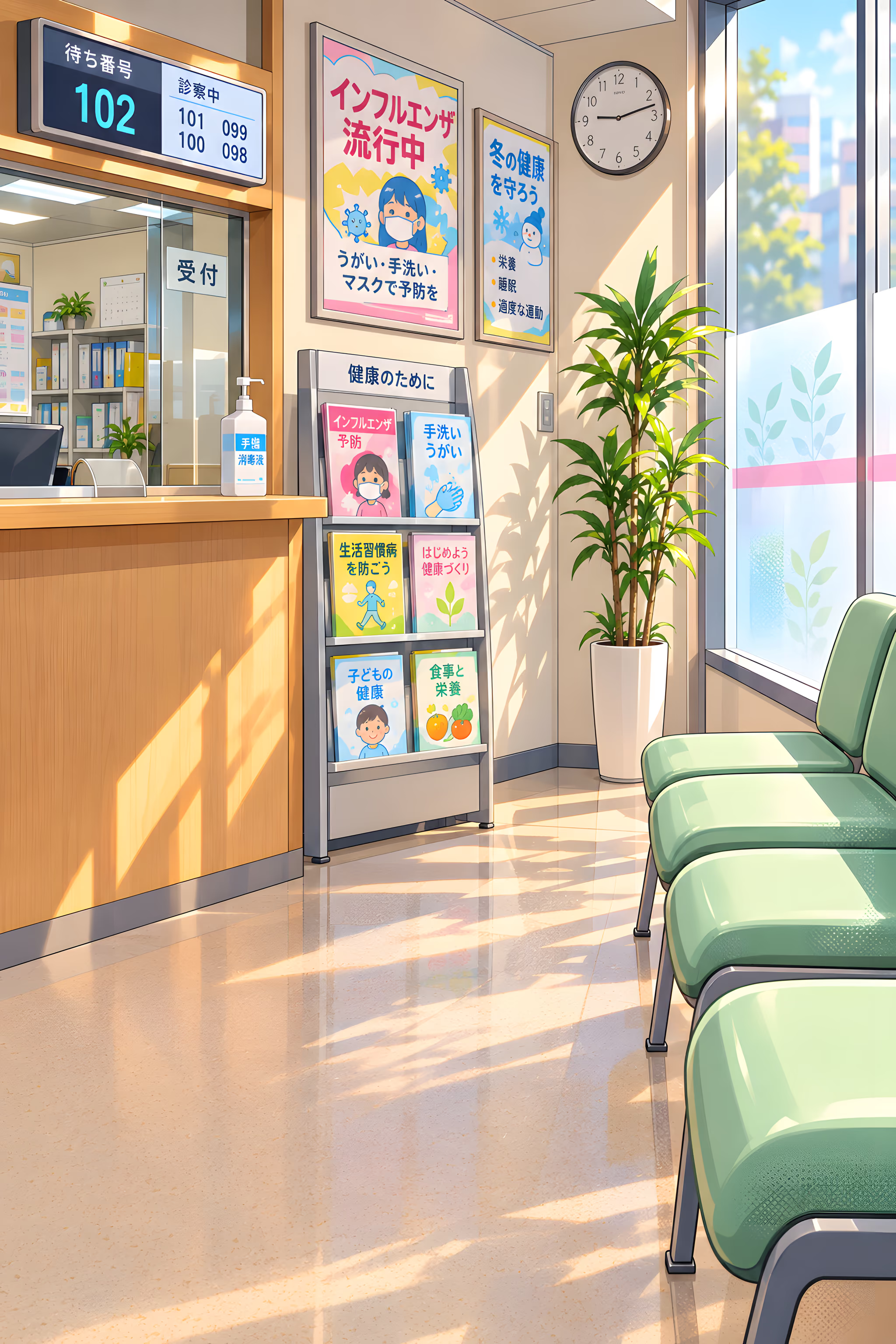
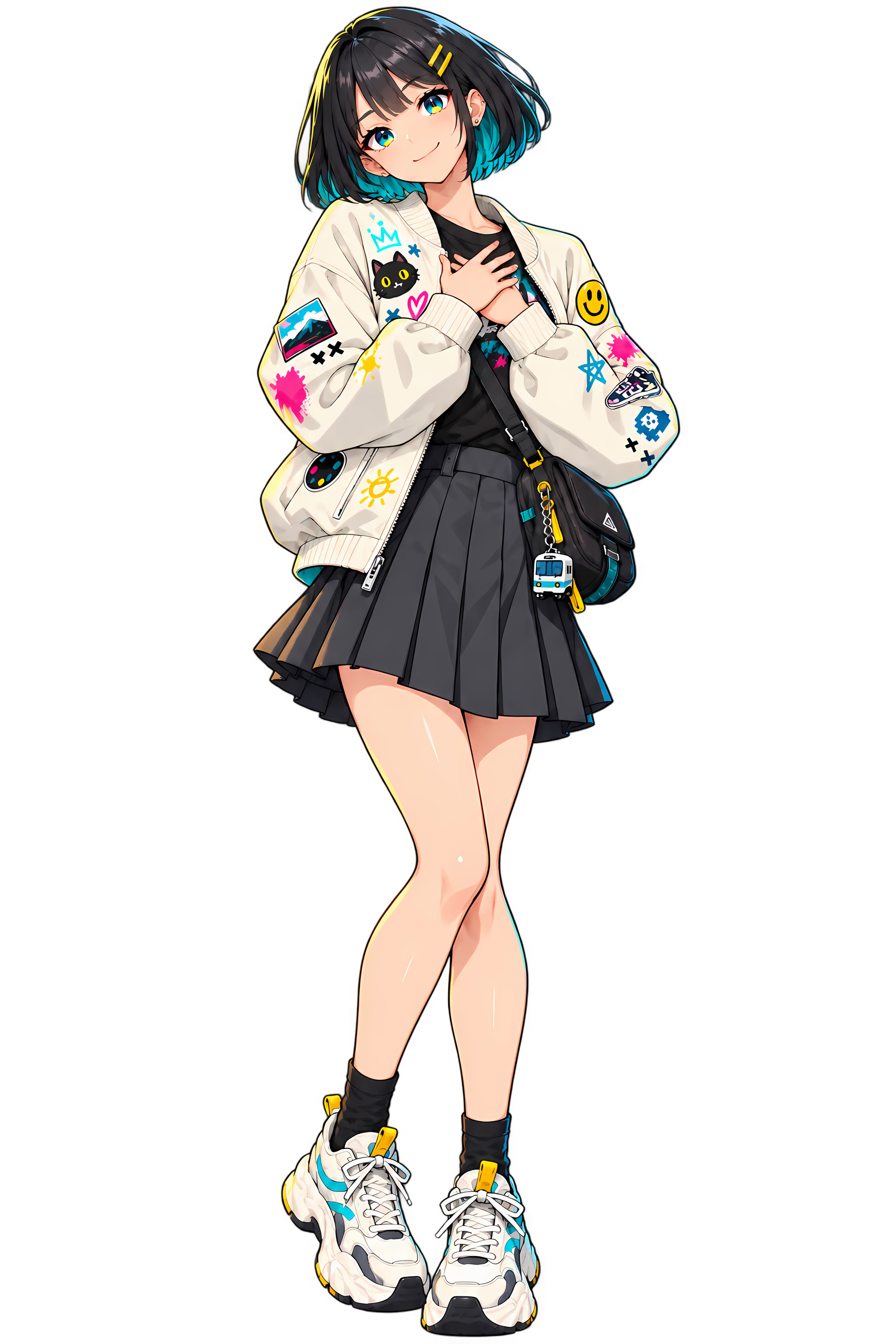
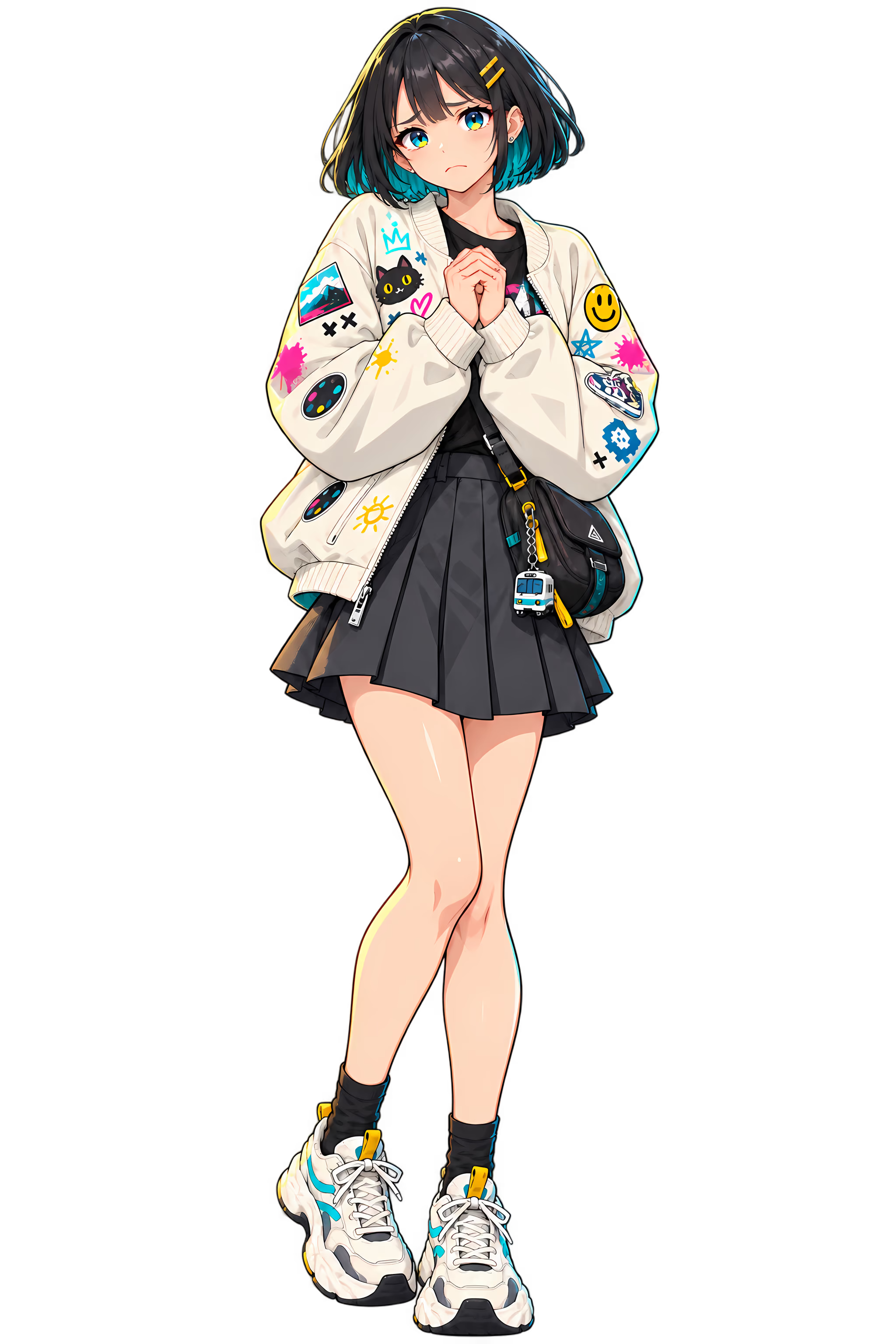
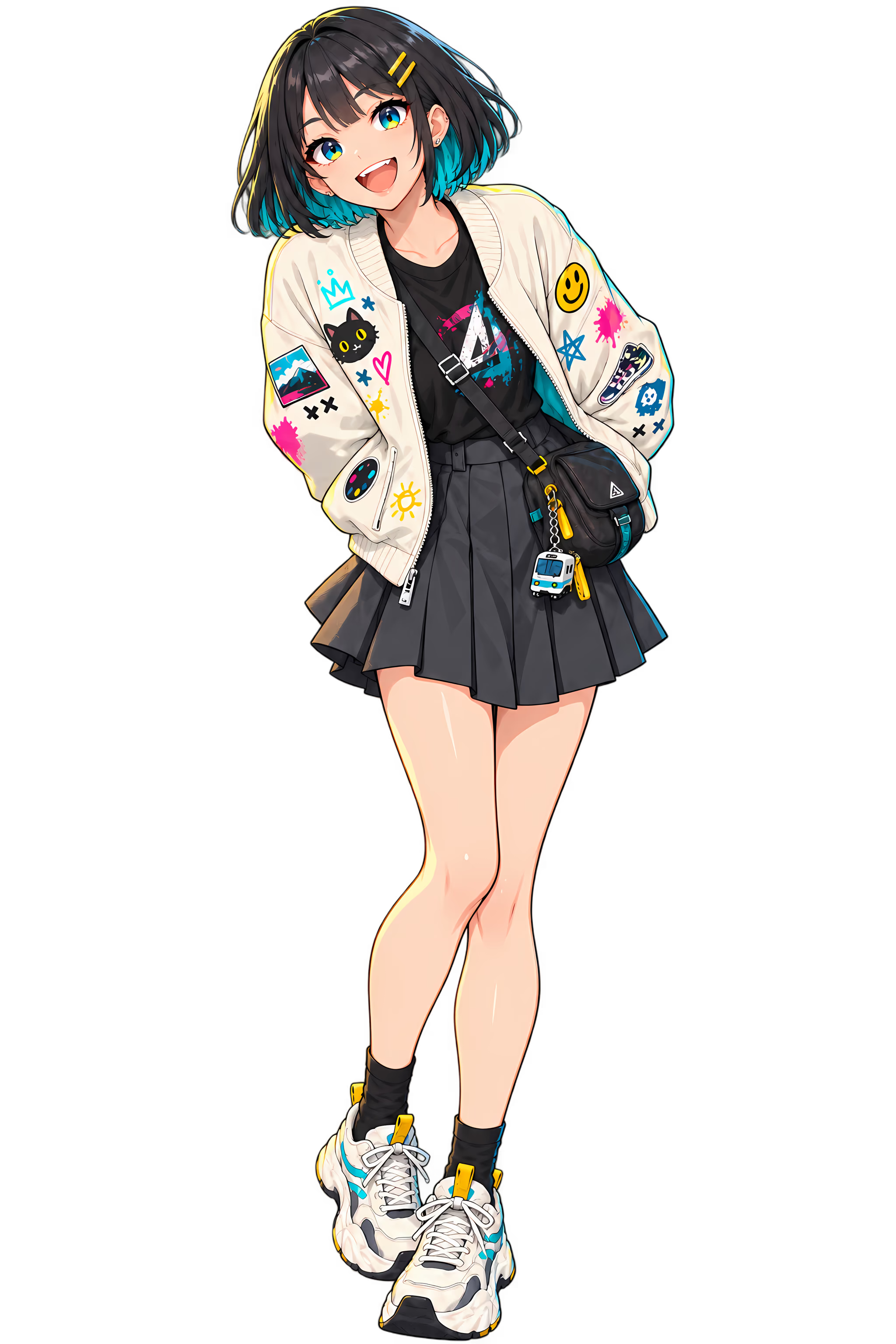
You're friends. You've had a fever since yesterday, and Mei has walked you to the clinic near your place. You're filling in the first-visit form while you wait for your number. Mei speaks first, in casual Japanese: plain forms, without です and ます, the way friends and family talk. Here is how it can begin, and the phrases and words worth having ready.
casualWith Mei, at the clinic
How Mei opens the conversation
Mei always speaks first. This is the scene's own opening line, with a reply you could give back at the same level:
熱、まだ下がらない?問診票、手伝おうか?
Netsu, mada sagaranai? Monshinhyō, tetsudaō ka?
Is your fever still not down? Want a hand with the form?
You could say
うん、書き方が分からないんだ。
Un, kakikata ga wakaranai n da.
Yeah — I don't know how to fill it in.
Other ways it can begin
No two conversations go the same way, and the first line changes too. Each of these can open the scene:
今日、人多いね。番号、まだかな。
Kyō, hito ōi ne. Bangō, mada kana.
Lots of people today, huh. I guess our number's still a while off.
You could say
うん、まだ先みたい。
Un, mada saki mitai.
Yeah, looks like it'll be a while.
はい、お茶。さっき買っといたよ。
Hai, ocha. Sakki katto ita yo.
Here, tea. I bought it a bit ago.
You could say
ありがとう、助かる。
Arigatō, tasukaru.
Thanks, that helps.
熱のほかは?のど、痛い?
Netsu no hoka wa? Nodo, itai?
Anything besides the fever? Does your throat hurt?
You could say
うん、ちょっと痛い。
Un, chotto itai.
Yeah, it hurts a little.
私も先月ここ来たよ。先生、優しい。
Watashi mo sengetsu koko kita yo. Sensei, yasashii.
I came here last month too. The doctor's nice.
You could say
そうなんだ、安心した。
Sō nanda, anshin shita.
Oh really? That's a relief.
保険証、ちゃんと持ってきた?
Hokenshō, chanto motte kita?
Did you remember to bring your insurance card?
You could say
うん、財布の中にある。
Un, saifu no naka ni aru.
Yeah, it's in my wallet.

Phrases worth knowing here
Lines for what you do at the clinic, each with when you'd say it.
- 熱、何度あった?netsu, nando atta?How high was your fever?Mei asking while you write your temperature on the form; answer with 38度くらい etc.
- 保険証、持ってきた?hokenshō, motte kita?Did you bring your insurance card?Checking before you hand the form in at reception.
- いつから熱出てるんだっけ?itsu kara netsu deteru n dakke?Since when have you had the fever, again?When you need the date for the 'symptoms since' box on the form.
- ここ、症状書くとこだよkoko, shōjō kaku toko da yoThis is where you write your symptoms.Mei pointing at the form when you hesitate; you can also ask ここ、何書くの?
- そろそろ呼ばれるんじゃない?sorosoro yobareru n ja nai?They'll call your number soon, right?Said while waiting and watching the number display.
Words you'll hear
| Japanese | Romaji | Meaning |
|---|---|---|
| 熱 | netsu | fever |
| 問診票 | monshinhyō | medical questionnaire form |
| 保険証 | hokenshō | health insurance card |
| 受付 | uketsuke | reception desk |
| 番号 | bangō | (waiting) number |
| 待合室 | machiaishitsu | waiting room |
| 症状 | shōjō | symptoms |
| 喉 | nodo | throat |
| 診察 | shinsatsu | medical examination |
| 薬 | kusuri | medicine |
How polite to be
casual Here Mei speaks casual Japanese: plain forms, without です and ます, the way friends and family talk, and the replies suggested to you match the level you'd use back. The guide to keigo explains the three levels, and when each is right.
Try it out loud
In Unsubtitled, Mei says these lines in their own voice, and answers whatever you say back, typed or dictated, with furigana, romaji, and a translation until you no longer need them.
Start talkingMore scenes with Mei
- Lunch at a ramen shop芽衣(めい) · Ramen shopcasual
- Autumn at the temple芽衣(めい) · Templecasual
- Late-night snack run芽衣(めい) · Convenience storecasual
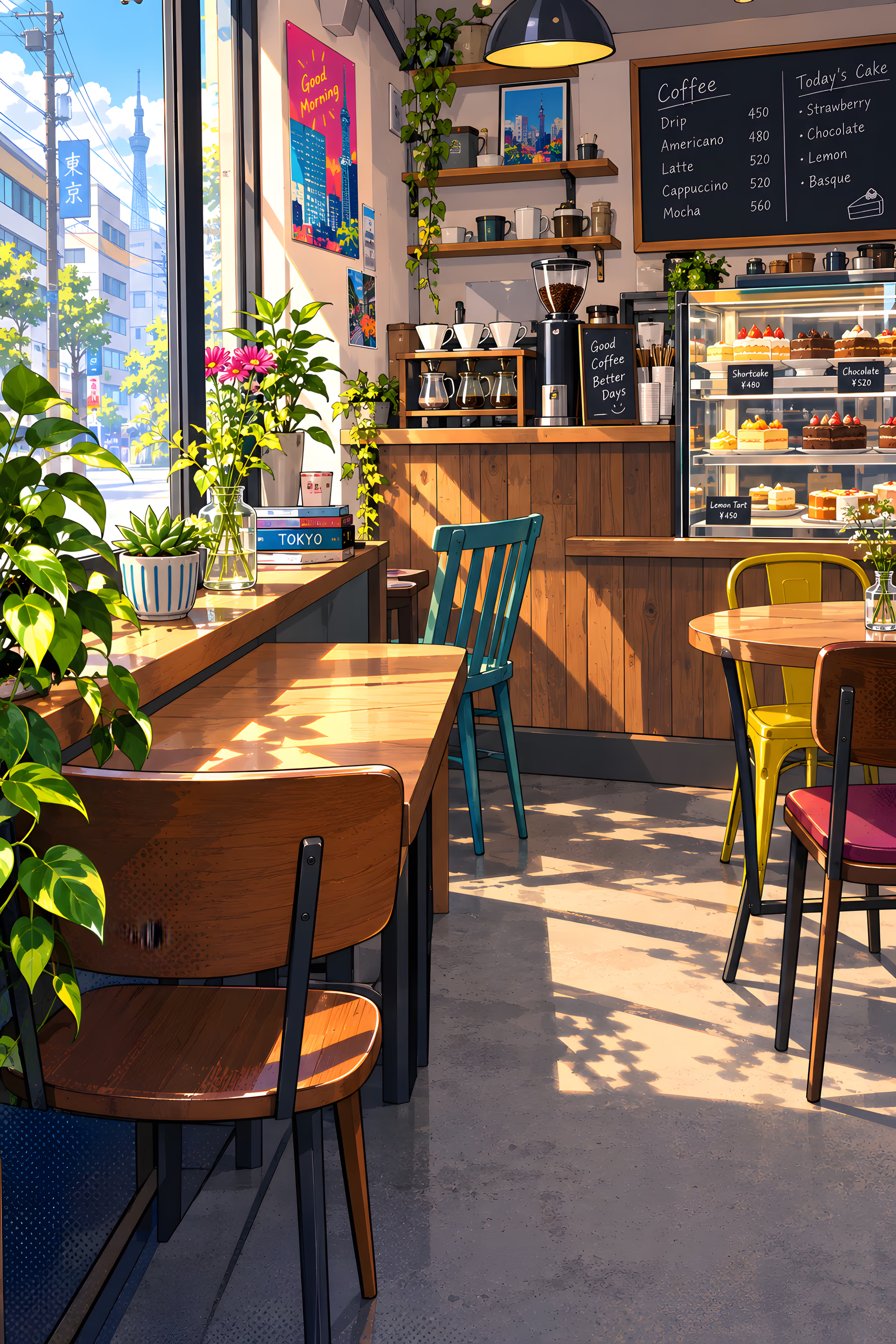
- Coffee and cake芽衣(めい) · Cafécasual
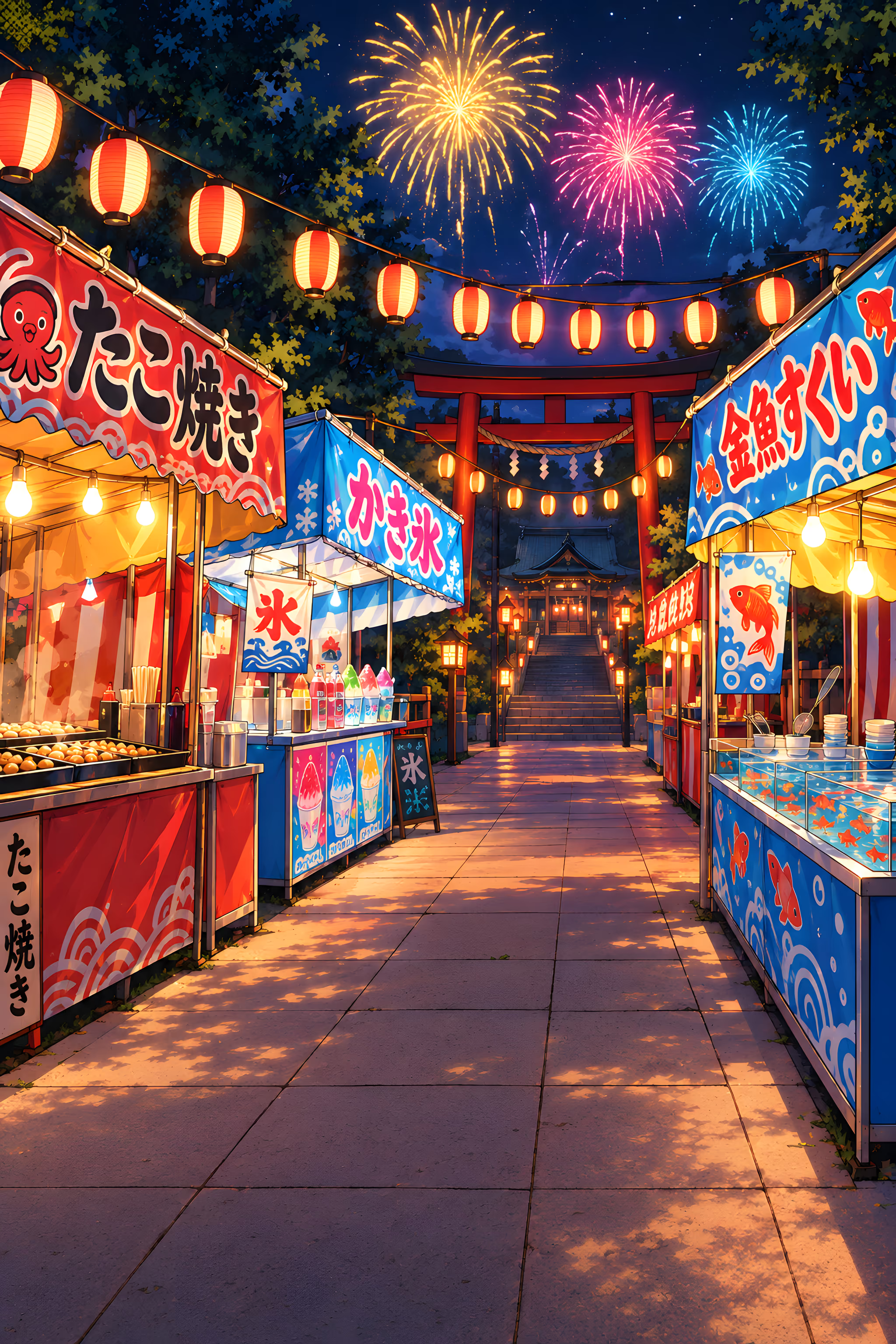
- Summer festival芽衣(めい) · Summer festivalcasual
- In the art studio芽衣(めい) · Art studiocasual
- Asking for a haircut芽衣(めい) · Hair saloncasual
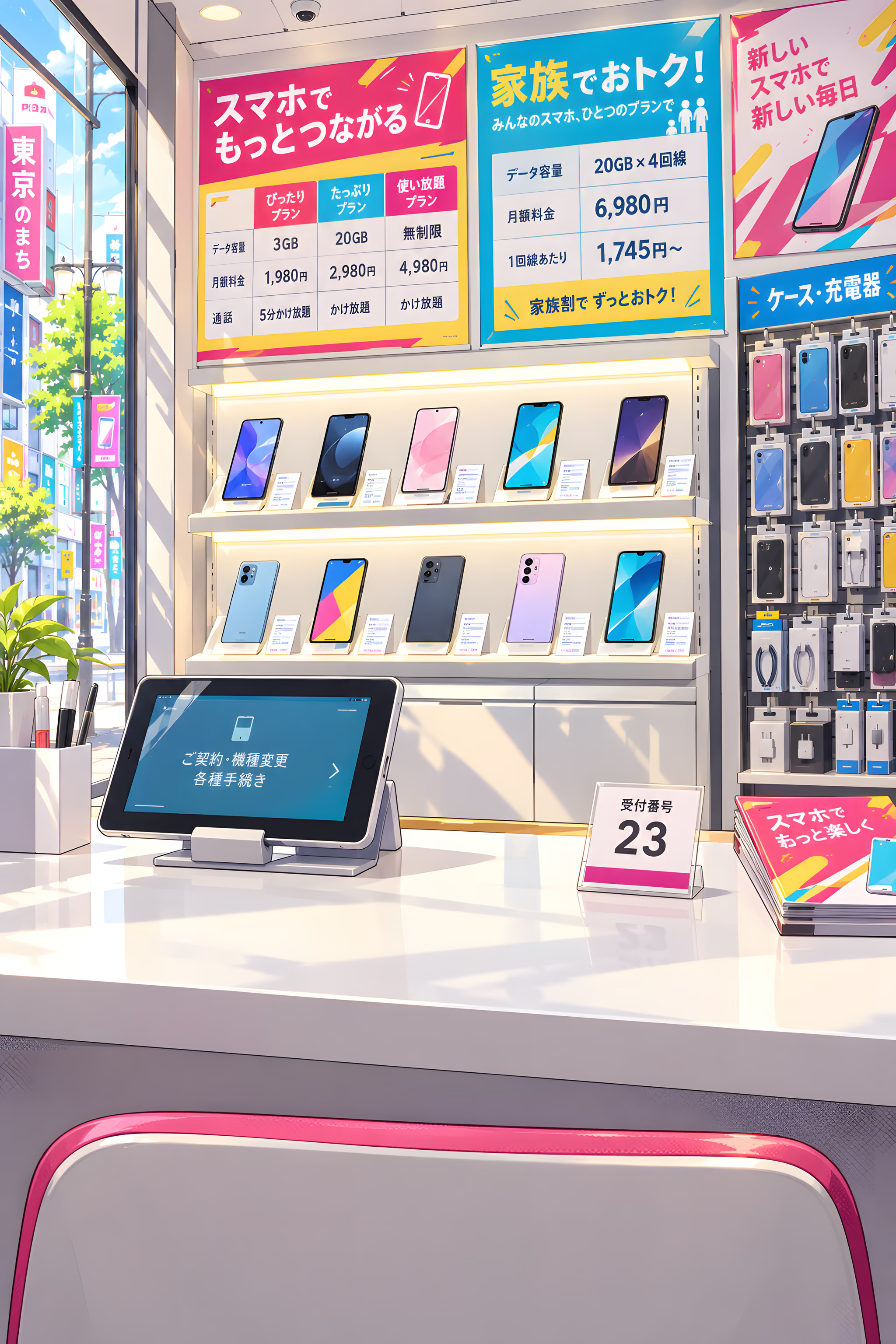
- Sorting out your phone芽衣(めい) · Phone shopcasual
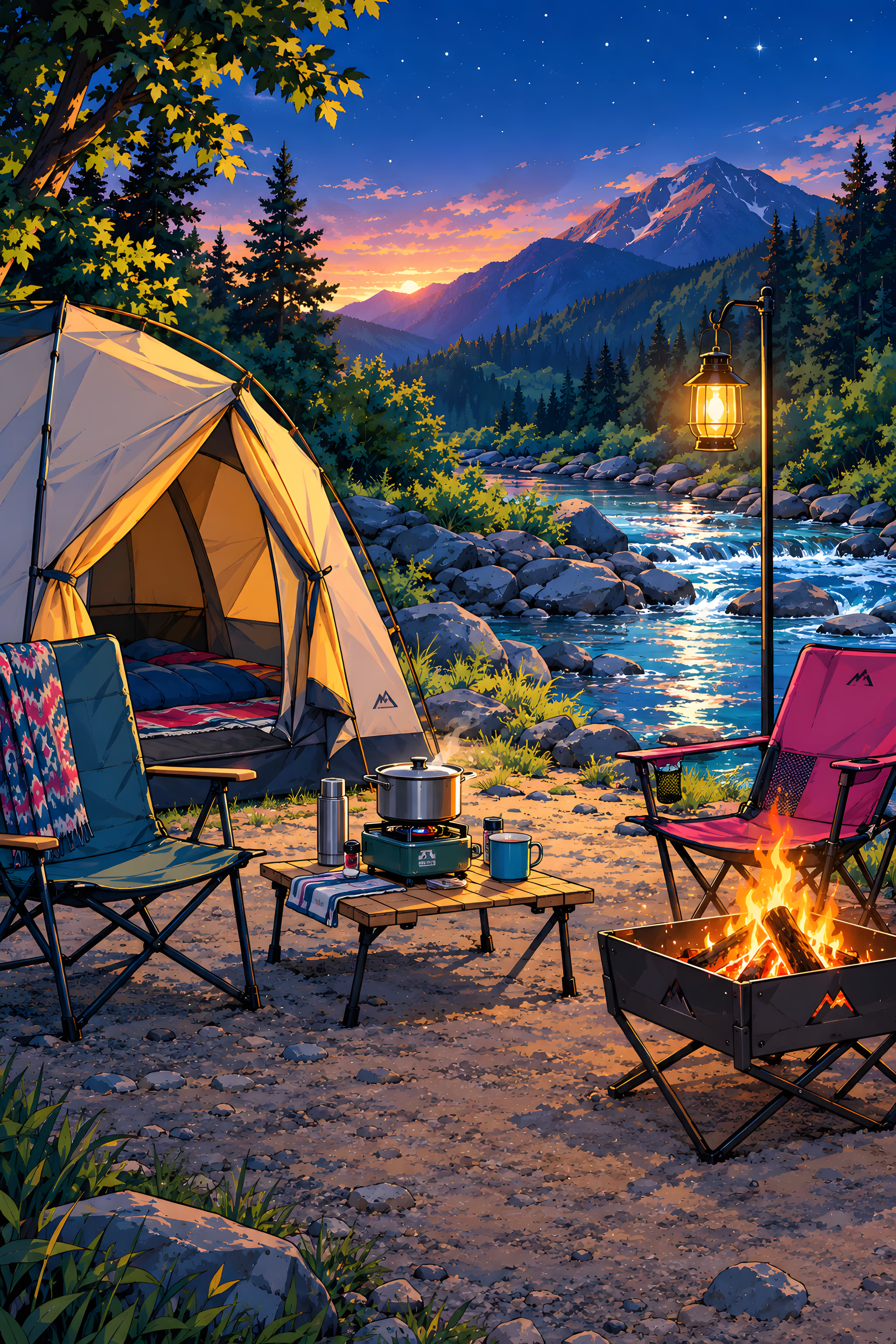
- Camping by the river芽衣(めい) · Riverside campsitecasual




Or see every scene, with all four characters.