At the top of the mountain
Japanese for hiking: at the top of the mountain
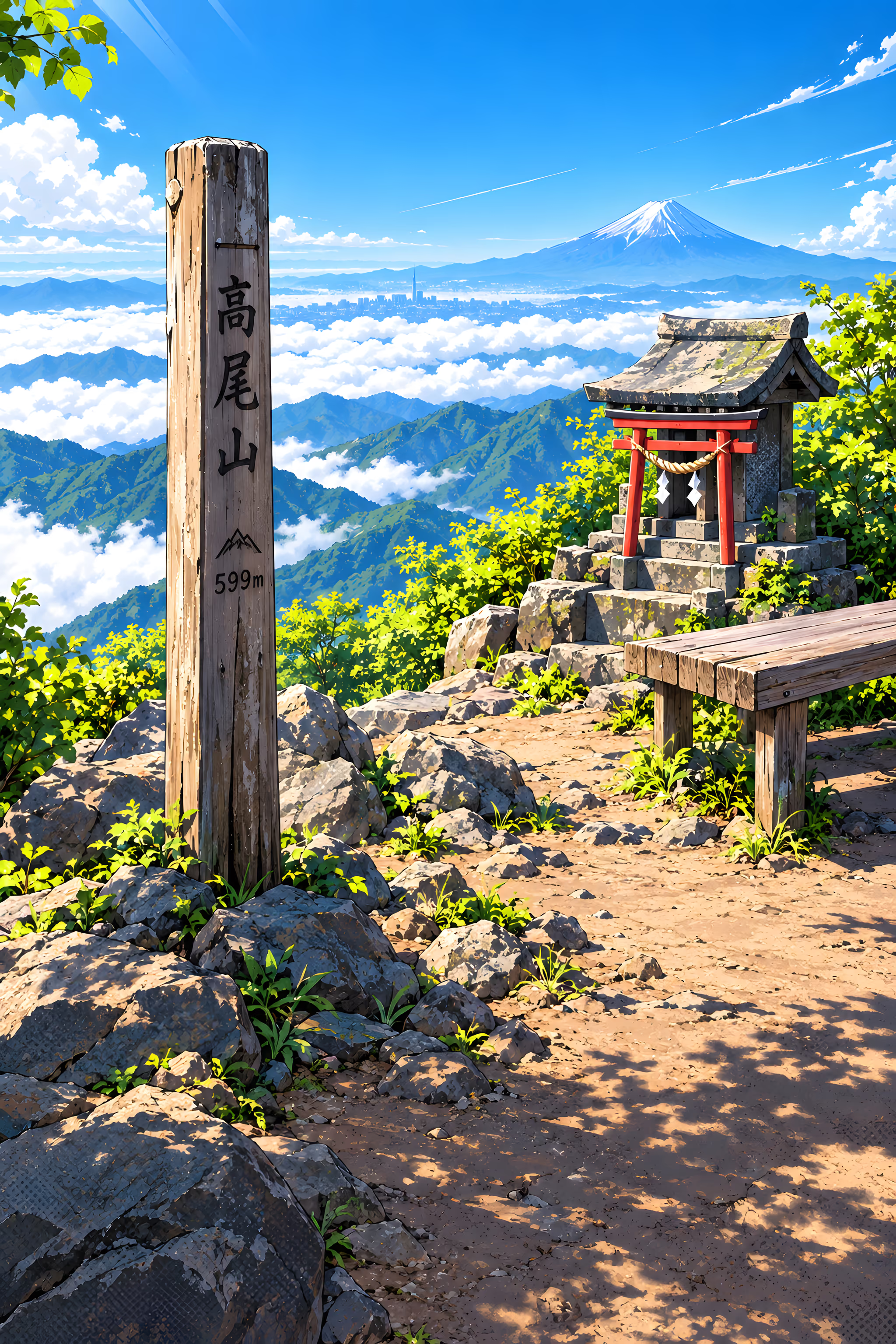
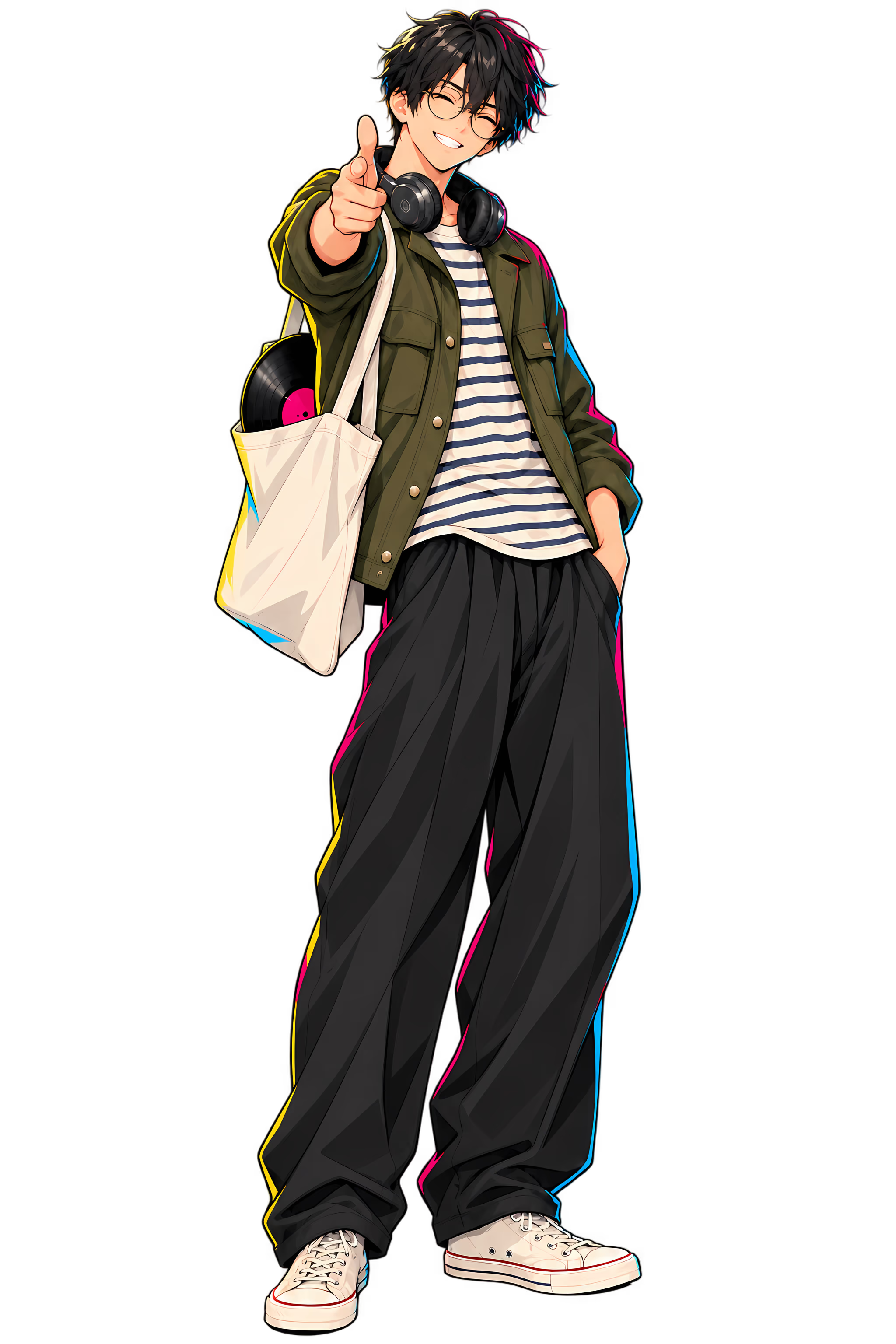
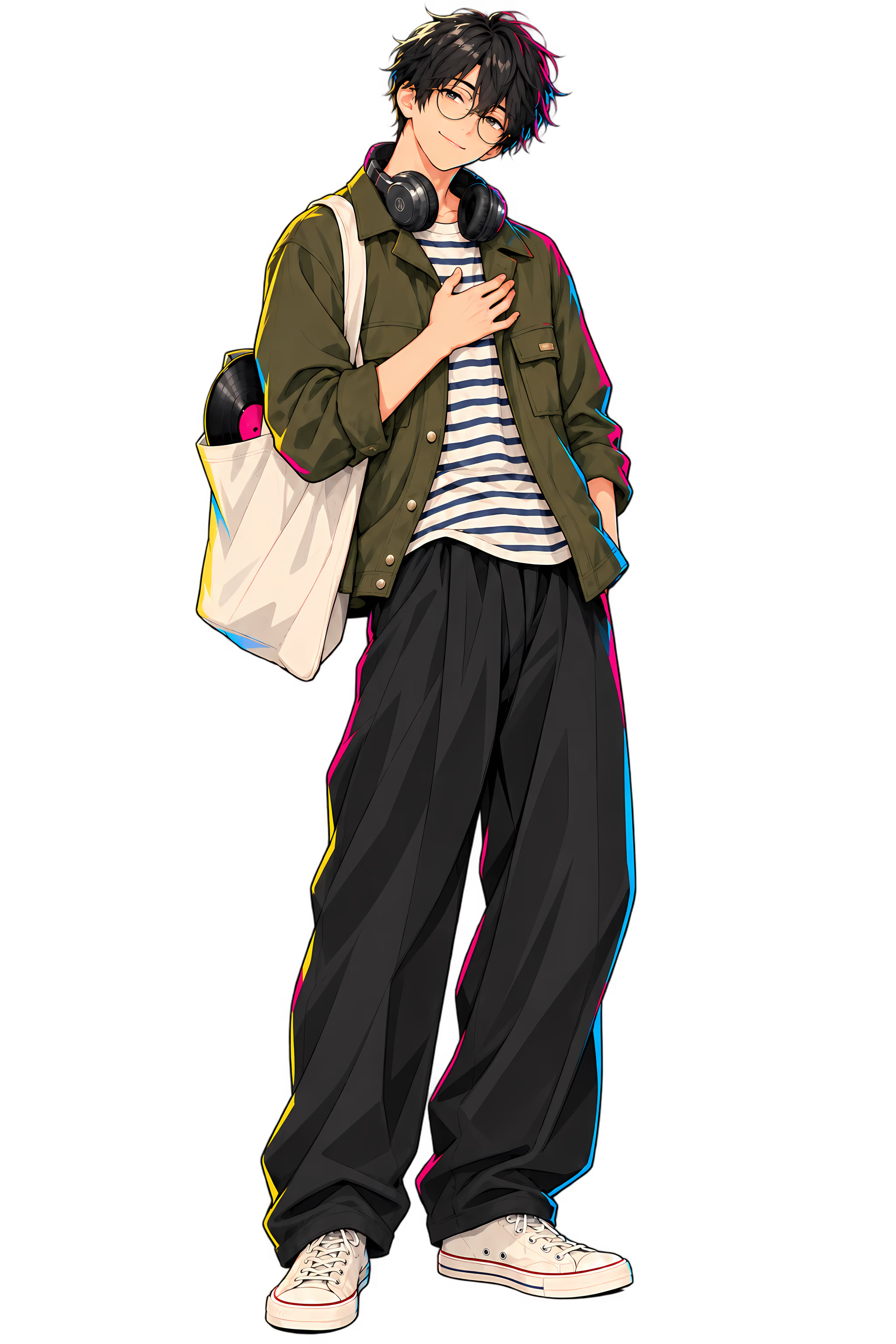
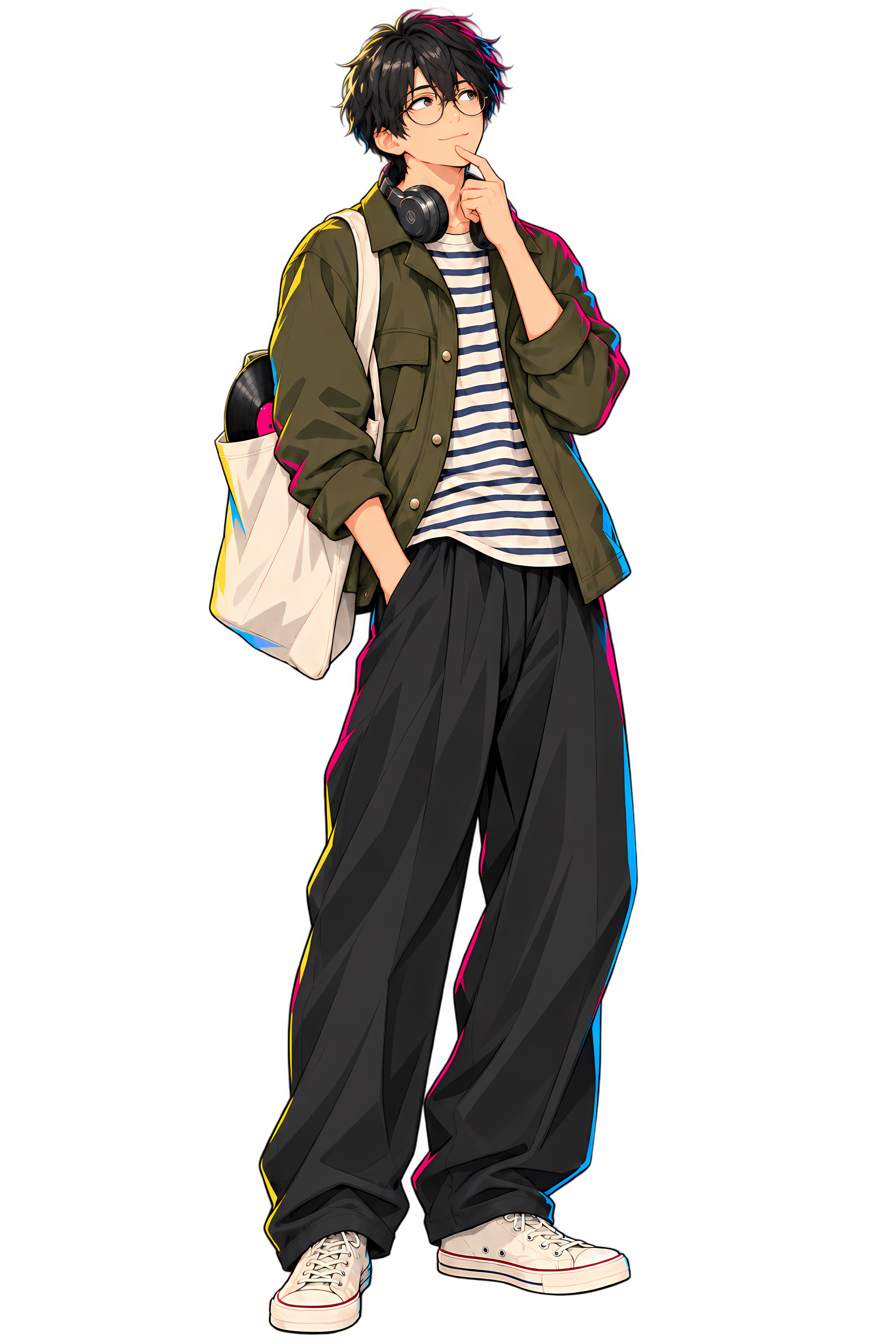
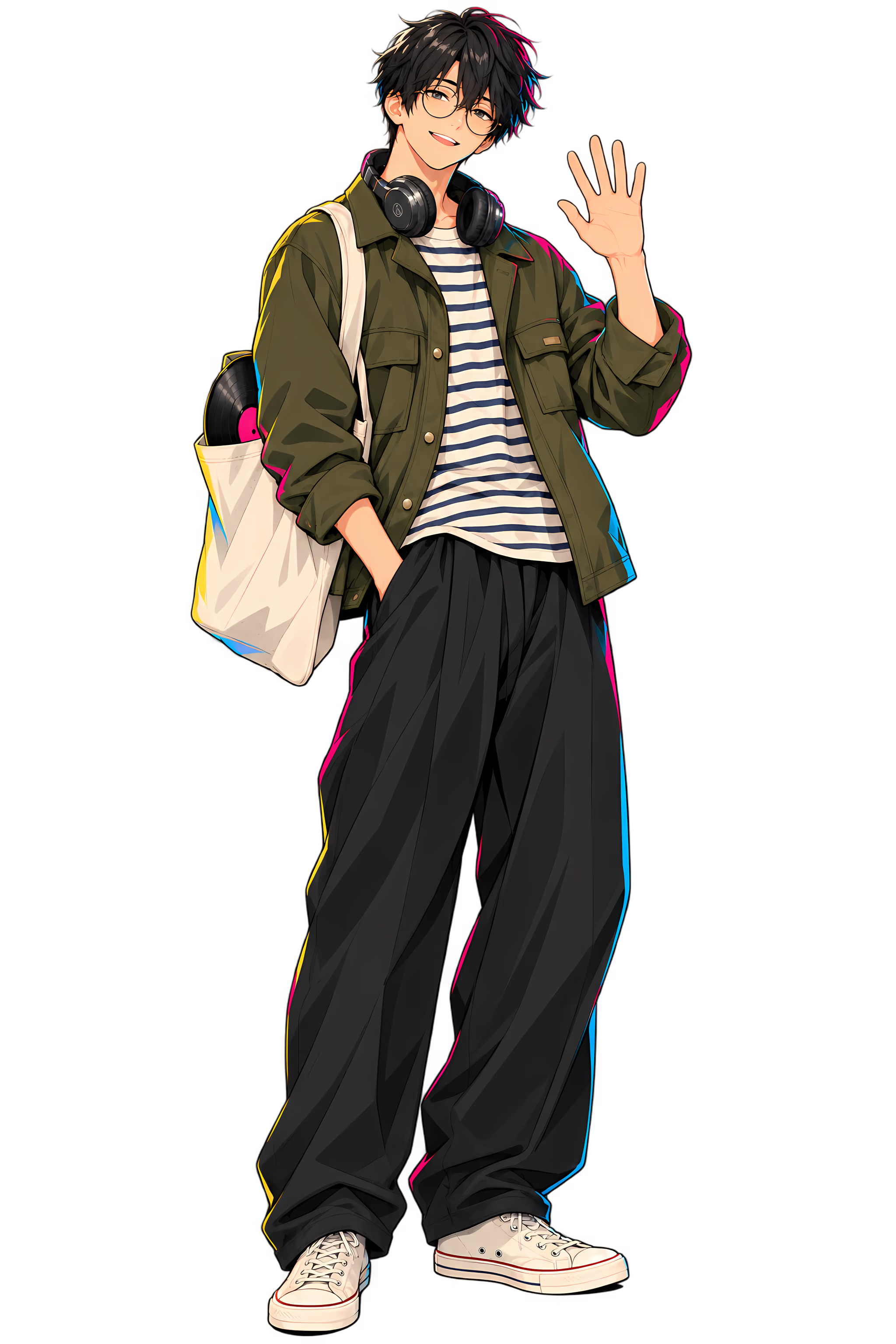
You're friends, on a day hike in the mountains outside Tokyo, and you've just made it to the top together. Ren speaks first, in casual Japanese: plain forms, without です and ます, the way friends and family talk. Here is how it can begin, and the phrases and words worth having ready.
casualWith Ren, at the mountain summit
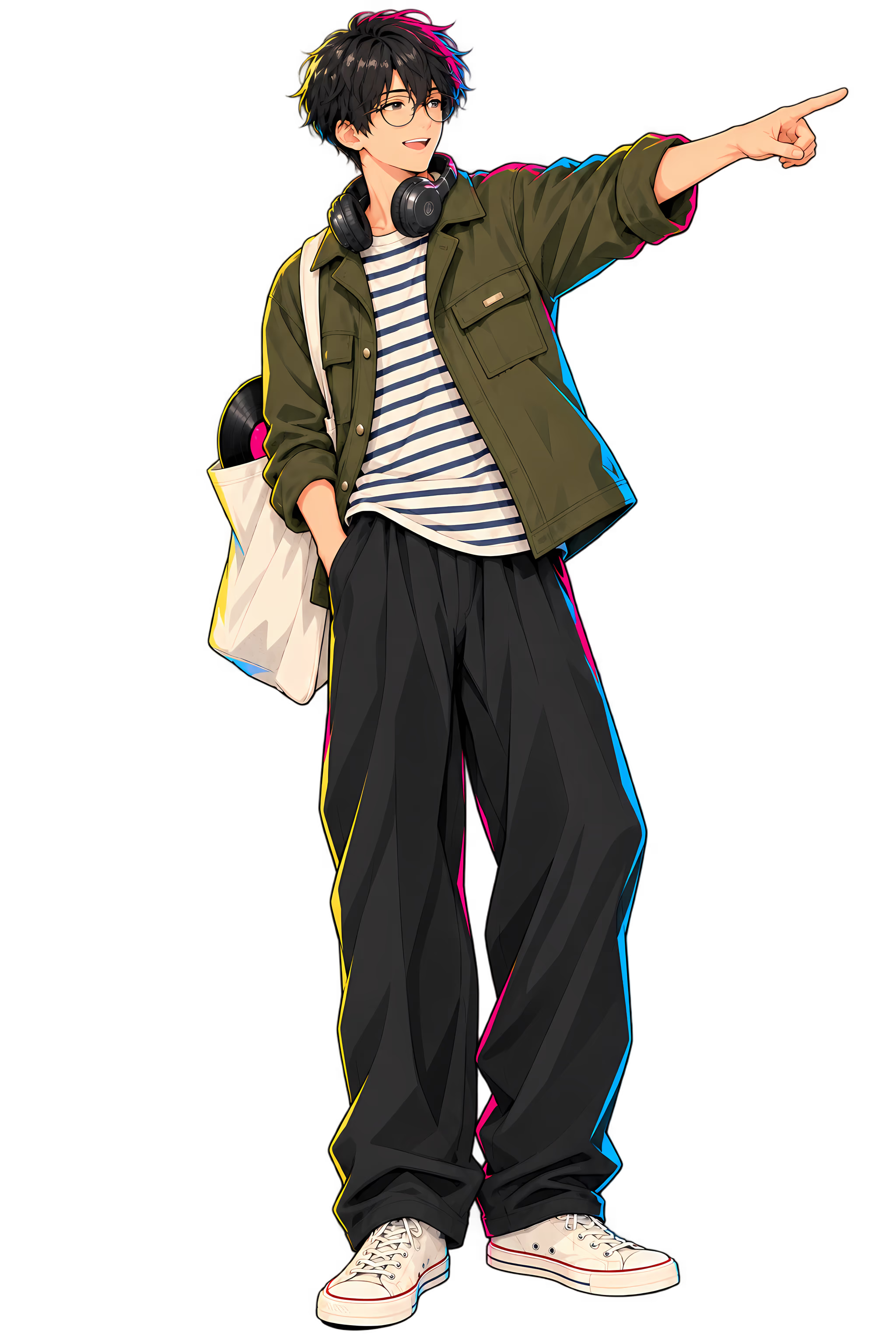
How Ren opens the conversation
Ren always speaks first. This is the scene's own opening line, with a reply you could give back at the same level:
やっと着いたね。見て、あっちに富士山が見えるよ。
Yatto tsuita ne. Mite, acchi ni Fujisan ga mieru yo.
We finally made it. Look, you can see Mount Fuji over there.
You could say
わあ、きれい!ここでお昼にしようか。
Wā, kirei! Koko de ohiru ni shiyō ka.
Wow, it's beautiful! Shall we have lunch up here?
Other ways it can begin
No two conversations go the same way, and the first line changes too. Each of these can open the scene:
風、気持ちいいね。ちょっと寒いくらいだ。
Kaze, kimochii ne. Chotto samui kurai da.
The wind feels great. Almost a little cold, even.
You could say
うん、汗がすぐ引くね。
Un, ase ga sugu hiku ne.
Yeah, the sweat dries right up.
あの岩に座ろうよ。ちょうどいい高さだ。
Ano iwa ni suwarō yo. Chōdo ii takasa da.
Let's sit on that rock. It's just the right height.
You could say
いいね、座ろう。
Ii ne, suwarō.
Good idea, let's sit.
チョコ持ってきたんだ。一個どう?
Choko motte kita n da. Ikko dō?
I brought chocolate. Want one?
You could say
ありがとう、もらうよ。
Arigatō, morau yo.
Thanks, I'll take one.
足、大丈夫?最後の坂きつかったね。
Ashi, daijōbu? Saigo no saka kitsukatta ne.
How are your legs? That last slope was rough, huh.
You could say
ちょっと痛いけど平気。
Chotto itai kedo heiki.
They hurt a bit, but I'm fine.
実はこの山、十年ぶりなんだ。
Jitsu wa kono yama, jūnen-buri na n da.
Actually, it's been ten years since I've been up this mountain.
You could say
そうなんだ。変わってる?
Sō na n da. Kawatteru?
Really? Has it changed?
Phrases worth knowing here
Lines for what you do at the mountain summit, each with when you'd say it.
- やっと着いたねYatto tsuita neWe finally made it, huh.Say it the moment you step onto the summit, catching your breath.
- 眺め、最高だなNagame, saikō da naThe view is amazing.Use when you first turn around and take in the scenery.
- あそこ、富士山じゃない?Asoko, Fujisan ja nai?Isn't that Mt. Fuji over there?Point at something far off and check with Ren.
- ちょっと休もうかChotto yasumō kaShall we rest a bit?Suggest sitting down before heading back down.
- 上、風が気持ちいいUe, kaze ga kimochi iiThe breeze up here feels great.A relaxed comment while standing at the top, sweaty from the climb.
Words you'll hear
| Japanese | Romaji | Meaning |
|---|---|---|
| 頂上 | chōjō | summit, mountain top |
| 景色 | keshiki | scenery, view |
| 空気 | kūki | air |
| 風 | kaze | wind |
| 疲れた | tsukareta | (I'm) tired |
| 休む | yasumu | to rest |
| おにぎり | onigiri | rice ball |
| 写真 | shashin | photo |
| 富士山 | Fujisan | Mt. Fuji |
| 下り | kudari | the way down, descent |
How polite to be
casual Here Ren speaks casual Japanese: plain forms, without です and ます, the way friends and family talk, and the replies suggested to you match the level you'd use back. The guide to keigo explains the three levels, and when each is right.
Try it out loud
In Unsubtitled, Ren says these lines in their own voice, and answers whatever you say back, typed or dictated, with furigana, romaji, and a translation until you no longer need them.
Start talkingMore scenes with Ren
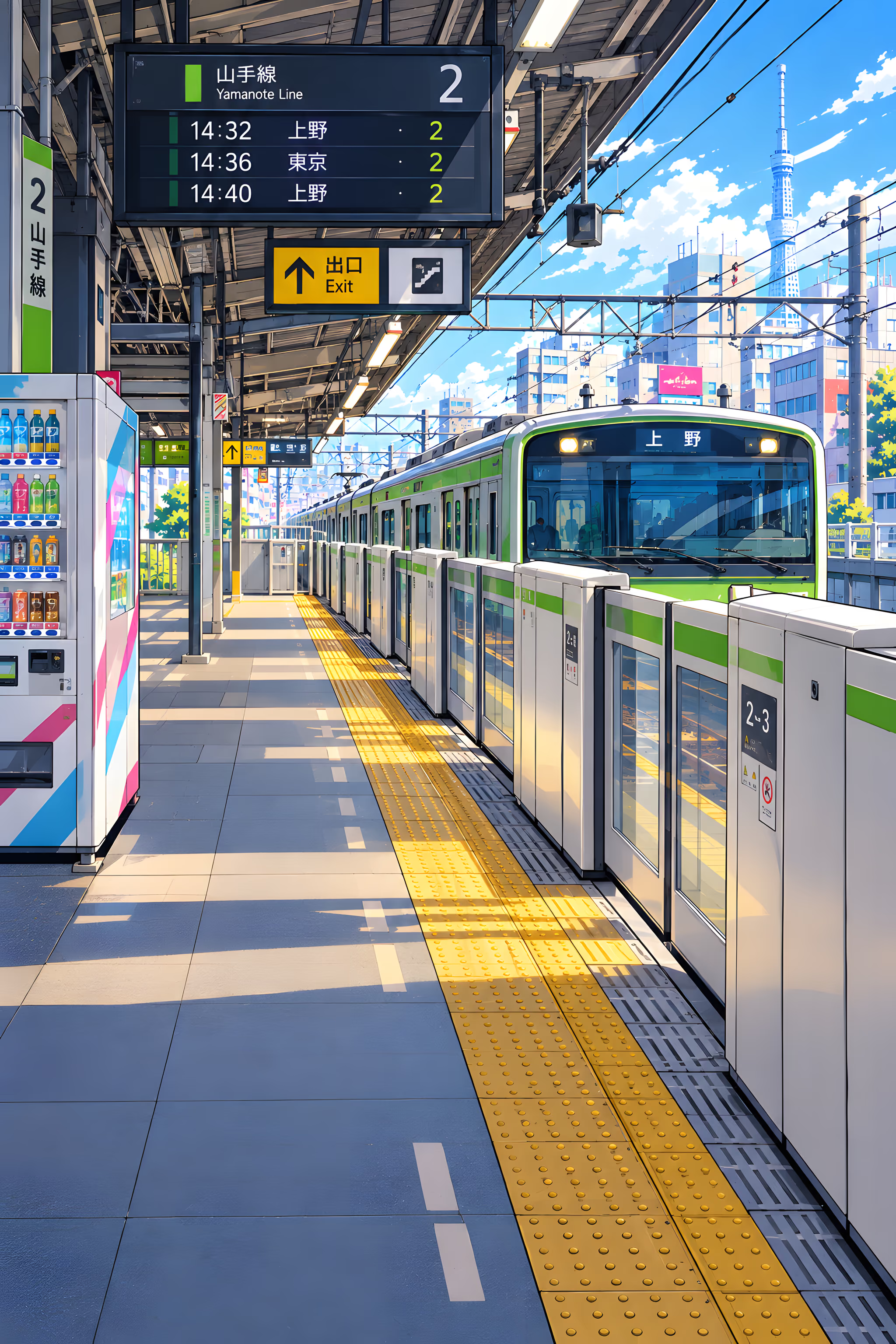
- Asking the way蓮(れん) · Train stationpolite
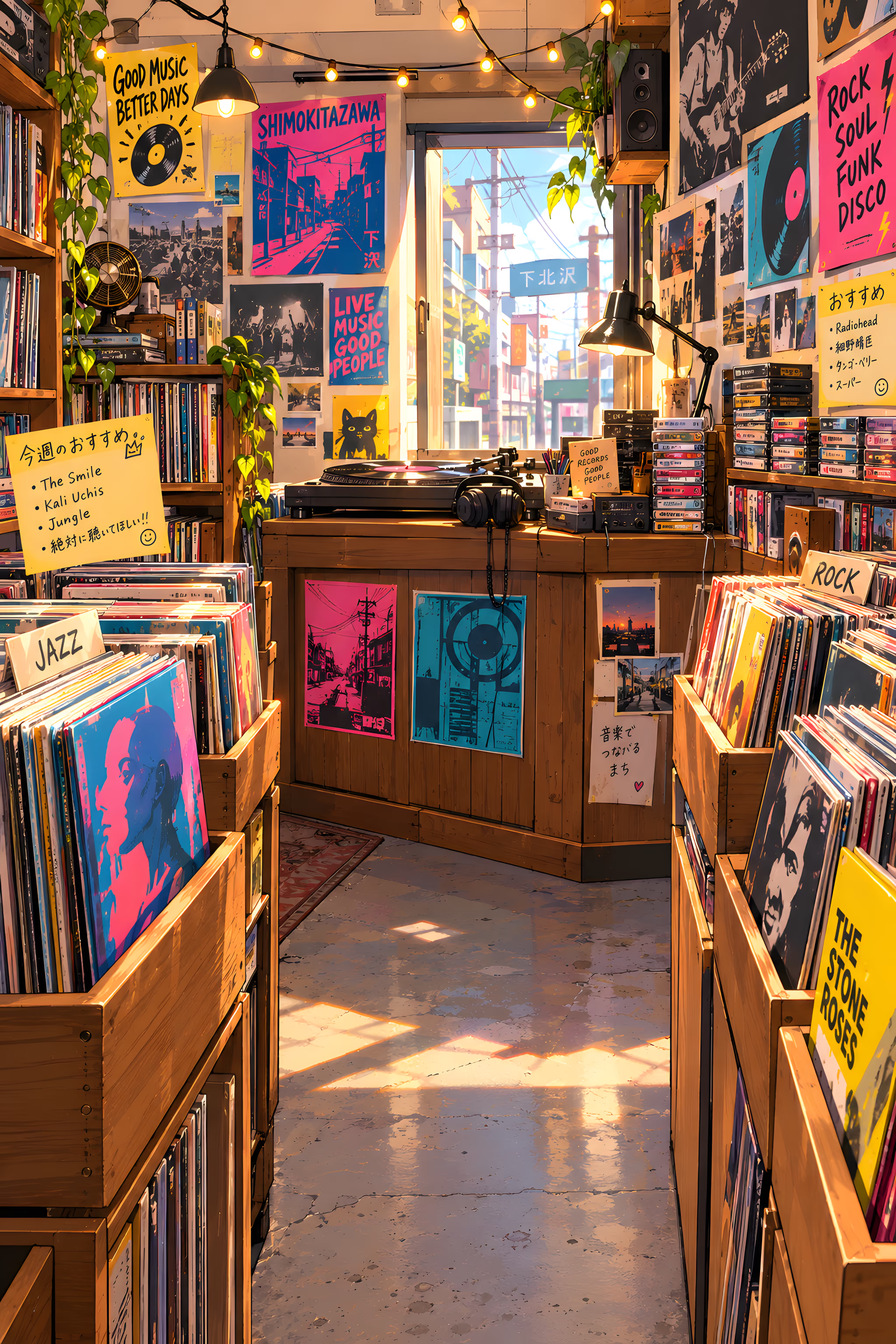
- At the record shop蓮(れん) · Record shopformal
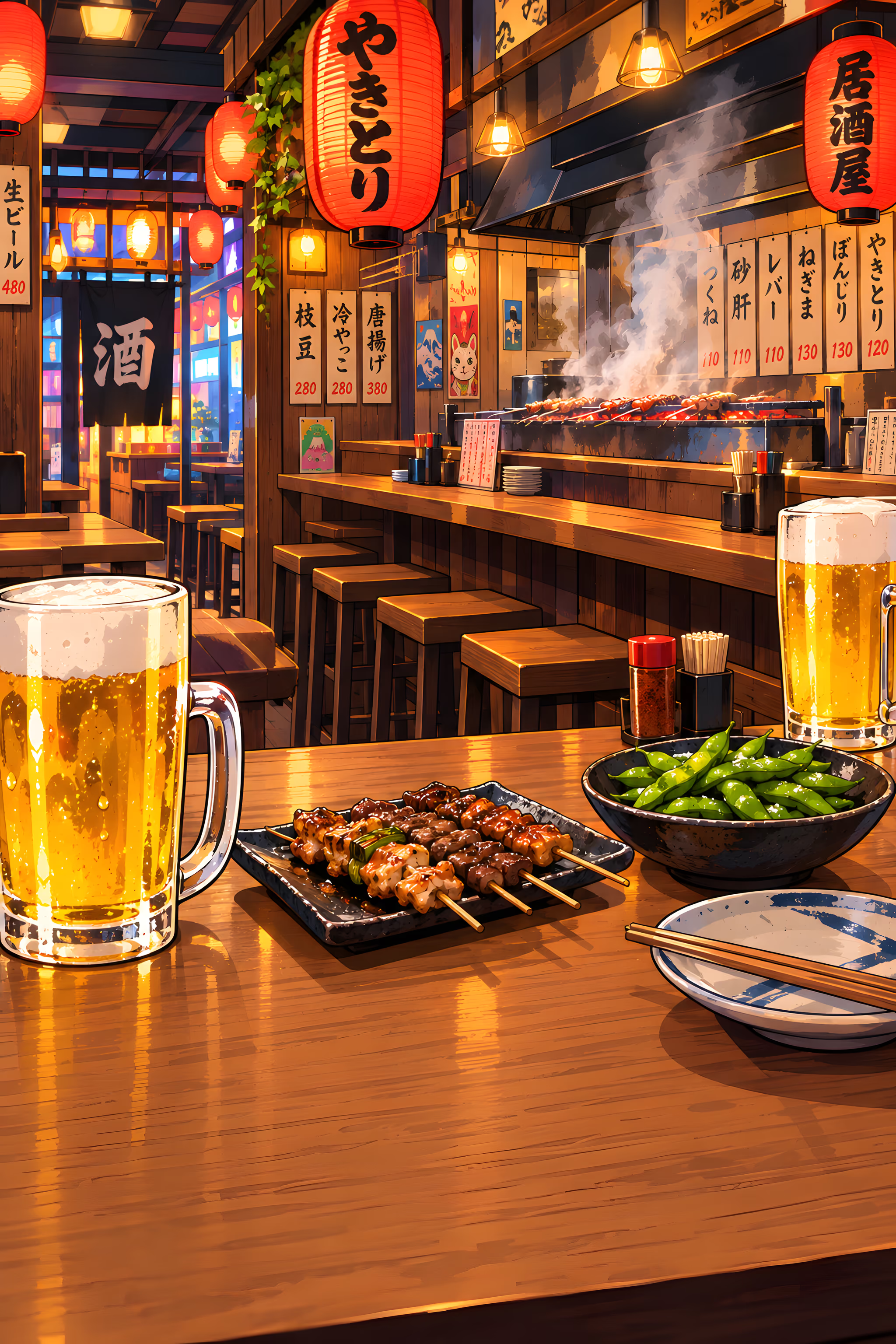
- Drinks after work蓮(れん) · Izakayacasual
- A night at the arcade蓮(れん) · Game centercasual
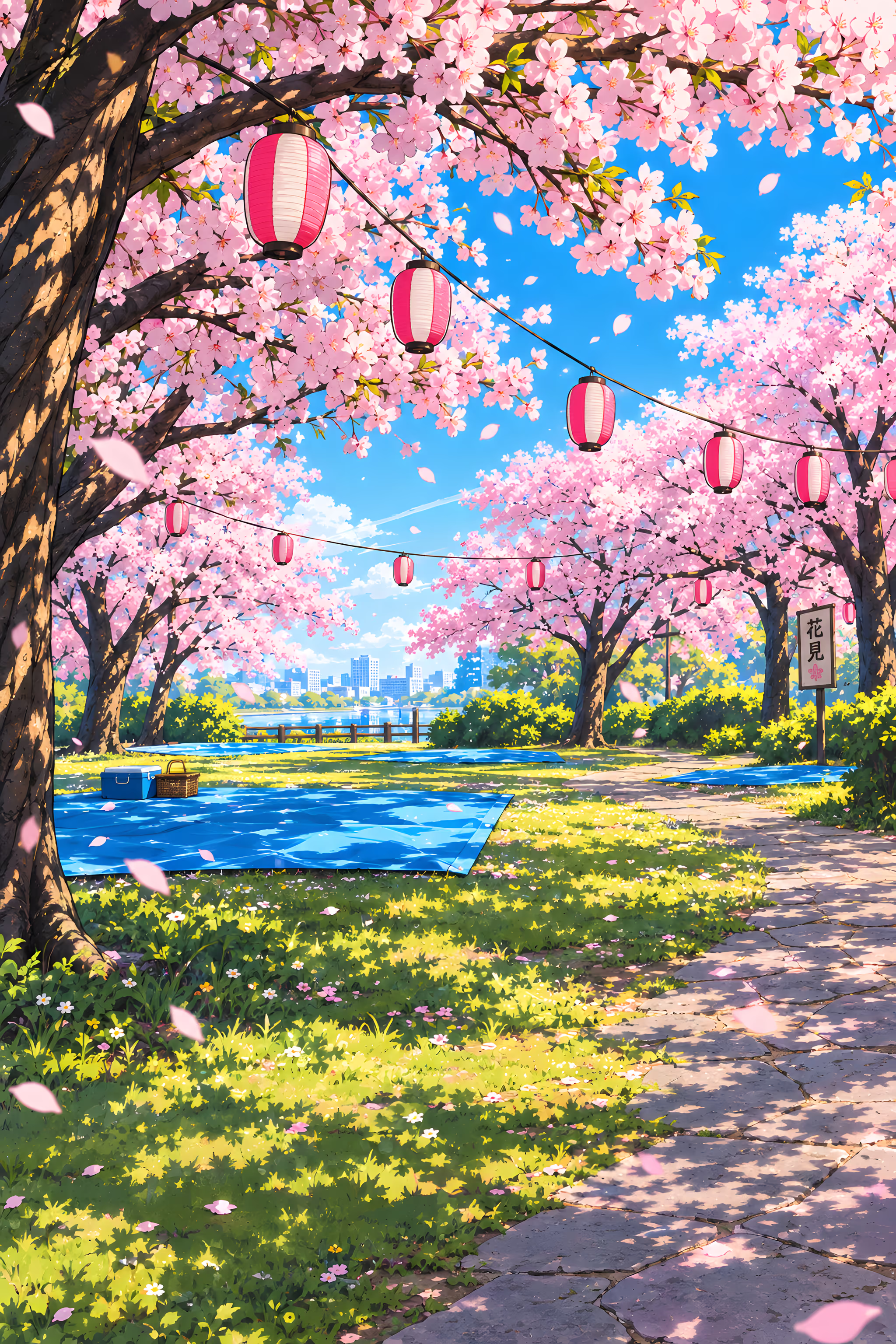
- Cherry blossoms in the park蓮(れん) · Parkcasual
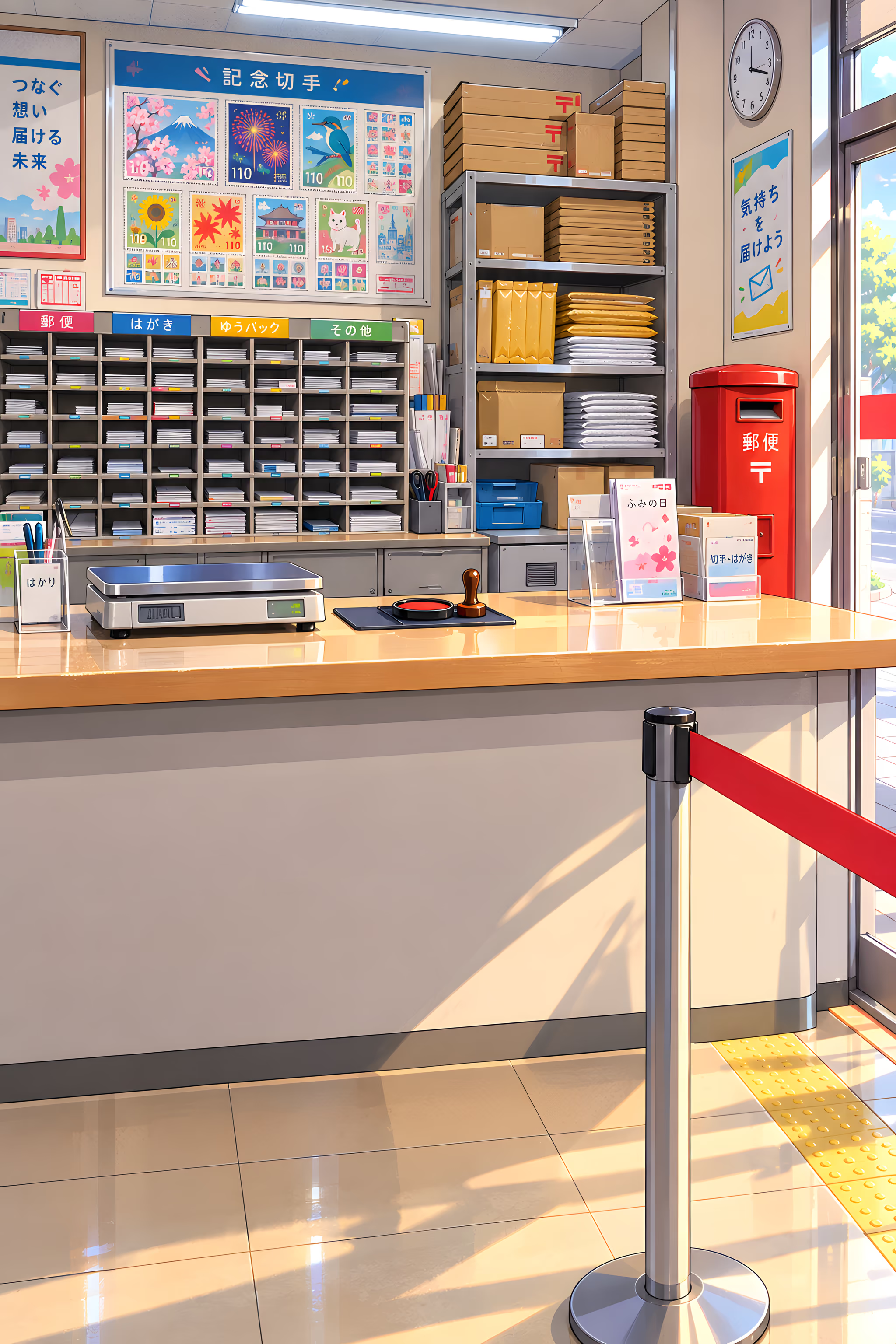
- Sending a parcel home蓮(れん) · Post officecasual
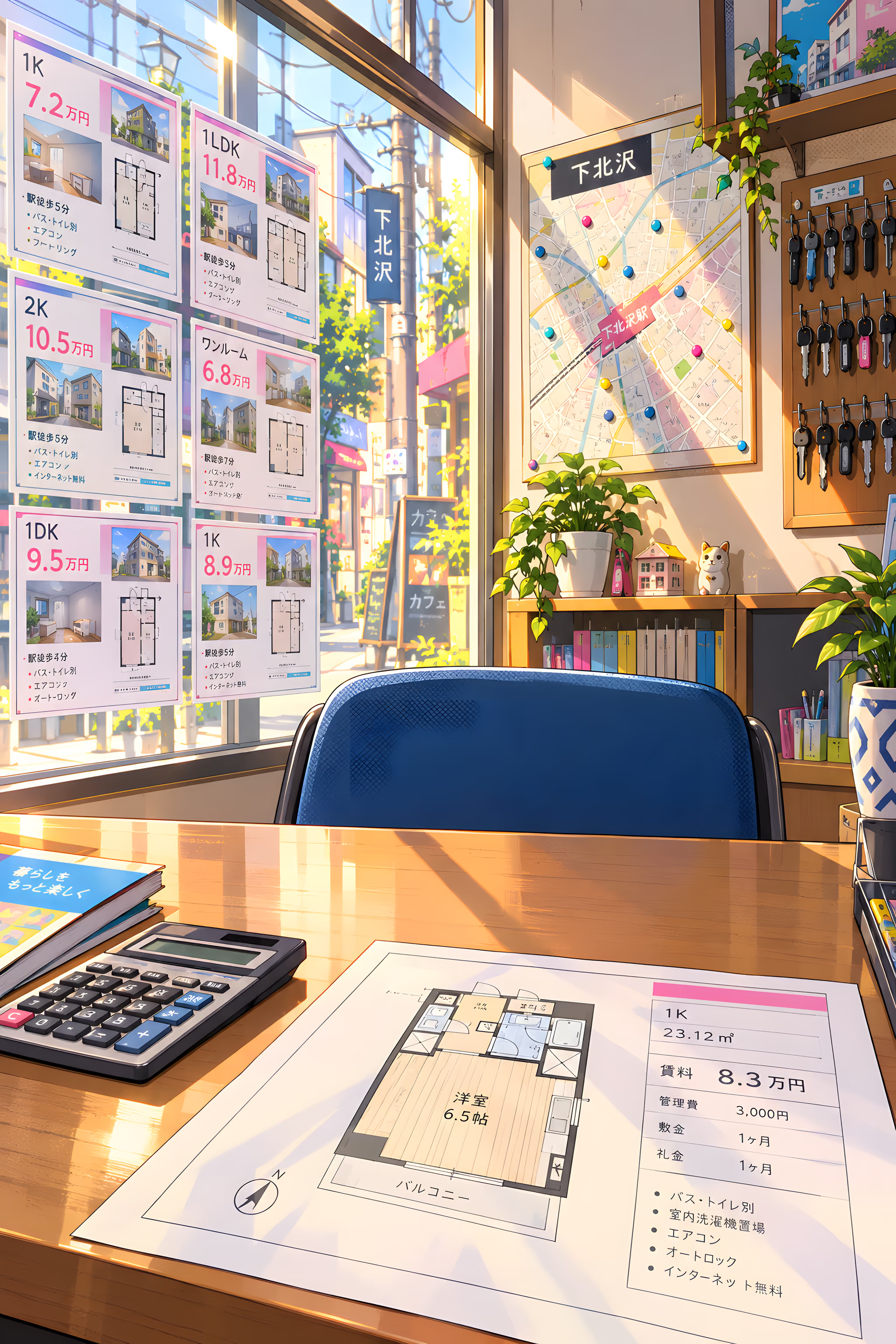
- Looking for a place to live蓮(れん) · Real estate agencycasual
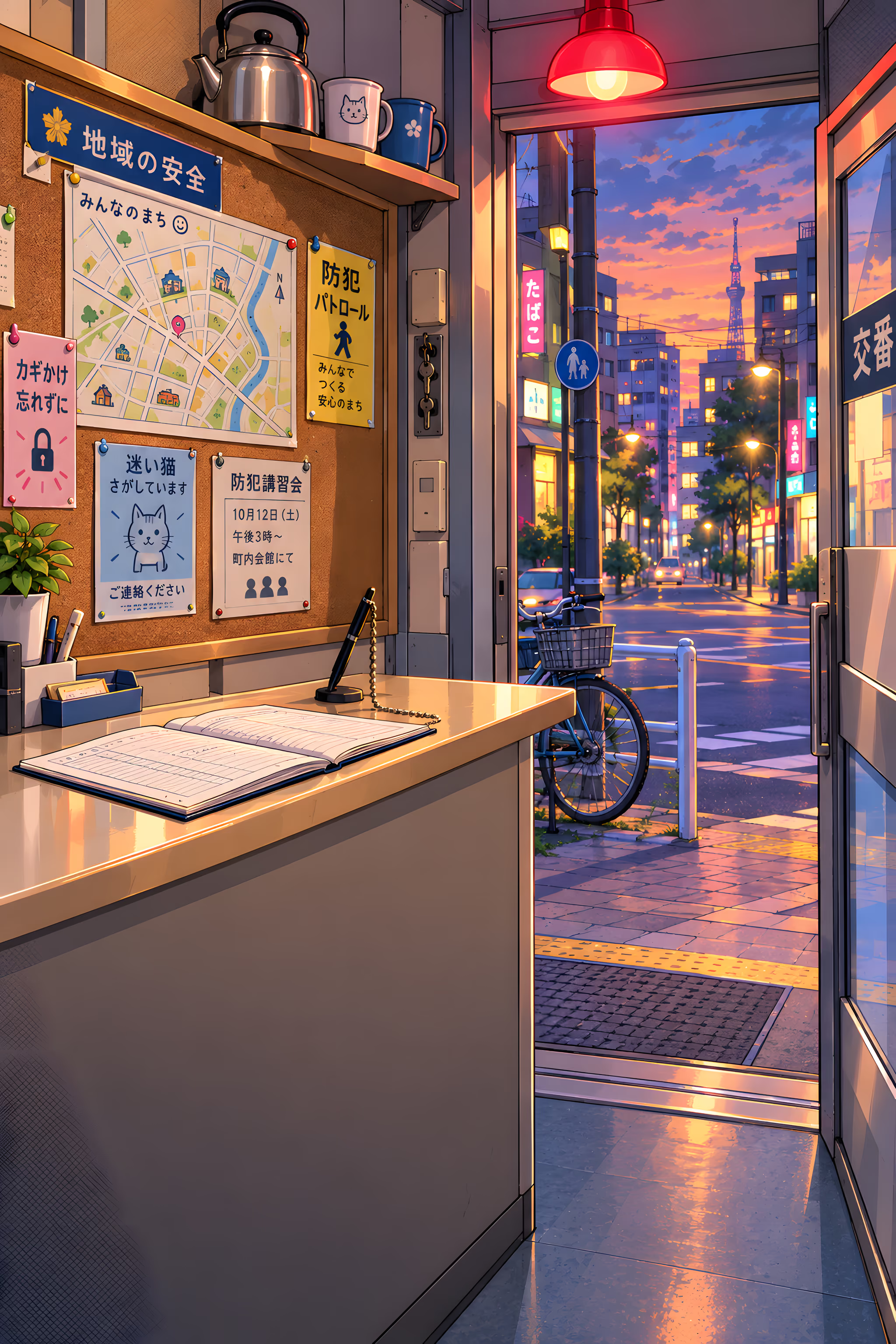
- Something left on the train蓮(れん) · Police boxcasual
- Choosing new glasses蓮(れん) · Glasses shopcasual


Or see every scene, with all four characters.