Asking the way
Asking for directions in Japanese at a train station
You've never met. You look a little lost on the platform, and Ren, waiting for his own train, stops to help. Ren speaks first, in polite Japanese: です and ます, the way people talk with strangers, neighbors, and coworkers. Here is how it can begin, and the phrases and words worth having ready.
politeWith Ren, at the train station
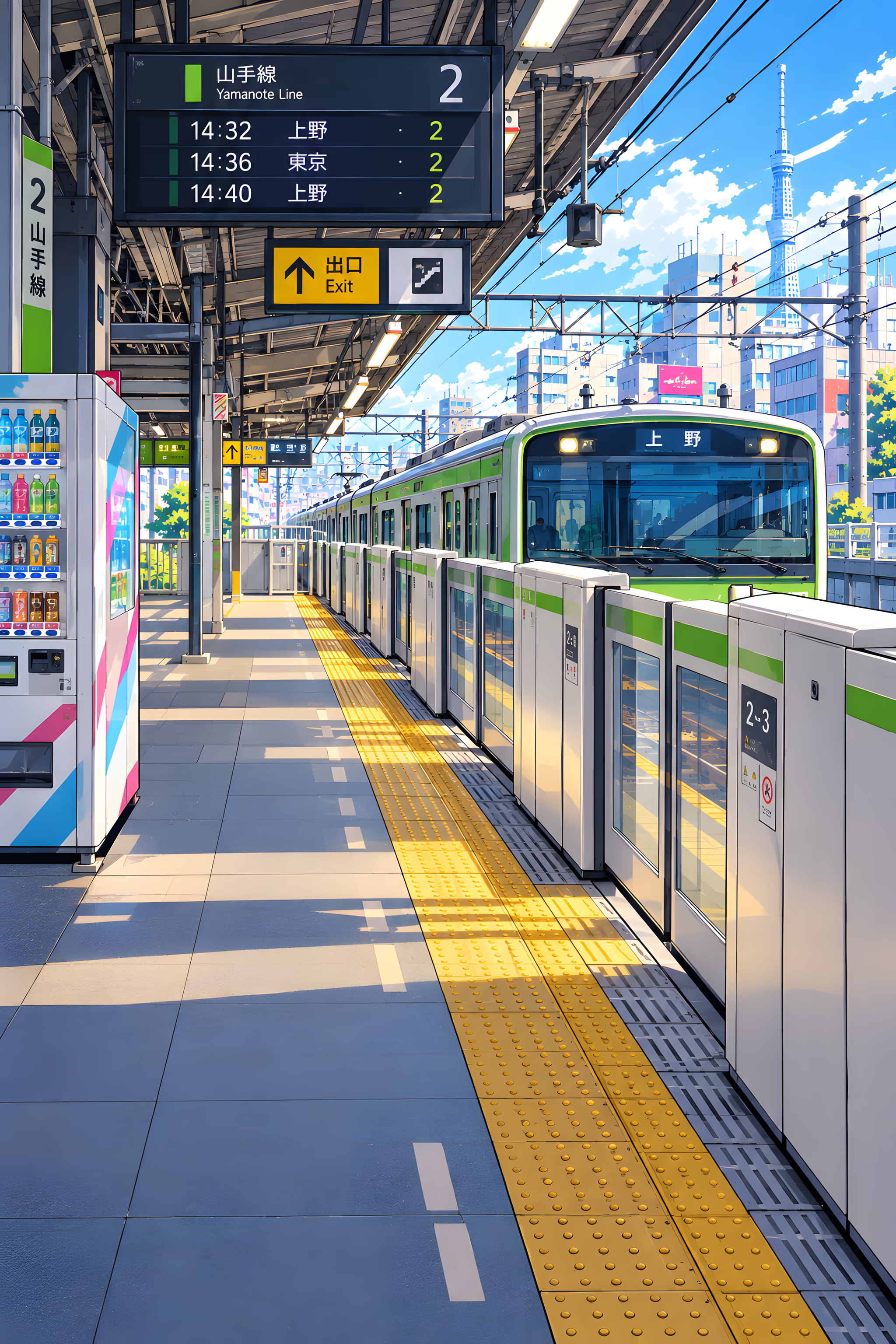

How Ren opens the conversation
Ren always speaks first. This is the scene's own opening line, with a reply you could give back at the same level:
あの、大丈夫ですか?何かお困りですか?
Ano, daijōbu desu ka? Nanika okomari desu ka?
Excuse me, are you all right? Is something the matter?
You could say
渋谷に行きたいんですが、どの電車ですか?
Shibuya ni ikitai n desu ga, dono densha desu ka?
I'd like to get to Shibuya. Which train do I take?
Other ways it can begin
No two conversations go the same way, and the first line changes too. Each of these can open the scene:
あの、電車、少し遅れてるみたいですよ。
Ano, densha, sukoshi okureteru mitai desu yo.
Um, it looks like the train is running a little late.
You could say
あ、そうなんですか。ありがとうございます。
A, sō nan desu ka. Arigatō gozaimasu.
Oh, really? Thank you.
この路線図、分かりにくいですよね。
Kono rosenzu, wakarinikui desu yo ne.
This route map is hard to read, isn't it?
You could say
はい、ちょっと難しいです。
Hai, chotto muzukashii desu.
Yes, it's a bit difficult.
すみません、この駅、初めてですか?
Sumimasen, kono eki, hajimete desu ka?
Excuse me, is this your first time at this station?
You could say
はい、初めてです。
Hai, hajimete desu.
Yes, it's my first time.
あの、さっきから行ったり来たりしてますね。
Ano, sakki kara ittari kitari shitemasu ne.
Um, you've been walking back and forth for a while.
You could say
はい、出口が分からなくて。
Hai, deguchi ga wakaranakute.
Yes, I can't find the exit.
僕もこの電車、待ってるんです。どこまでですか?
Boku mo kono densha, matteru n desu. Doko made desu ka?
I'm waiting for this train too. How far are you going?
You could say
新宿まで行きたいです。
Shinjuku made ikitai desu.
I want to go to Shinjuku.



Phrases worth knowing here
Lines for what you do at the train station, each with when you'd say it.
- 渋谷に行きたいんですが。Shibuya ni ikitai n desu ga.I'd like to go to Shibuya...Opening line when asking for directions; trailing が softens it into a request for help.
- この電車で合ってますか?Kono densha de attemasu ka?Is this the right train?Say it while standing on the platform, checking the train in front of you.
- 何番線ですか?Nanbansen desu ka?Which platform number is it?
- 乗り換えは必要ですか?Norikae wa hitsuyō desu ka?Do I need to transfer?
- すみません、もう一度お願いします。Sumimasen, mō ichido onegai shimasu.Sorry, could you say that once more?Useful when the directions come too fast or the station announcement drowns him out.
Words you'll hear
| Japanese | Romaji | Meaning |
|---|---|---|
| 駅 | eki | station |
| ホーム | hōmu | platform |
| 何番線 | nanbansen | which track/platform number |
| 乗り換え | norikae | transfer (trains) |
| 各駅停車 | kakueki teisha | local train (stops at every station) |
| 急行 | kyūkō | express train |
| 次 | tsugi | next (train, stop) |
| 改札 | kaisatsu | ticket gate |
| 反対側 | hantaigawa | the opposite side |
| 階段 | kaidan | stairs |
How polite to be
polite Here Ren speaks polite Japanese: です and ます, the way people talk with strangers, neighbors, and coworkers, and the replies suggested to you match the level you'd use back. The guide to keigo explains the three levels, and when each is right.
Try it out loud
In Unsubtitled, Ren says these lines in their own voice, and answers whatever you say back, typed or dictated, with furigana, romaji, and a translation until you no longer need them.
Start talkingMore scenes with Ren
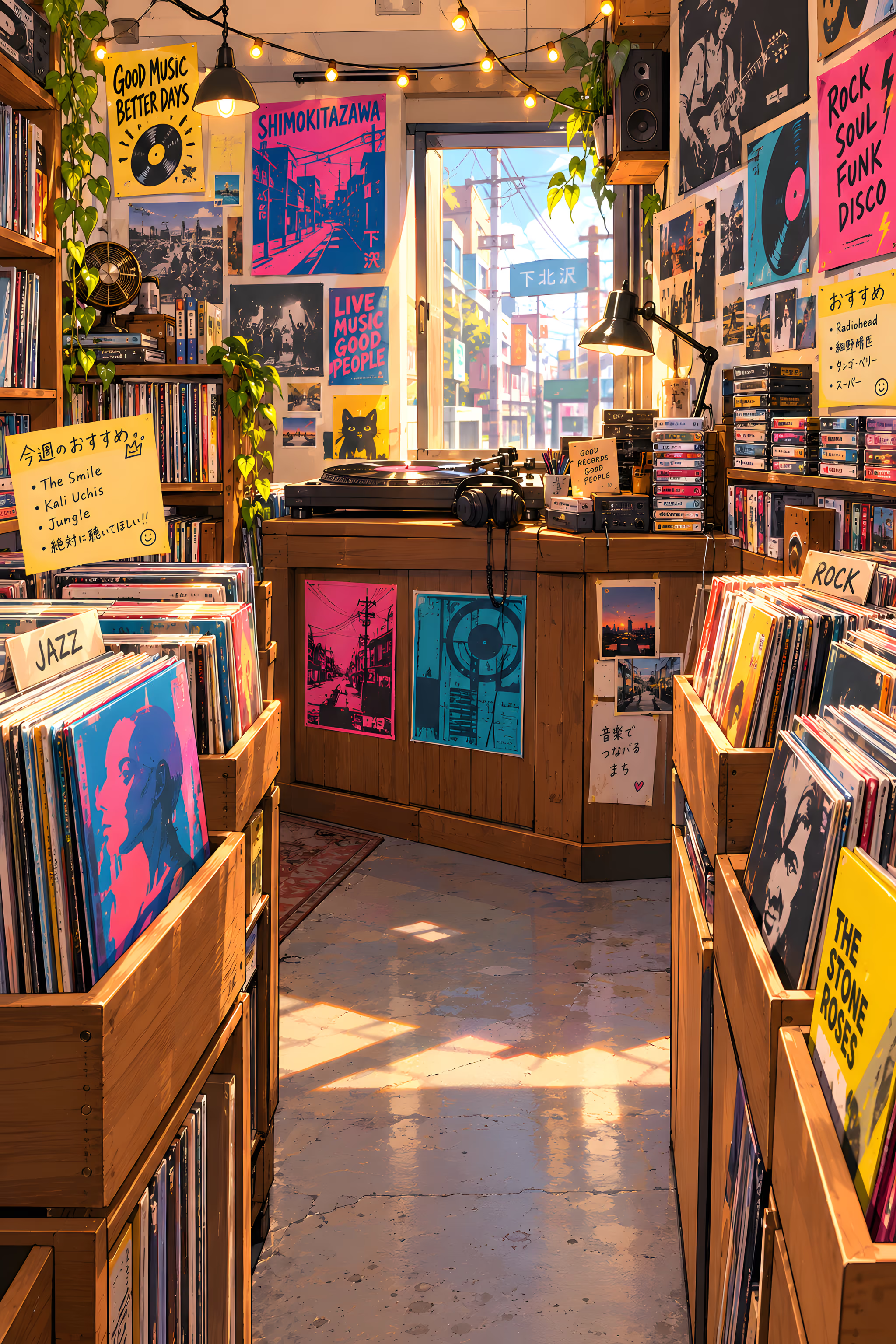
- At the record shop蓮(れん) · Record shopformal
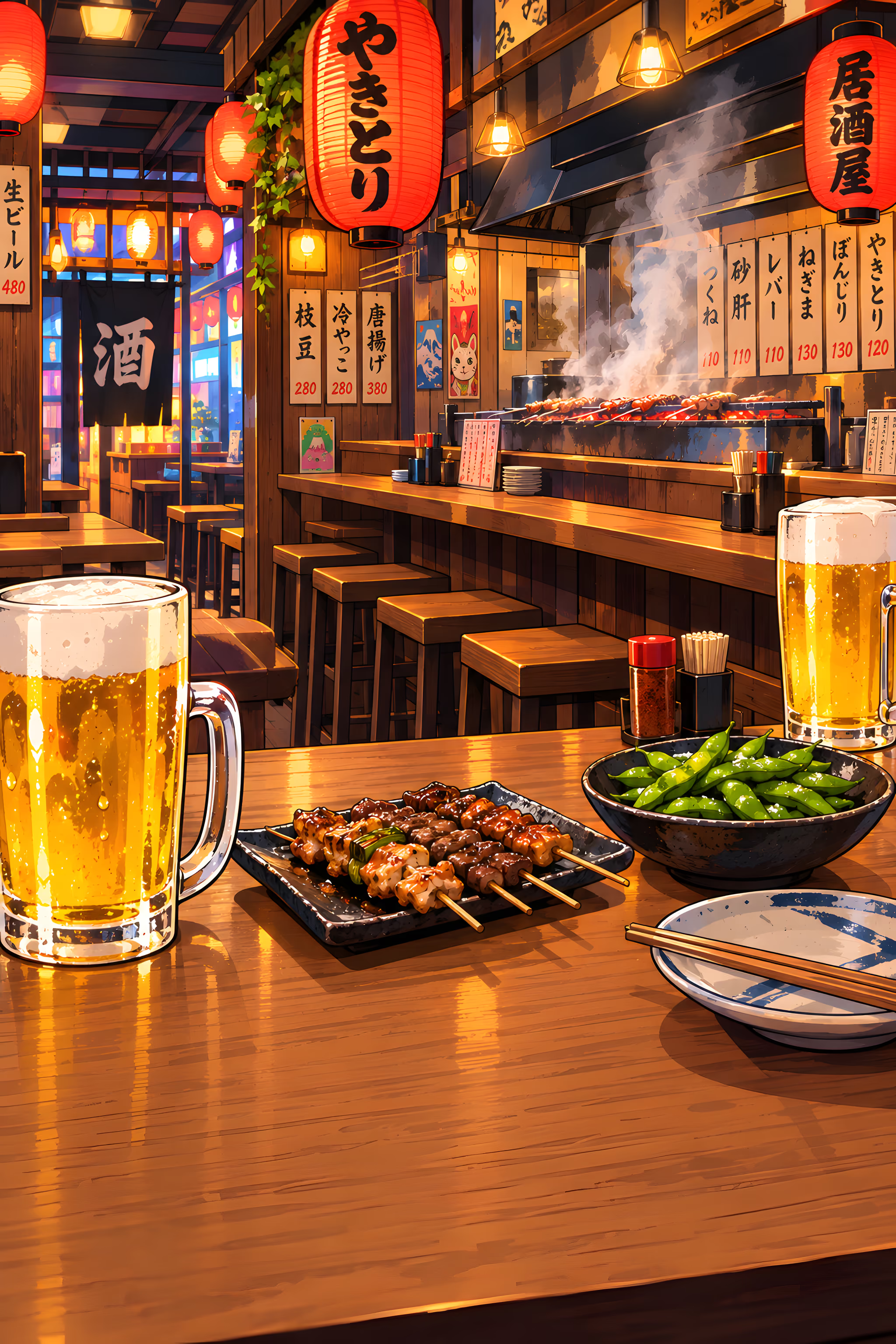
- Drinks after work蓮(れん) · Izakayacasual
- A night at the arcade蓮(れん) · Game centercasual
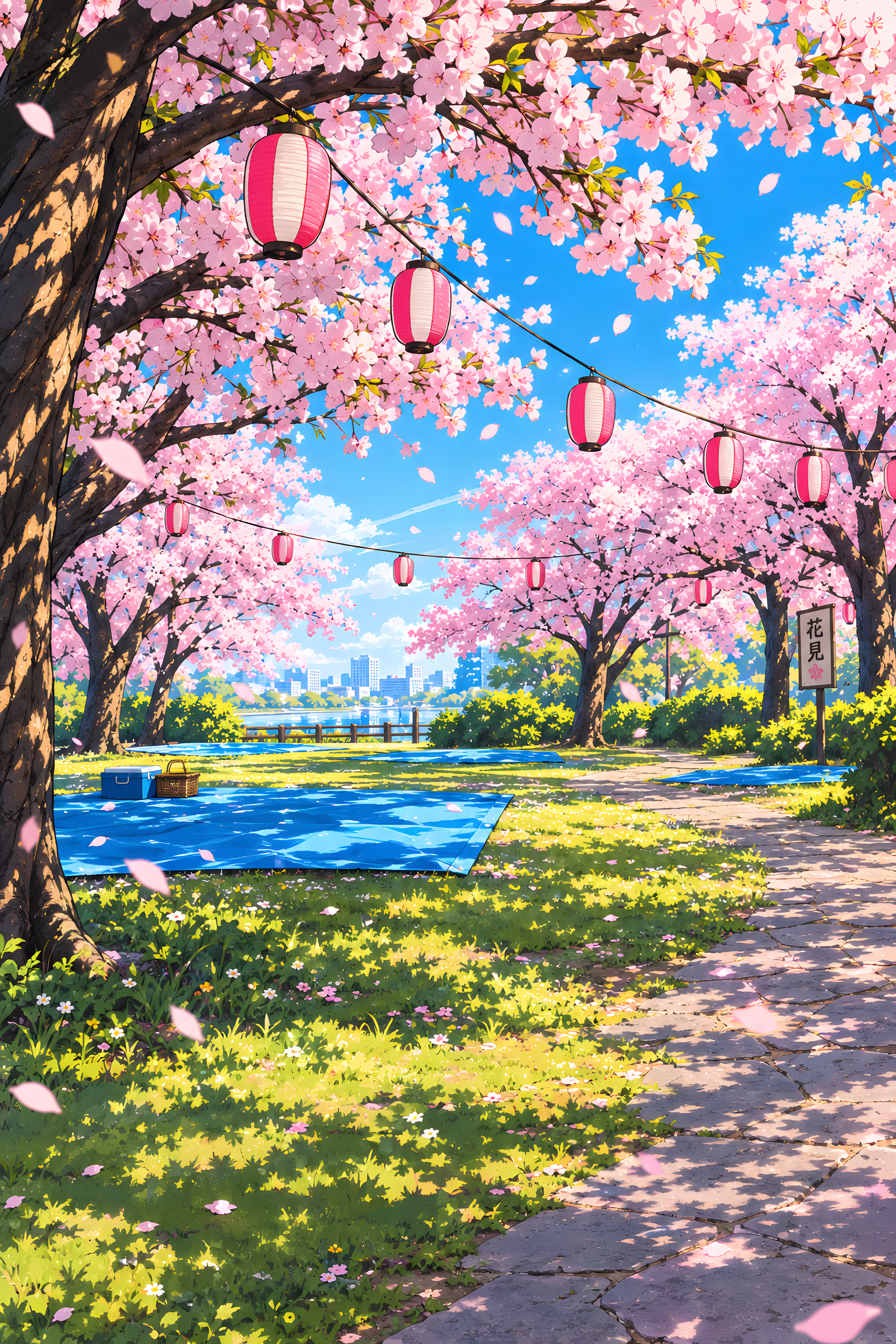
- Cherry blossoms in the park蓮(れん) · Parkcasual
- Sending a parcel home蓮(れん) · Post officecasual
- Looking for a place to live蓮(れん) · Real estate agencycasual
- Something left on the train蓮(れん) · Police boxcasual
- Choosing new glasses蓮(れん) · Glasses shopcasual
- At the top of the mountain蓮(れん) · Mountain summitcasual



Or see every scene, with all four characters.