Bargains at the supermarket
Shopping at a Japanese supermarket: words and phrases
Kenji lives next door, and cooks for his family every weekend. You've met him at the supermarket just as the half-price stickers go on, and he has opinions about every tray on the counter. Kenji speaks first, in polite Japanese: です and ます, the way people talk with strangers, neighbors, and coworkers. Here is how it can begin, and the phrases and words worth having ready.
politeWith Kenji, at the supermarket
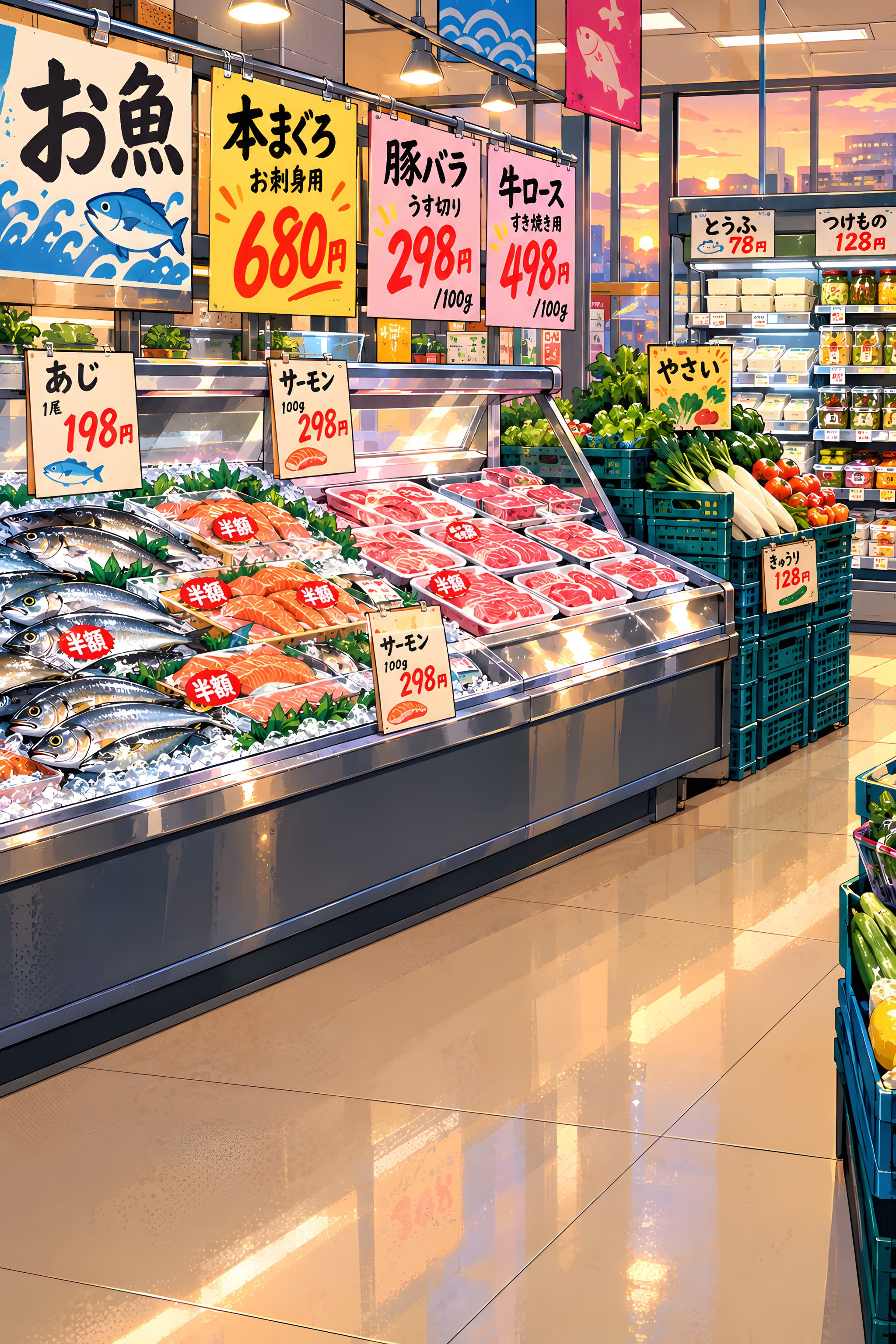

How Kenji opens the conversation
Kenji always speaks first. This is the scene's own opening line, with a reply you could give back at the same level:
この刺身、もう半額ですよ。買いましょう。
Kono sashimi, mō hangaku desu yo. Kaimashō.
This sashimi is half price already. Let's get it.
You could say
本当ですね。どうやって食べますか?
Hontō desu ne. Dō yatte tabemasu ka?
So it is. How should I eat it?
Other ways it can begin
No two conversations go the same way, and the first line changes too. Each of these can open the scene:
お、コロッケが半額ですよ。晩ごはんはこれですね。
O, korokke ga hangaku desu yo. Bangohan wa kore desu ne.
Oh, the croquettes are half price. That's dinner, then.
You could say
いいですね。私も買います。
Ii desu ne. Watashi mo kaimasu.
Nice. I'll get some too.
週末はいつも私が料理します。今日は肉じゃがです。
Shūmatsu wa itsumo watashi ga ryōri shimasu. Kyō wa nikujaga desu.
On weekends I always do the cooking. Today it's nikujaga.
You could say
すごいですね。おいしそうです。
Sugoi desu ne. Oishisō desu.
That's impressive. Sounds delicious.
実は、あのソース、うちの会社のなんですよ。
Jitsu wa, ano sōsu, uchi no kaisha no nan desu yo.
Actually, that sauce over there is my company's.
You could say
え、本当ですか。今度買います。
E, hontō desu ka. Kondo kaimasu.
Really? I'll buy some next time.
今日はトマトが安いですね。何を買いますか。
Kyō wa tomato ga yasui desu ne. Nani o kaimasu ka.
The tomatoes are cheap today. What are you buying?
You could say
私はたまごと牛乳だけです。
Watashi wa tamago to gyūnyū dake desu.
Just eggs and milk for me.
このイカも安いですよ。イカがですか。
Kono ika mo yasui desu yo. Ikaga desu ka.
This squid is cheap too. How about it? ("Squid-how about it?")
You could say
ふふ、上手ですね。一つもらいます。
Fufu, jōzu desu ne. Hitotsu moraimasu.
Haha, good one. I'll take one.



Phrases worth knowing here
Lines for what you do at the supermarket, each with when you'd say it.
- これ、半額になってますよ。Kore, hangaku ni natte masu yo.This one's half price now.Say it when you spot a discount sticker and want to point it out to Kenji.
- 今日の晩ご飯、何にしますか。Kyō no ban-gohan, nani ni shimasu ka.What are you making for dinner tonight?Natural small talk with a neighbor who cooks, while browsing the counter.
- もう少し待てば、安くなりますかね。Mō sukoshi mateba, yasuku narimasu ka ne.Think it'll get cheaper if we wait a bit longer?When you're debating whether to grab a tray now or hold out for a deeper markdown.
- この魚、新しそうですね。Kono sakana, atarashisō desu ne.This fish looks fresh.Use when commenting on the quality of something on the discount counter.
- おすすめはどれですか。Osusume wa dore desu ka.Which one do you recommend?Ask Kenji, who has an opinion about every tray.
Words you'll hear
| Japanese | Romaji | Meaning |
|---|---|---|
| 半額 | hangaku | half price |
| 値引き | nebiki | discount, markdown |
| シール | shīru | sticker |
| 刺身 | sashimi | sashimi |
| お惣菜 | o-sōzai | prepared side dishes, deli food |
| 特売 | tokubai | special sale |
| 賞味期限 | shōmi kigen | best-before date |
| かご | kago | shopping basket |
| レジ | reji | checkout, register |
| お買い得 | o-kaidoku | a good buy, bargain |
How polite to be
polite Here Kenji speaks polite Japanese: です and ます, the way people talk with strangers, neighbors, and coworkers, and the replies suggested to you match the level you'd use back. The guide to keigo explains the three levels, and when each is right.
Eating out somewhere else? The guide to ordering food in Japanese walks through a whole meal, from the door to the check.
Try it out loud
In Unsubtitled, Kenji says these lines in their own voice, and answers whatever you say back, typed or dictated, with furigana, romaji, and a translation until you no longer need them.
Start talkingMore scenes with Kenji
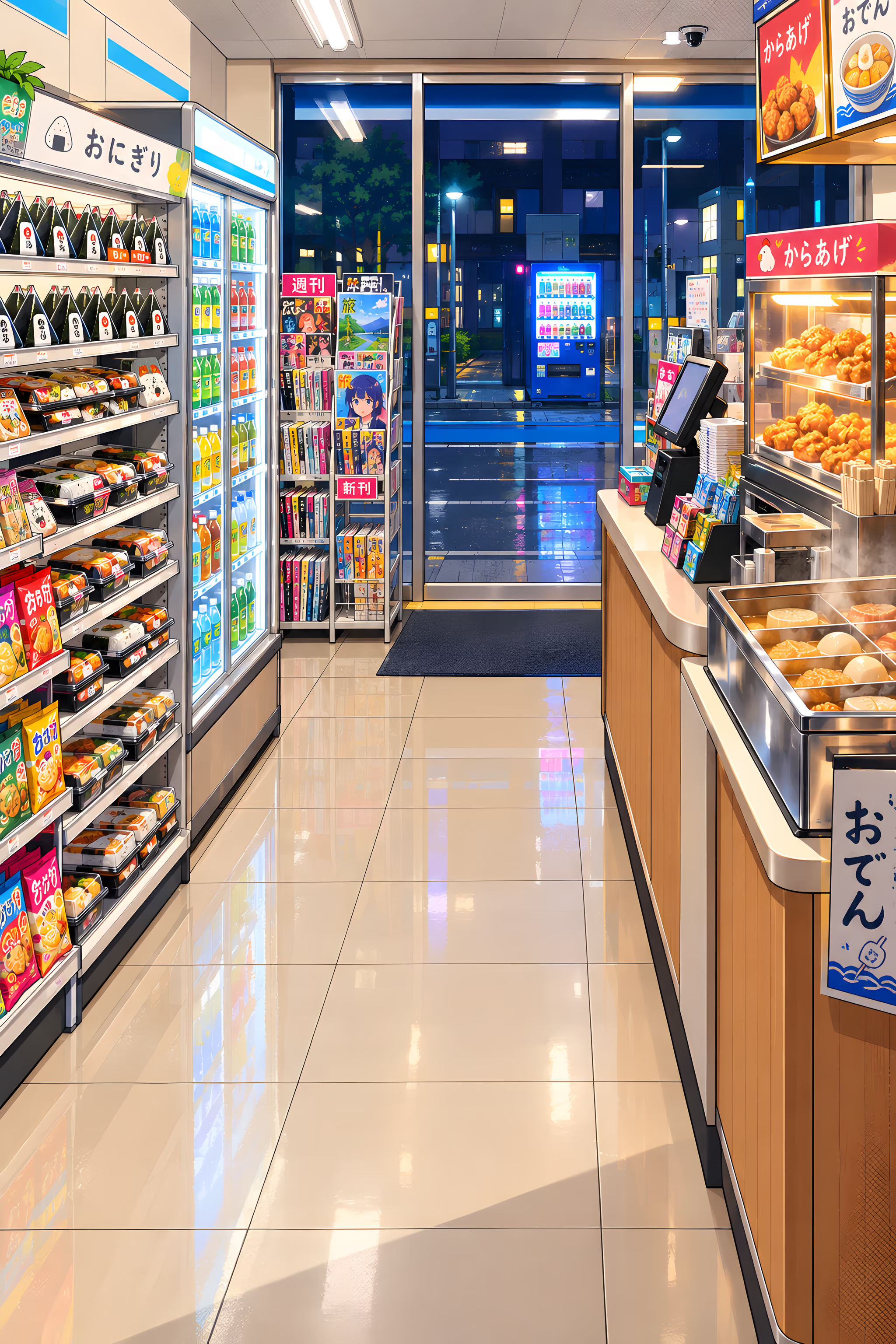
- Running into a neighbor健二(けんじ) · Convenience storepolite
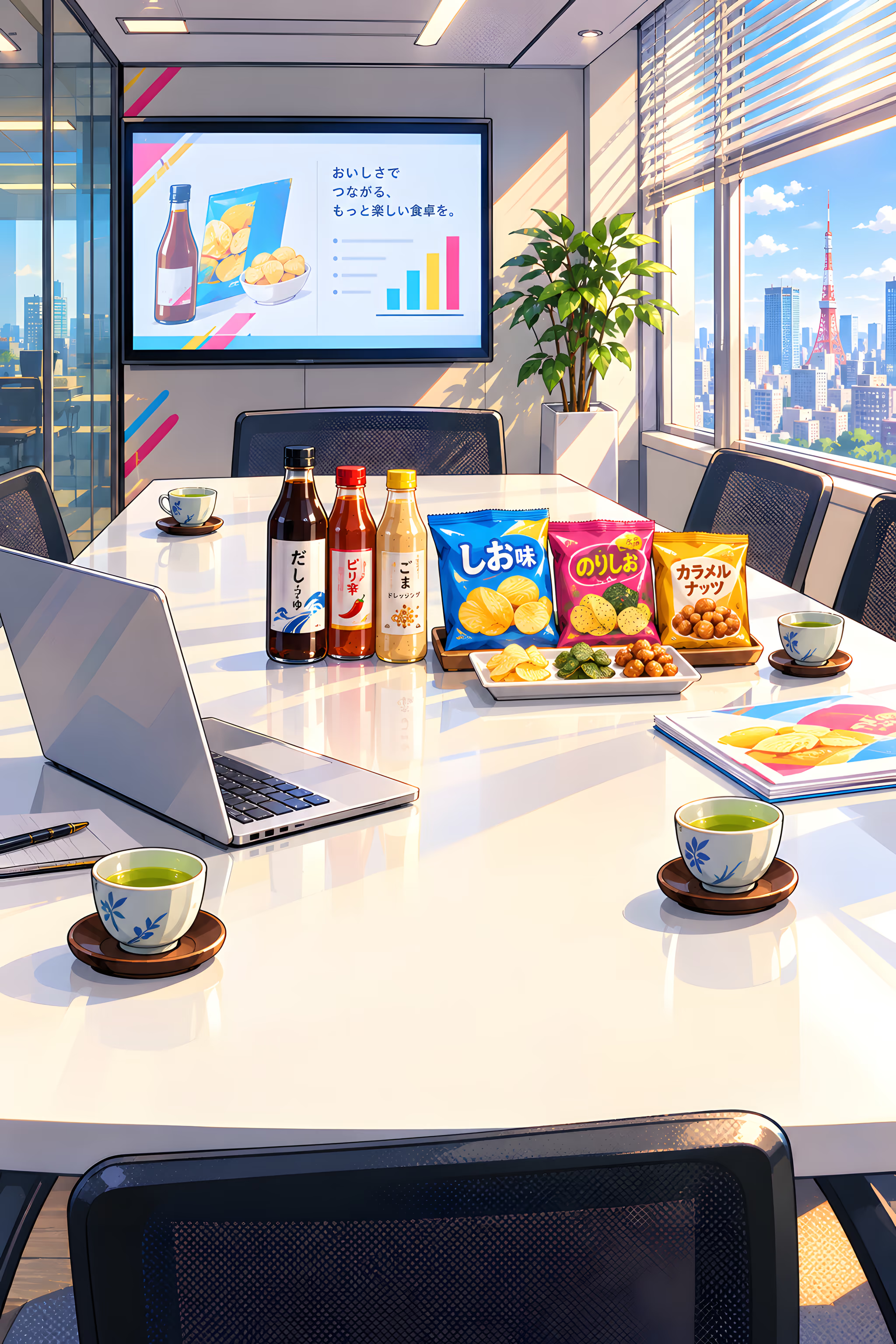
- A sales meeting健二(けんじ) · Meeting roomformal
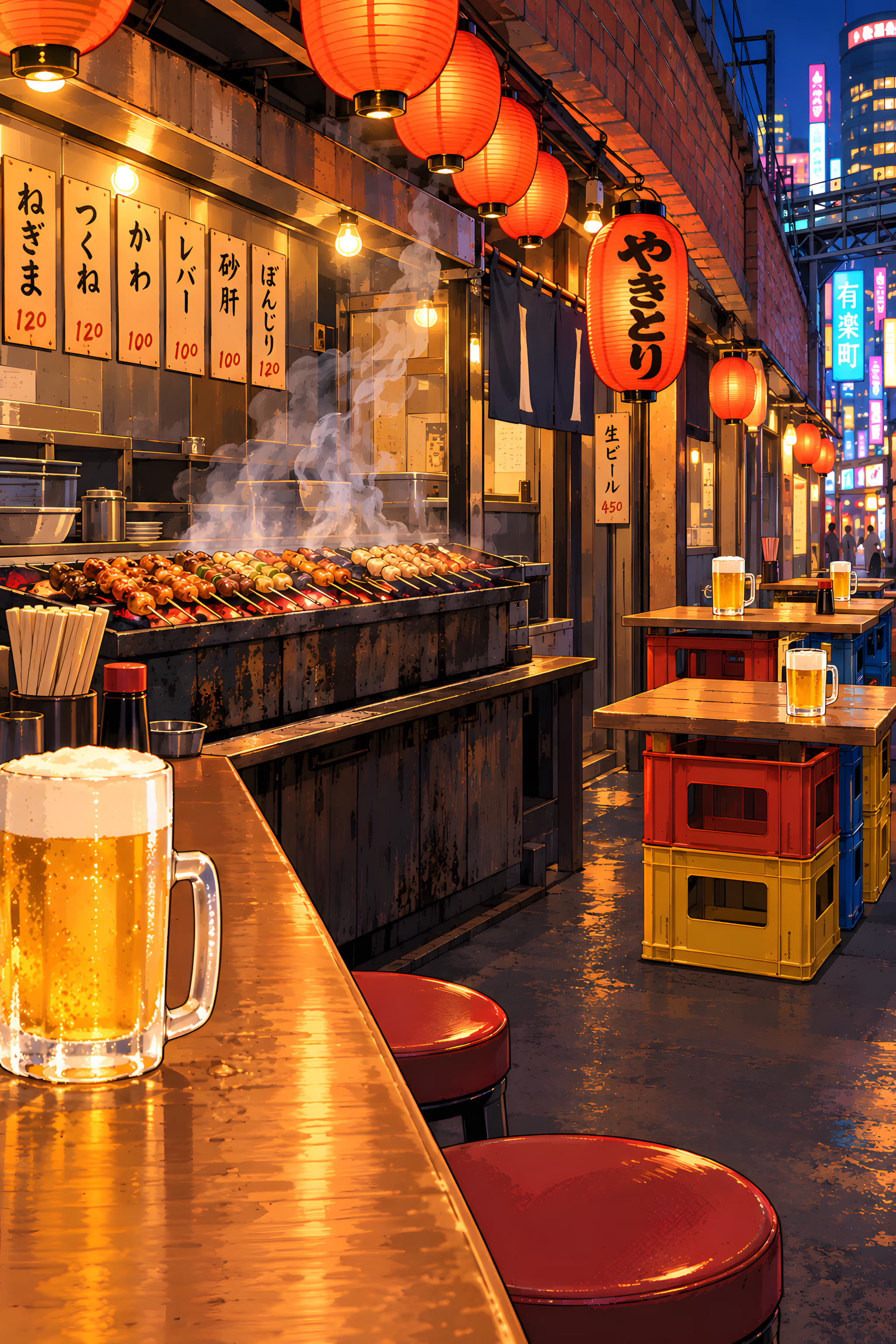
- Yakitori under the tracks健二(けんじ) · Yakitori barcasual
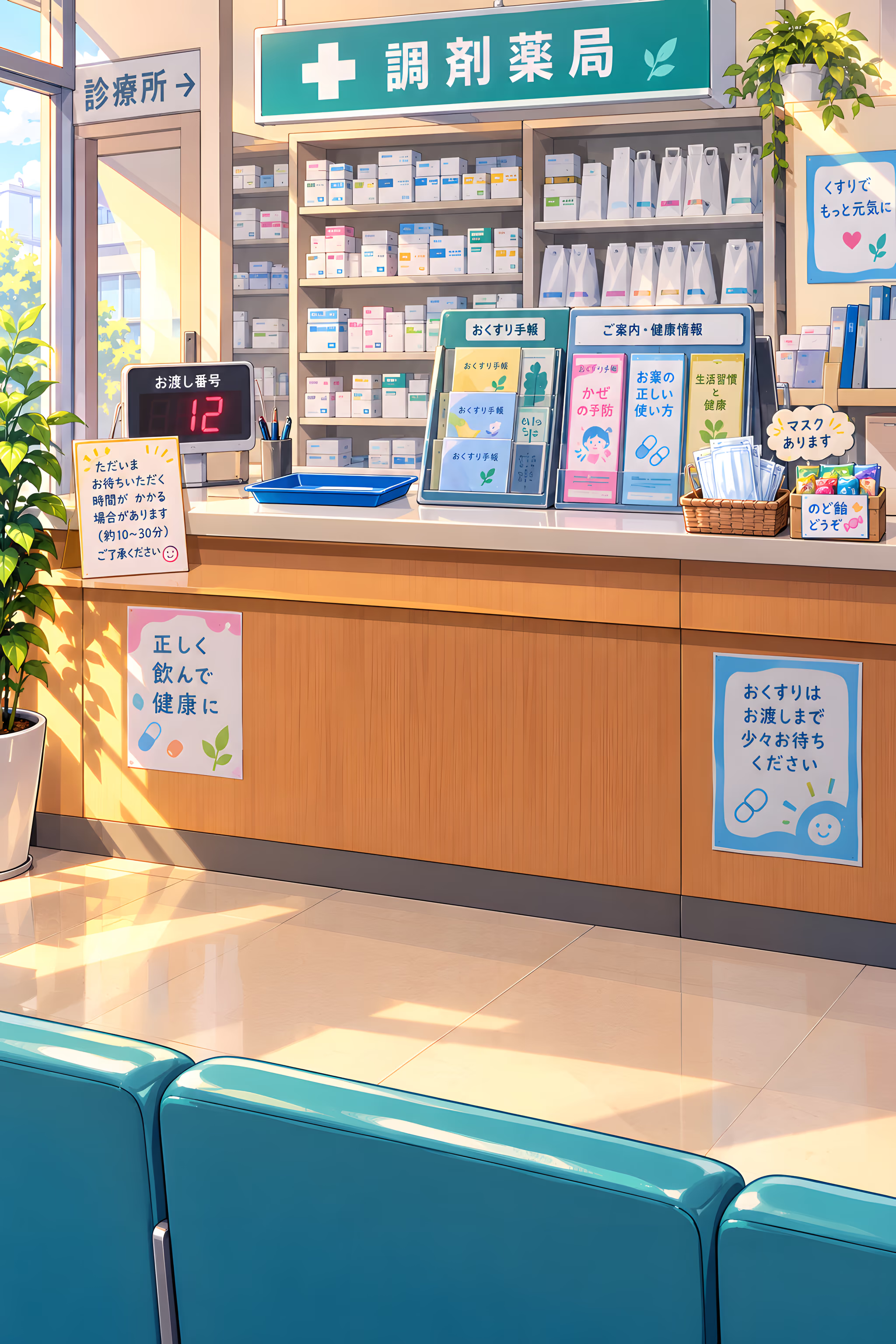
- Picking up a prescription健二(けんじ) · Pharmacypolite
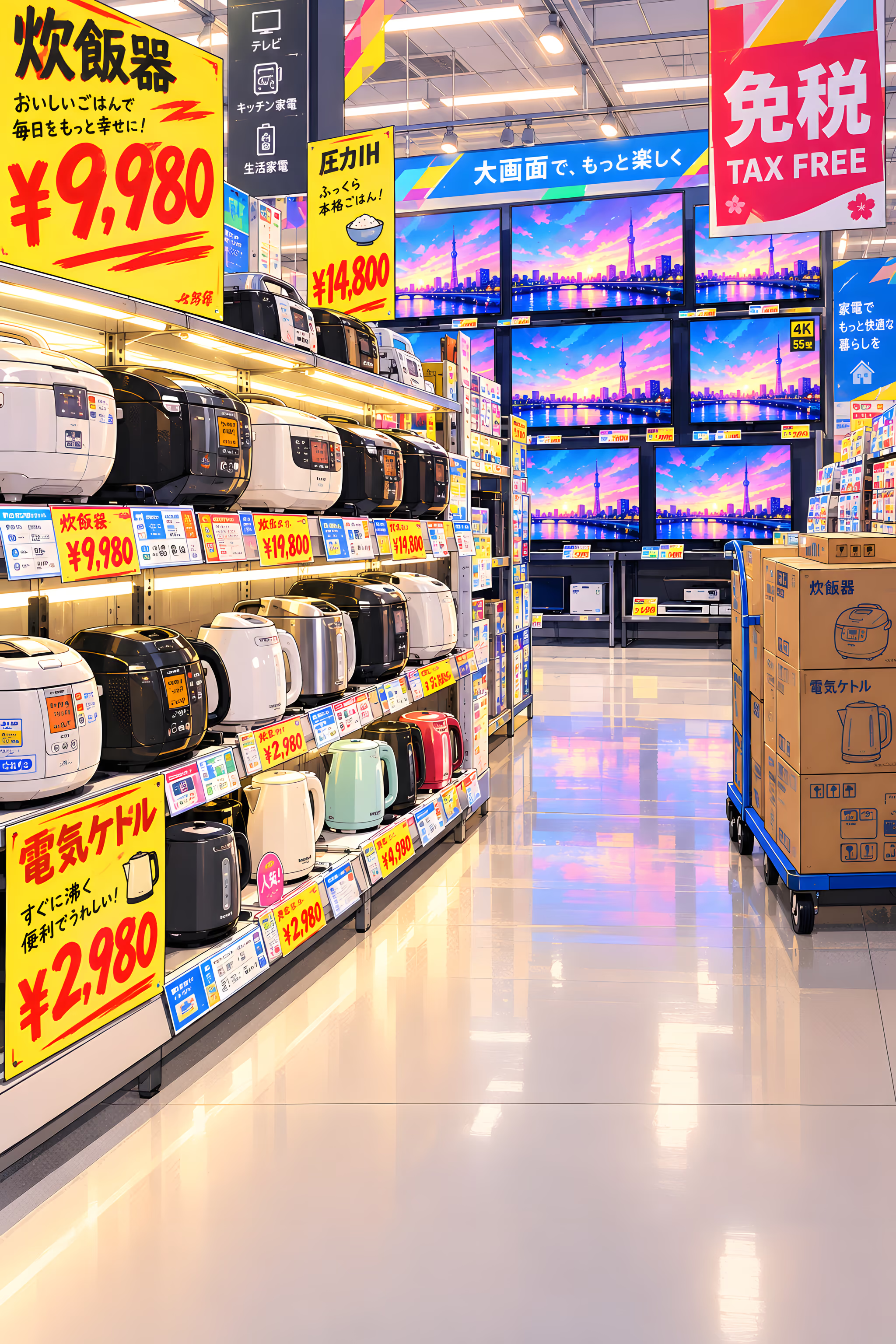
- Buying a rice cooker健二(けんじ) · Electronics storepolite
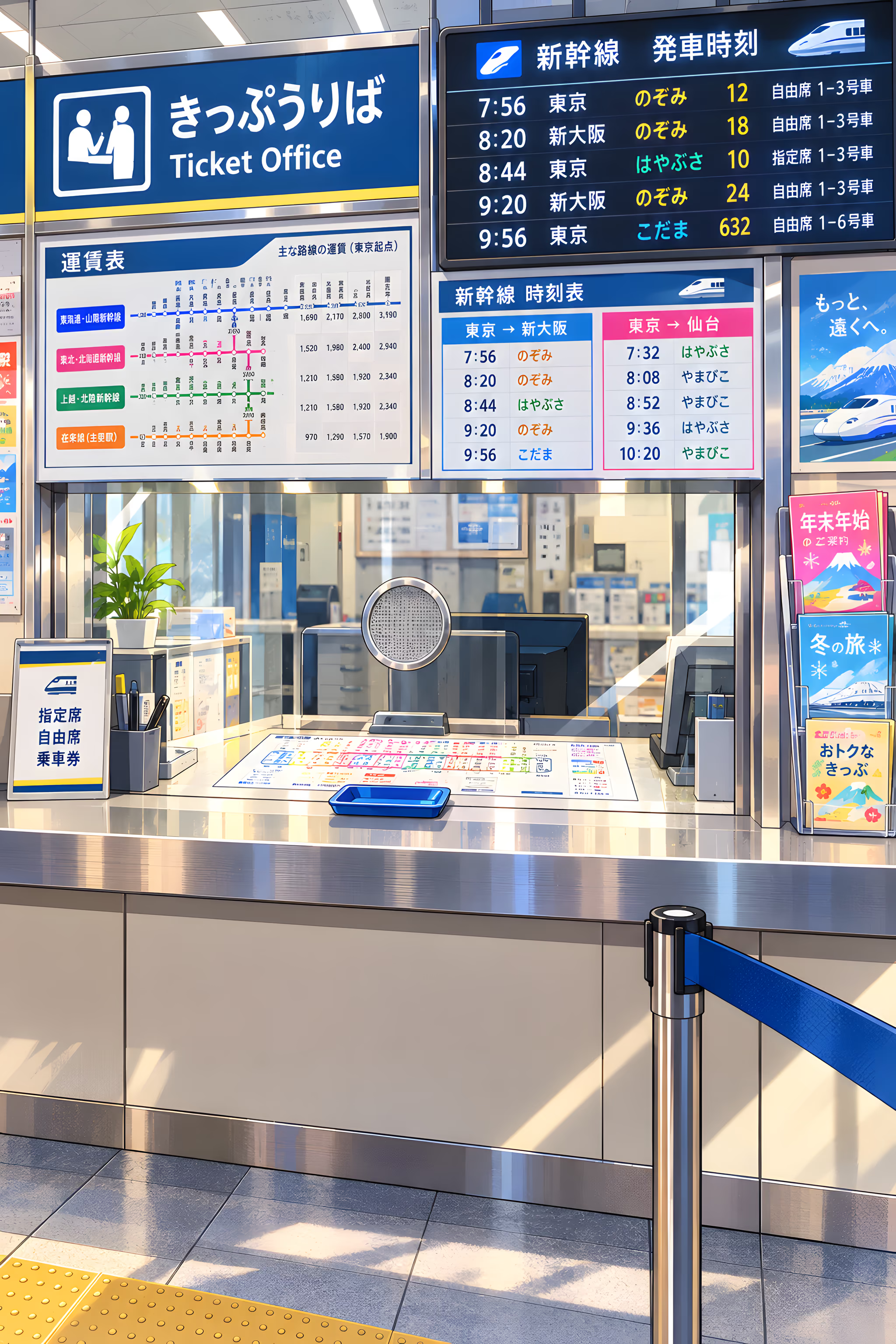
- Booking the bullet train健二(けんじ) · Ticket officepolite
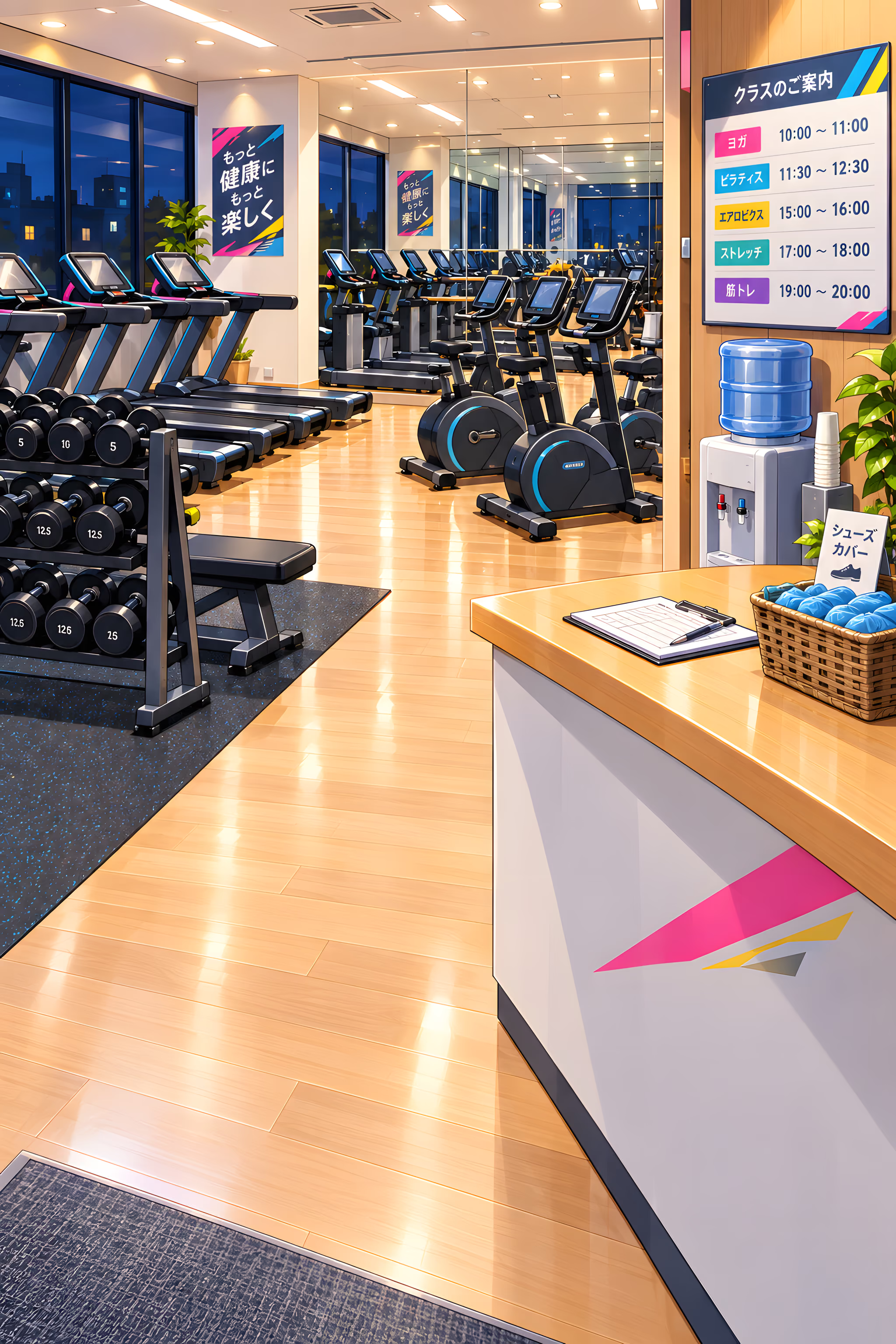
- Signing up at the gym健二(けんじ) · Gympolite
- Picking up the rental car健二(けんじ) · Car rentalpolite
- A night at the ballpark健二(けんじ) · Baseball stadiumpolite

Or see every scene, with all four characters.