Yakitori under the tracks
Ordering yakitori in Japanese: words and phrases
You and Kenji are old friends from your university baseball club, catching up over yakitori and beer after work. Kenji speaks first, in casual Japanese: plain forms, without です and ます, the way friends and family talk. Here is how it can begin, and the phrases and words worth having ready.
casualWith Kenji, at the yakitori bar
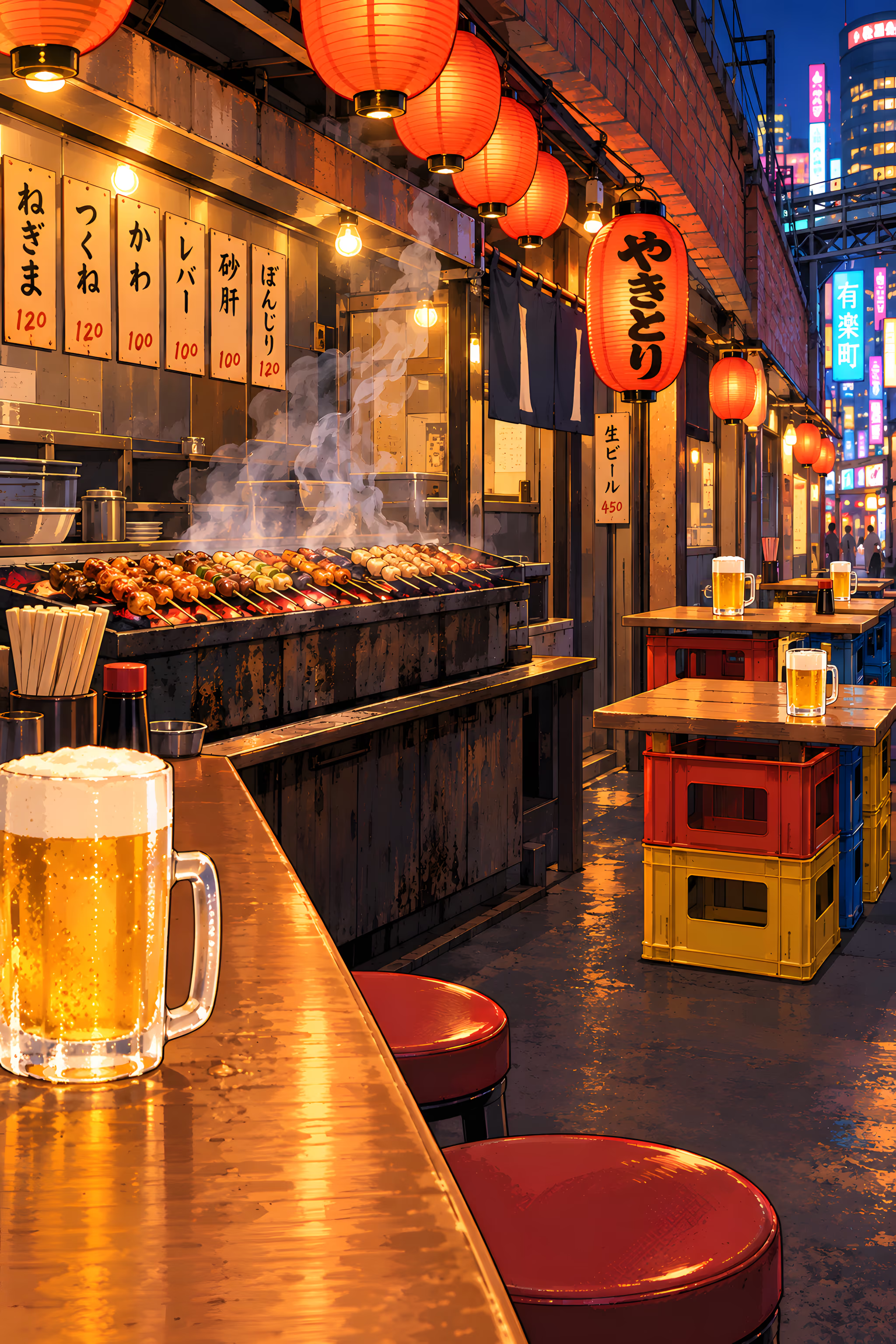

How Kenji opens the conversation
Kenji always speaks first. This is the scene's own opening line, with a reply you could give back at the same level:
おう、久しぶり!ここのねぎま、最高なんだよ。とりあえず生でいい?
Ō, hisashiburi! Koko no negima, saikō nan da yo. Toriaezu nama de ii?
Hey, long time no see! The negima here is the best. Draft beer to start?
You could say
久しぶり!うん、生で。ねぎまも頼もう!
Hisashiburi! Un, nama de. Negima mo tanomō!
Long time no see! Yeah, draft beer. Let's get some negima too!
Other ways it can begin
No two conversations go the same way, and the first line changes too. Each of these can open the scene:
お、電車の音すごいな。ここ、線路の下だもんな。
O, densha no oto sugoi na. Koko, senro no shita da mon na.
Whoa, the trains are loud. Well, we are right under the tracks.
You could say
ほんとだ。でも、もう慣れたよ。
Honto da. Demo, mō nareta yo.
You're right. But I'm used to it already.
聞いてくれよ。息子が野球始めたんだ。
Kiite kure yo. Musuko ga yakyū hajimeta n da.
Listen to this. My son's started playing baseball.
You could say
へえ、すごいな。ポジションは?
Hē, sugoi na. Pojishon wa?
Wow, that's great. What position?
お前、全然変わらないな。最近どう?
Omae, zenzen kawaranai na. Saikin dō?
You haven't changed a bit. How've you been lately?
You could say
まあまあかな。健二は元気?
Māmā ka na. Kenji wa genki?
So-so, I guess. How about you, Kenji?
この砂肝、めちゃくちゃうまいぞ。食べてみろよ。
Kono sunagimo, mechakucha umai zo. Tabete miro yo.
This gizzard is insanely good. Give it a try.
You could say
じゃあ、一本もらうよ。
Jā, ippon morau yo.
Okay, I'll take one skewer.
とりあえず、鳥から頼もうか。なんてな!
Toriaezu, tori kara tanomō ka. Nante na!
For starters, let's start with the chicken — get it?
You could say
そのダジャレ、昔と同じだな。
Sono dajare, mukashi to onaji da na.
That joke's the same as back in the day.
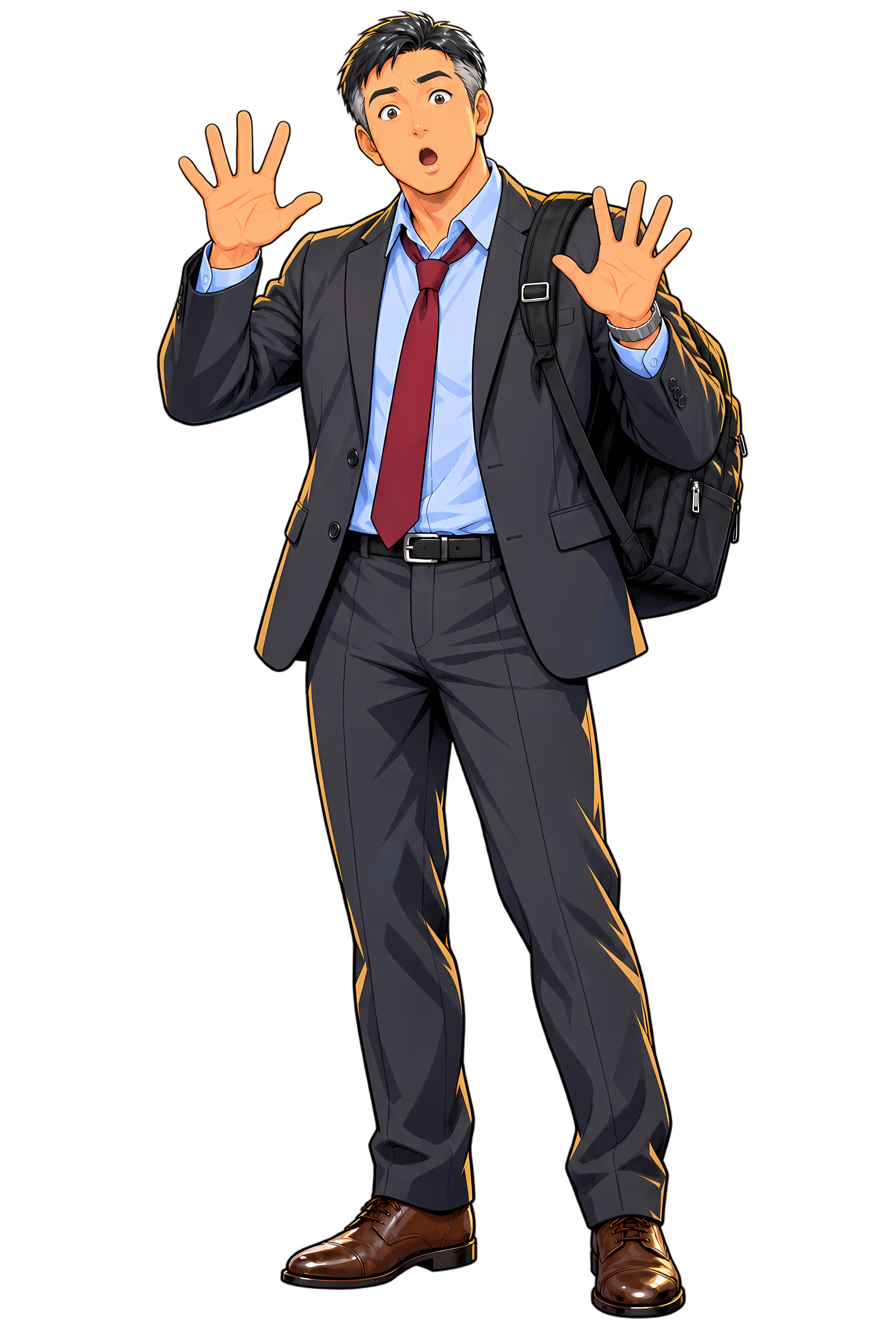
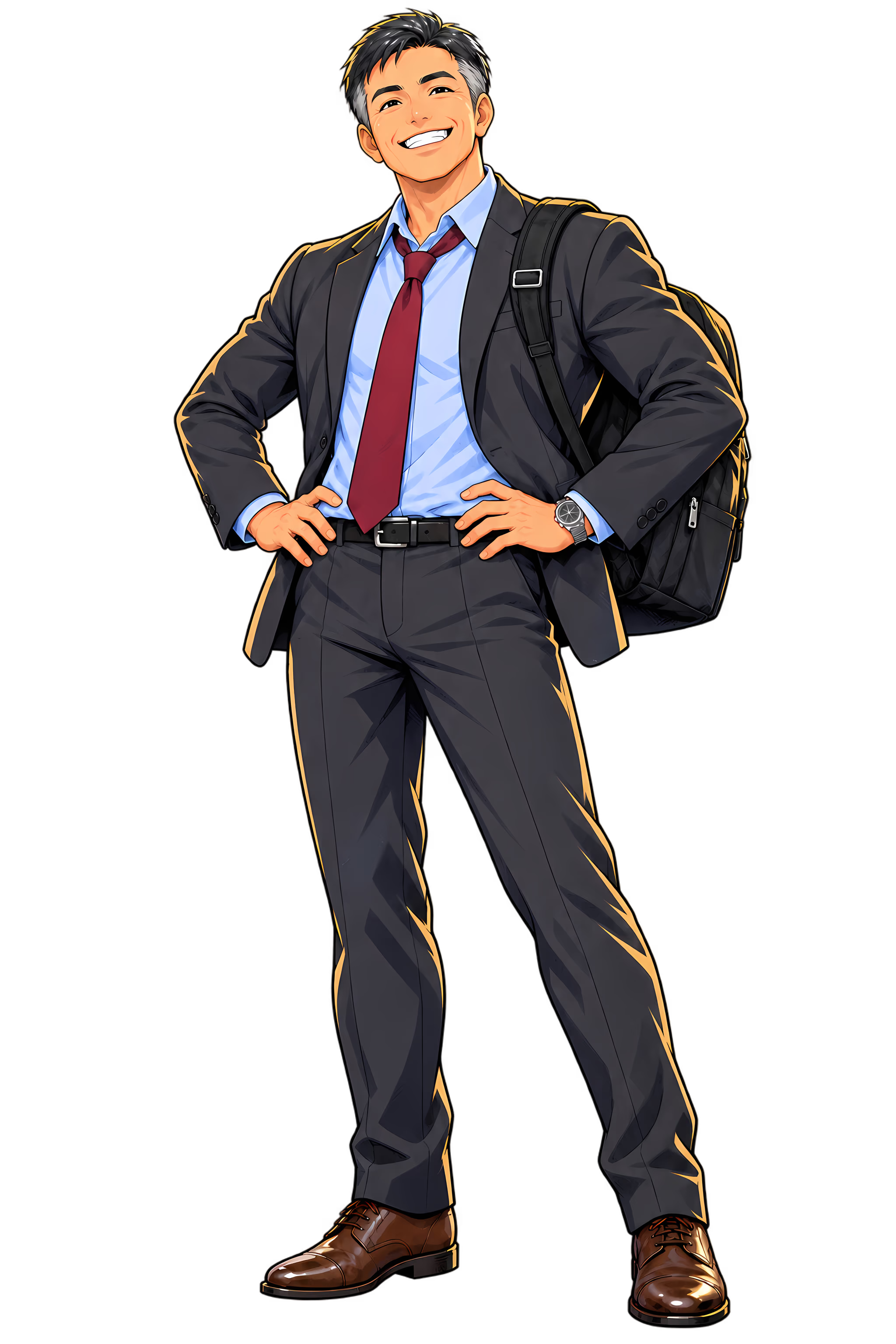

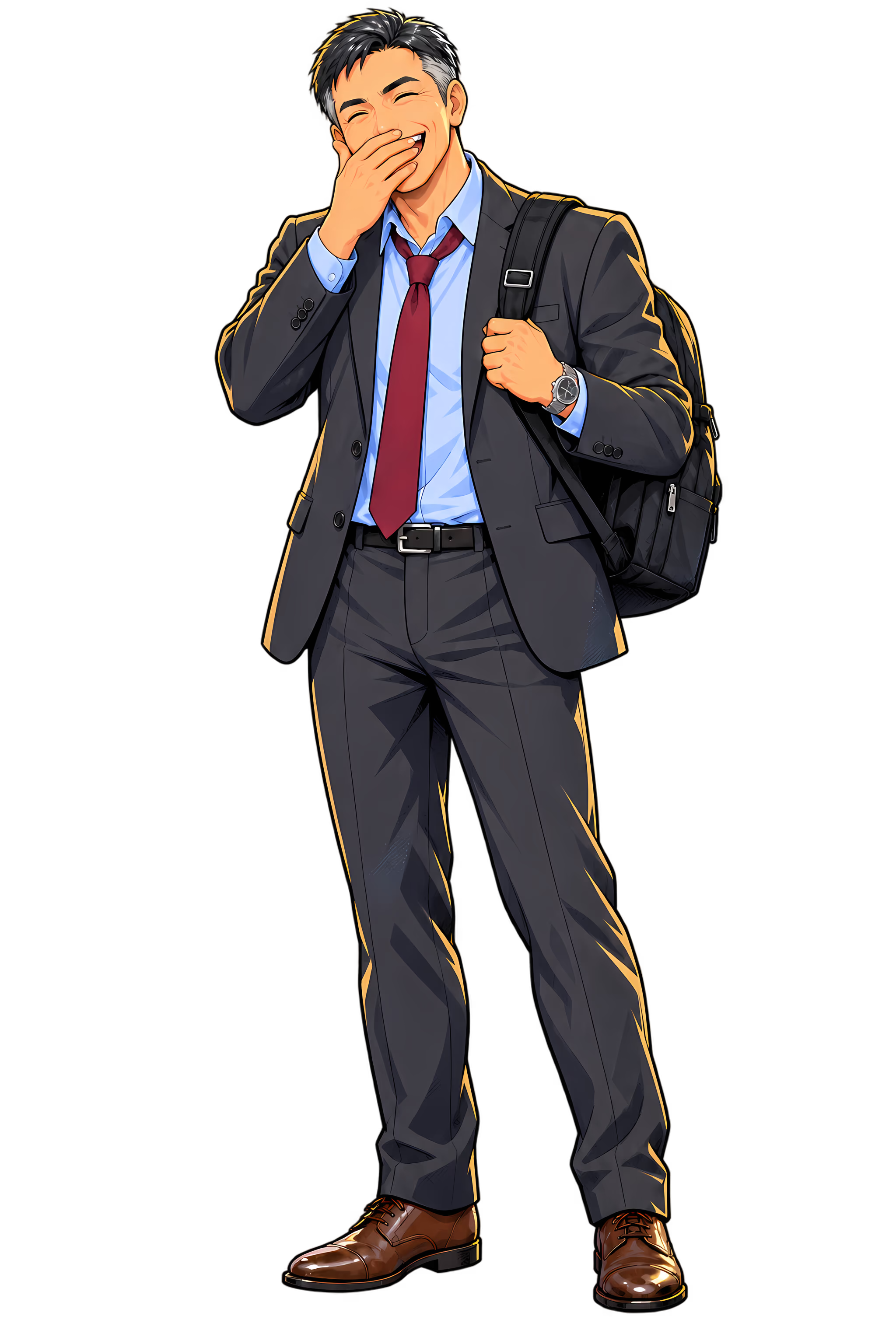
Phrases worth knowing here
Lines for what you do at the yakitori bar, each with when you'd say it.
- 塩とタレ、どっちにする?Shio to tare, docchi ni suru?Salt or sauce, which do you want?Ask when ordering skewers — most yakitori places let you pick salt or tare for each one.
- 盛り合わせにしようかMoriawase ni shiyō kaShall we get the assortment?Suggest the mixed skewer set when you can't decide what to order.
- ねぎま、二本ずつでいい?Negima, nihon zutsu de ii?Two negima each, okay?Confirming amounts with your friend before you call the order out; skewers are usually ordered in pairs.
- レバー、食べられる?Rebā, taberareru?Can you eat liver?Check before ordering an organ skewer like liver or gizzard, which some people avoid.
- 煙すごいね、服に匂いつくよKemuri sugoi ne, fuku ni nioi tsuku yoSo much smoke — it gets in your clothes.Small talk at the counter while the charcoal grill is going right in front of you.
Words you'll hear
| Japanese | Romaji | Meaning |
|---|---|---|
| 焼き鳥 | yakitori | grilled chicken skewers |
| 串 | kushi | skewer |
| 塩 | shio | salt (seasoning option) |
| タレ | tare | sweet soy glaze (the other option) |
| 生ビール | nama bīru | draft beer |
| ねぎま | negima | chicken and leek skewer |
| 枝豆 | edamame | boiled soybeans |
| 高架下 | kōkashita | under the train tracks |
| 野球 | yakyū | baseball |
| 久しぶり | hisashiburi | long time no see |
How polite to be
casual Here Kenji speaks casual Japanese: plain forms, without です and ます, the way friends and family talk, and the replies suggested to you match the level you'd use back. The guide to keigo explains the three levels, and when each is right.
Eating out somewhere else? The guide to ordering food in Japanese walks through a whole meal, from the door to the check.
Try it out loud
In Unsubtitled, Kenji says these lines in their own voice, and answers whatever you say back, typed or dictated, with furigana, romaji, and a translation until you no longer need them.
Start talkingMore scenes with Kenji
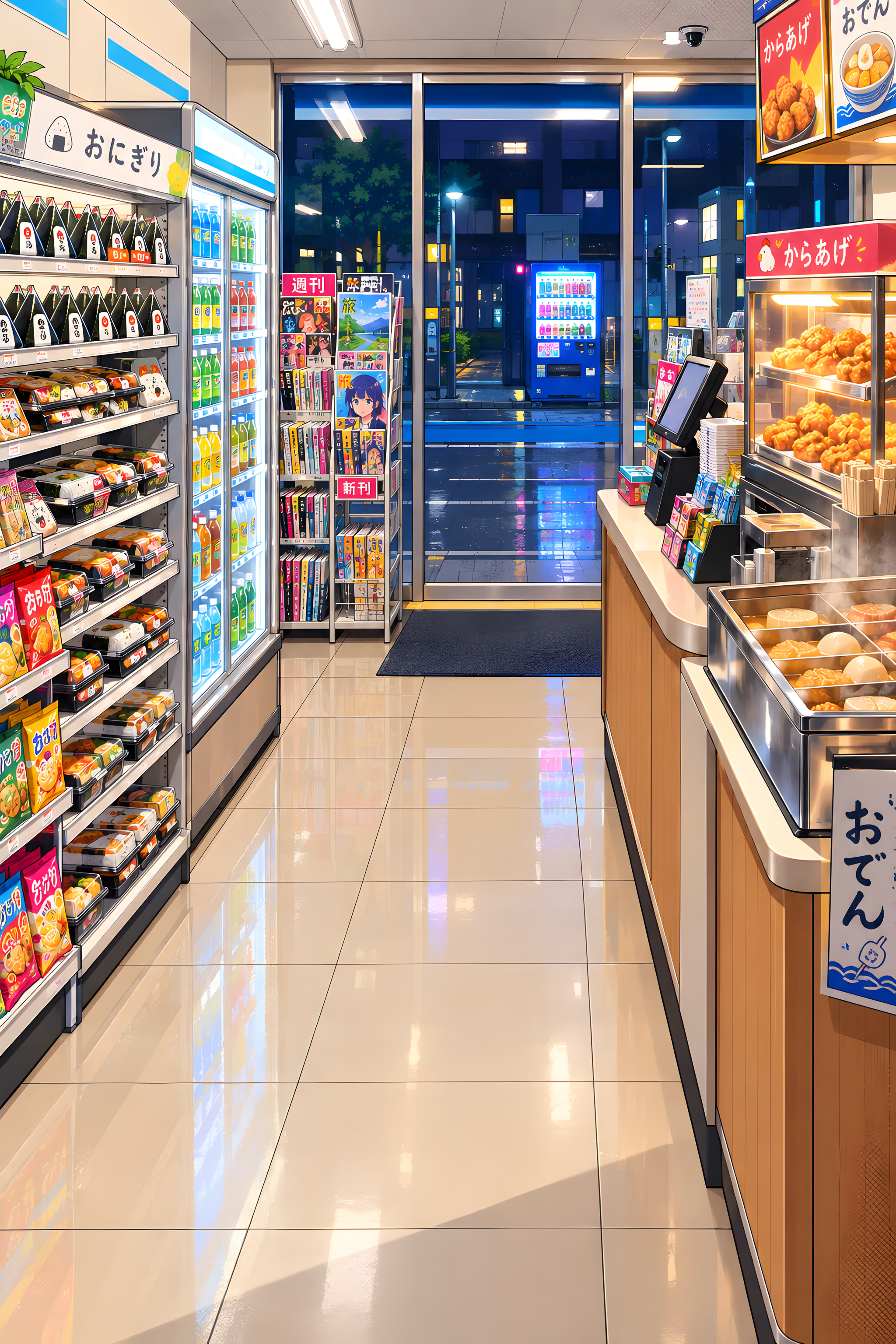
- Running into a neighbor健二(けんじ) · Convenience storepolite
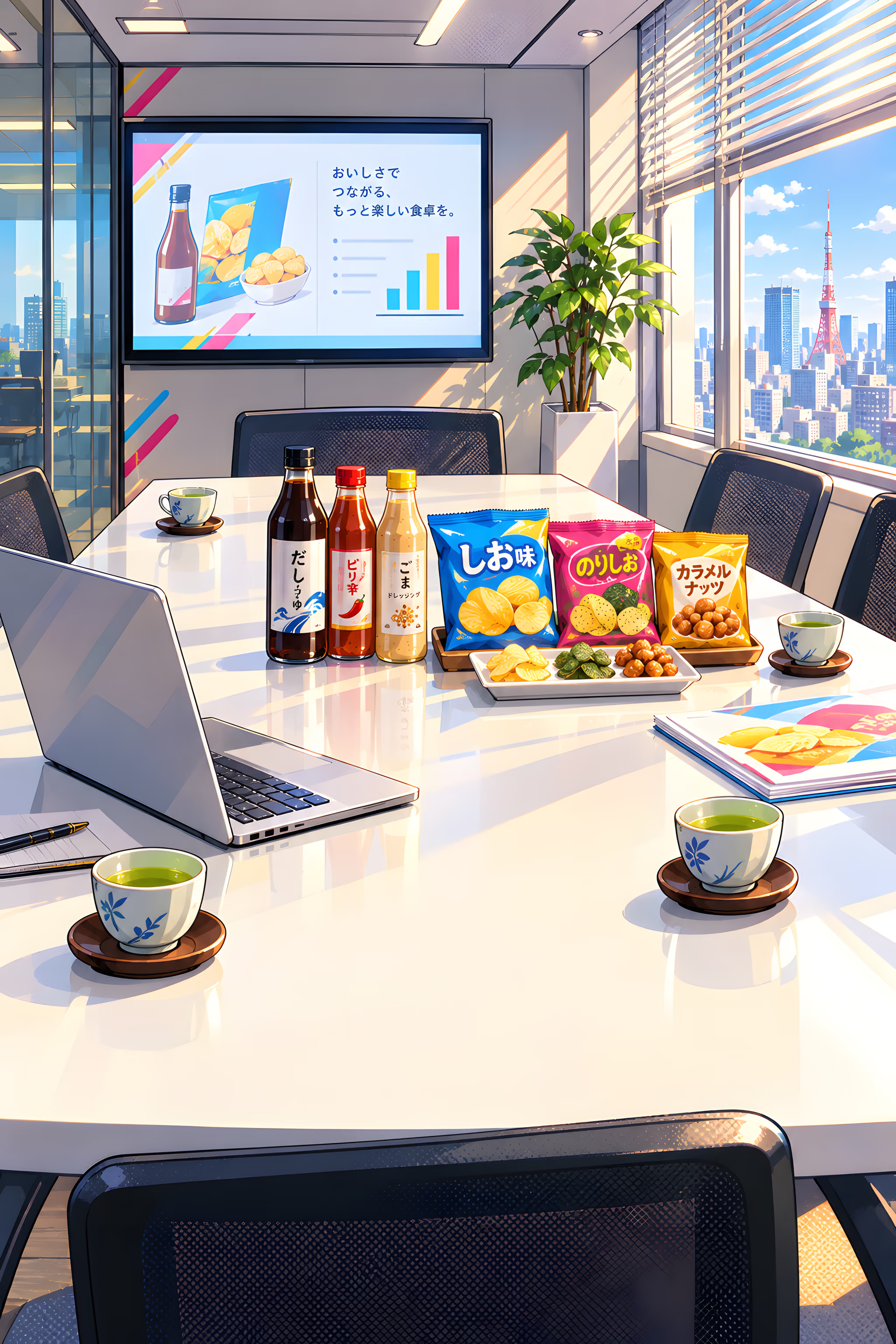
- A sales meeting健二(けんじ) · Meeting roomformal
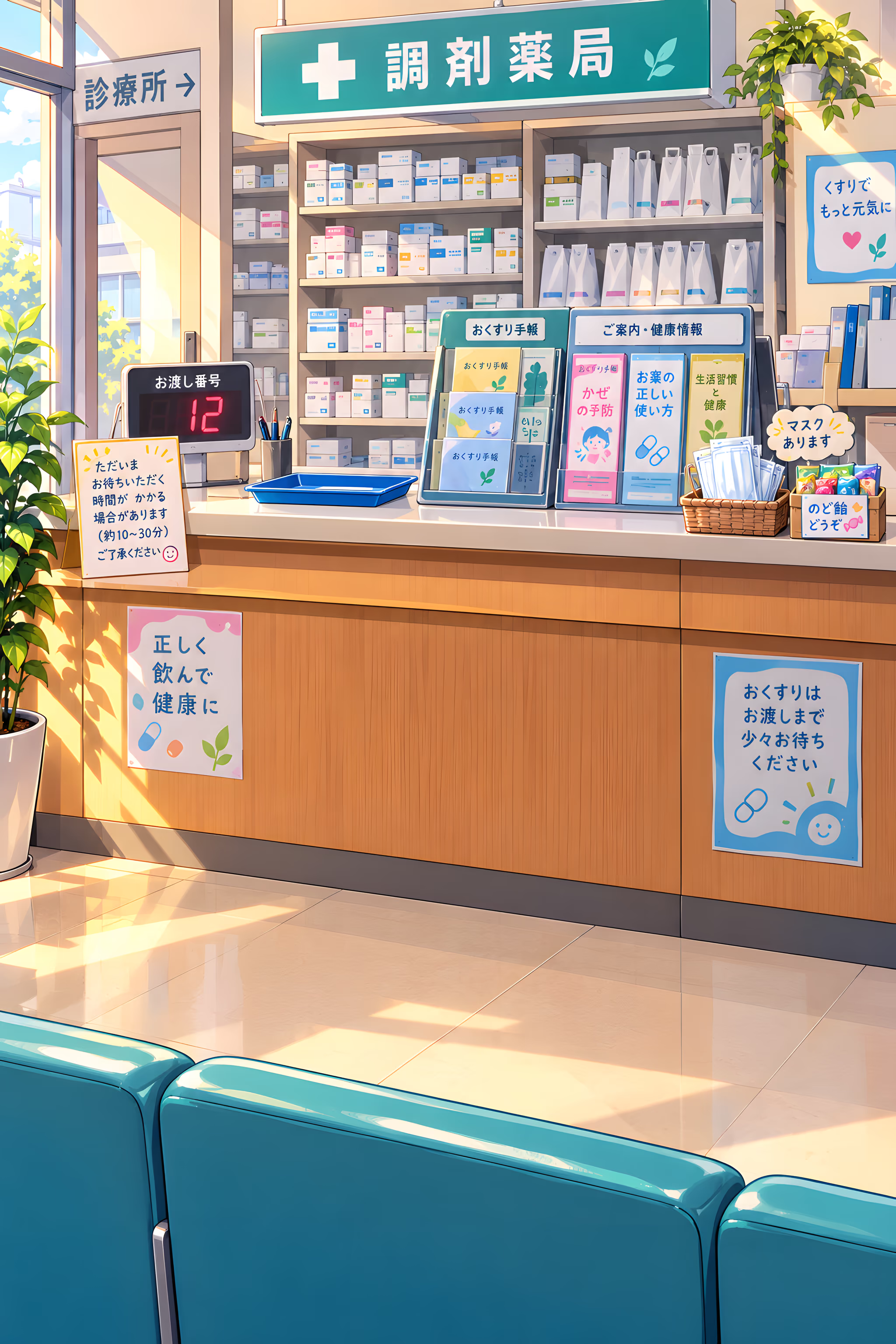
- Picking up a prescription健二(けんじ) · Pharmacypolite
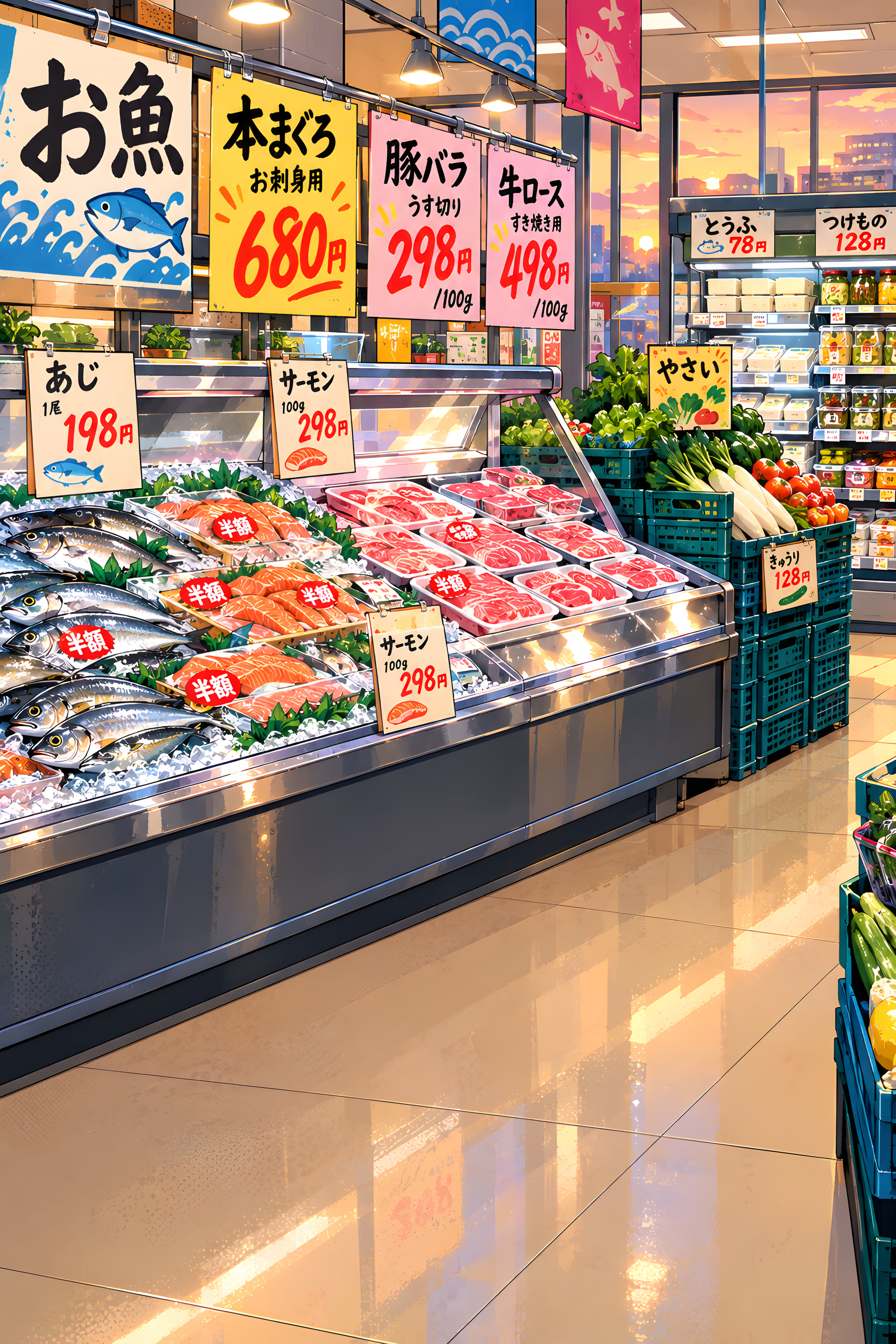
- Bargains at the supermarket健二(けんじ) · Supermarketpolite
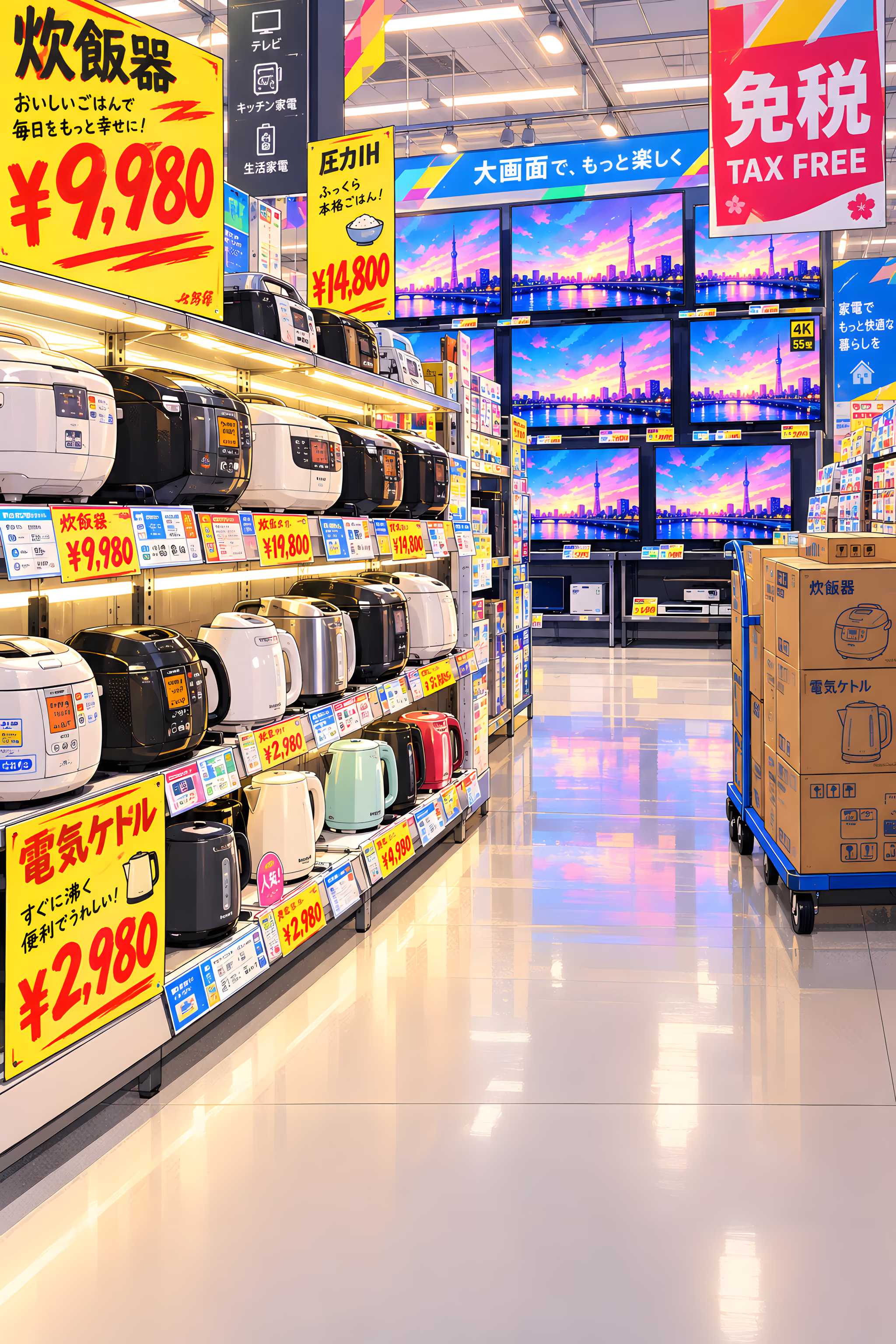
- Buying a rice cooker健二(けんじ) · Electronics storepolite
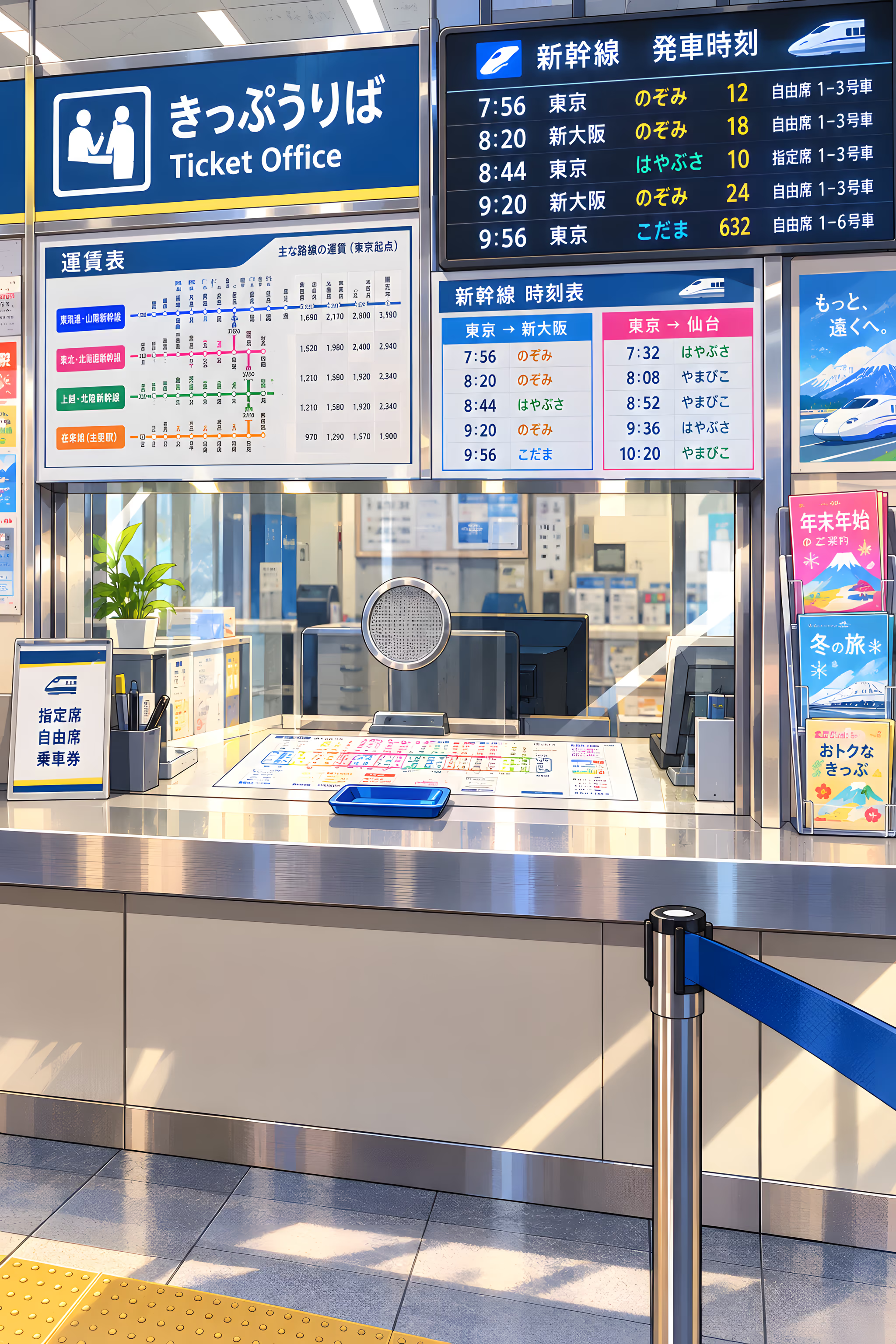
- Booking the bullet train健二(けんじ) · Ticket officepolite
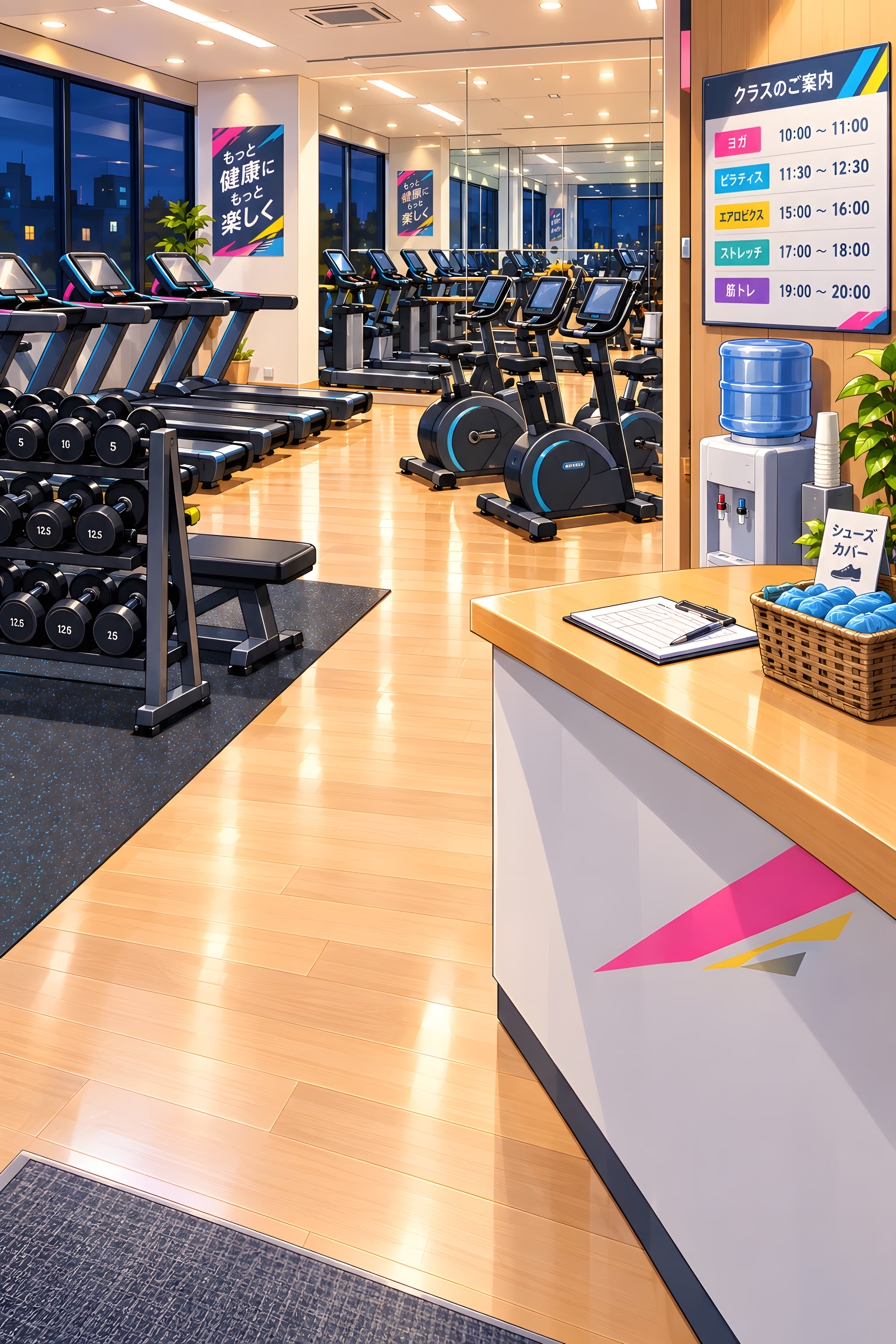
- Signing up at the gym健二(けんじ) · Gympolite
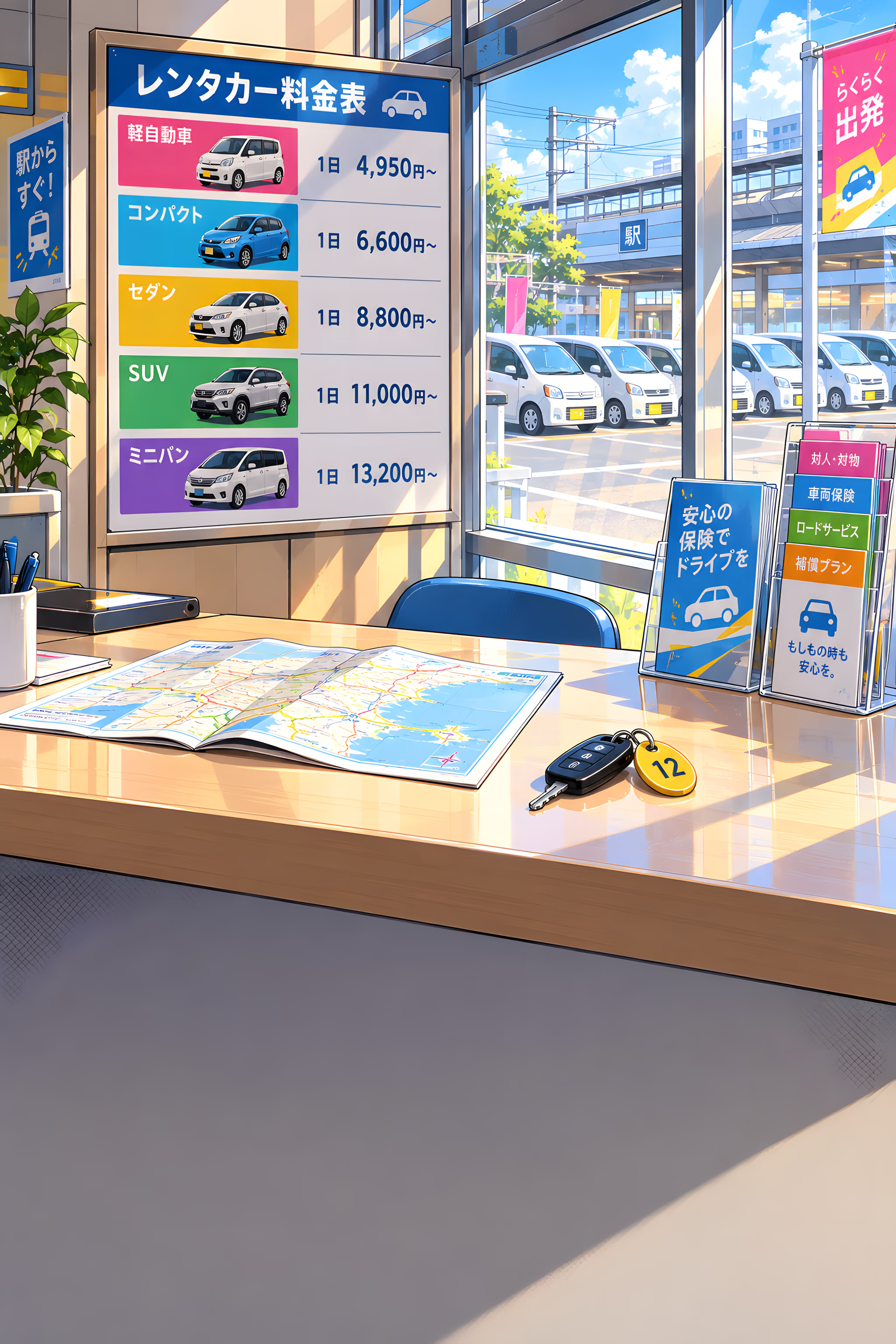
- Picking up the rental car健二(けんじ) · Car rentalpolite
- A night at the ballpark健二(けんじ) · Baseball stadiumpolite

Or see every scene, with all four characters.