Booking the bullet train
Booking a shinkansen ticket in Japanese
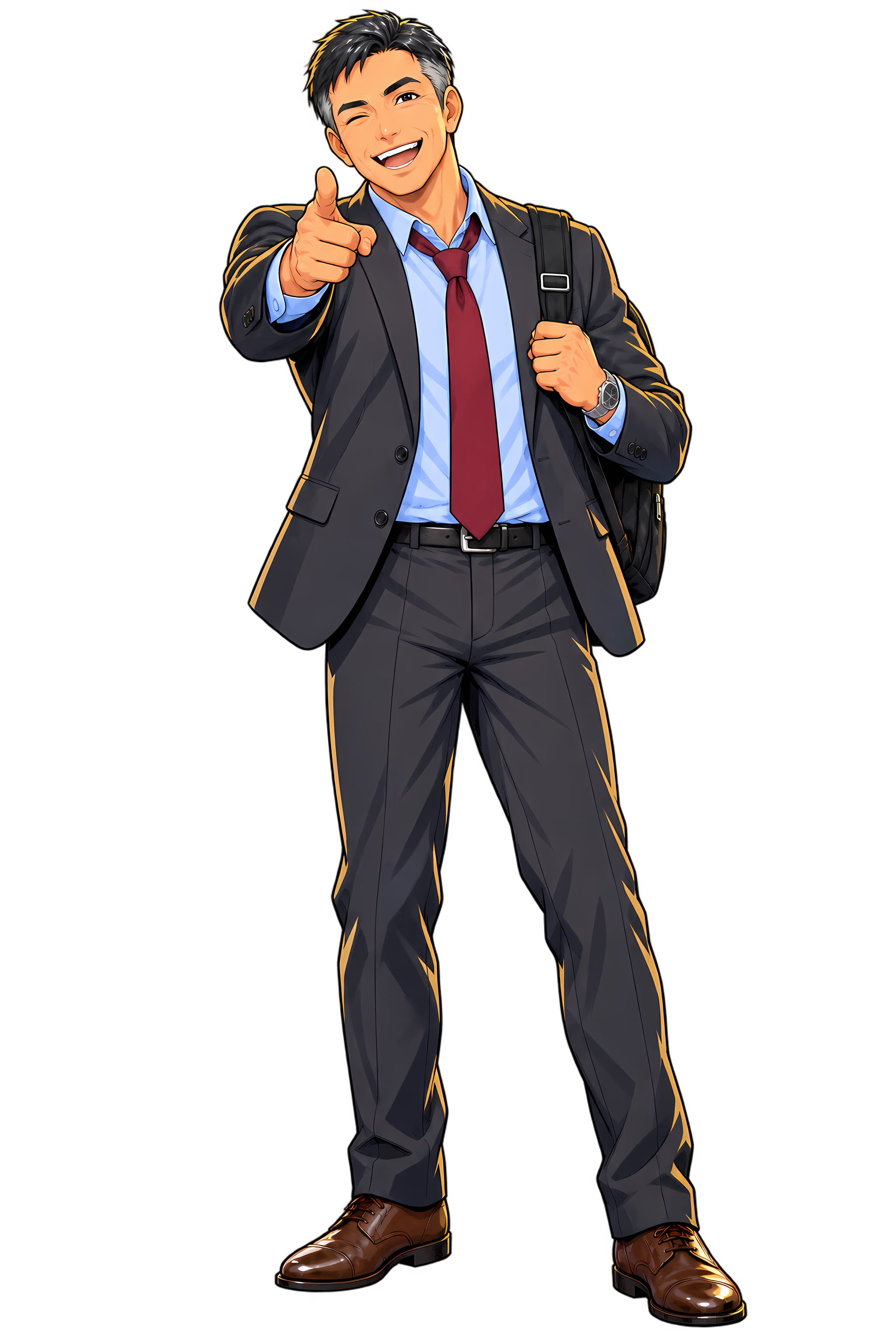
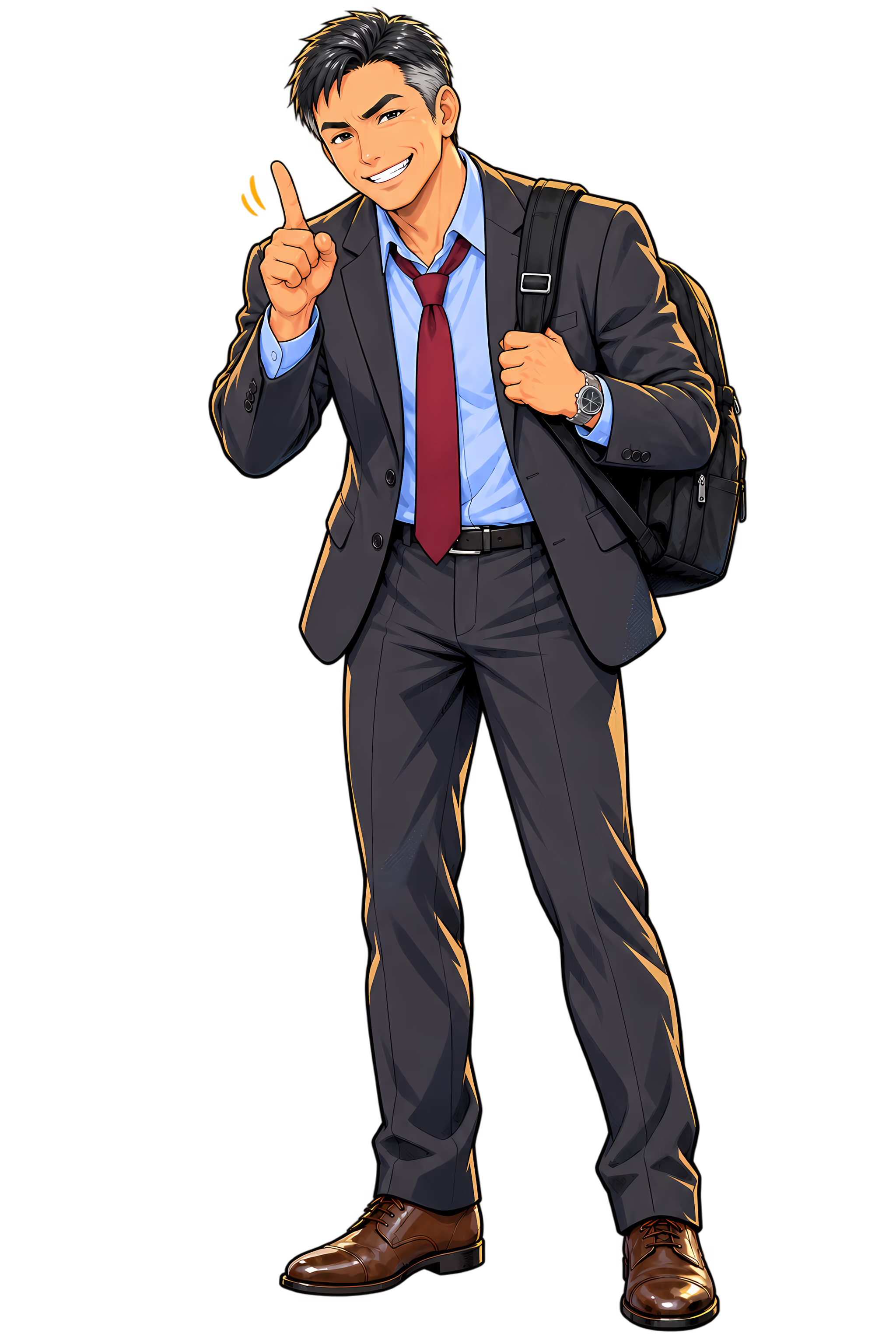
You and Kenji are colleagues, both going down to Osaka on Friday. He books this trip for work most months, and he's at the ticket window with you, the seat map open on the desk. Kenji speaks first, in polite Japanese: です and ます, the way people talk with strangers, neighbors, and coworkers. Here is how it can begin, and the phrases and words worth having ready.
politeWith Kenji, at the ticket office
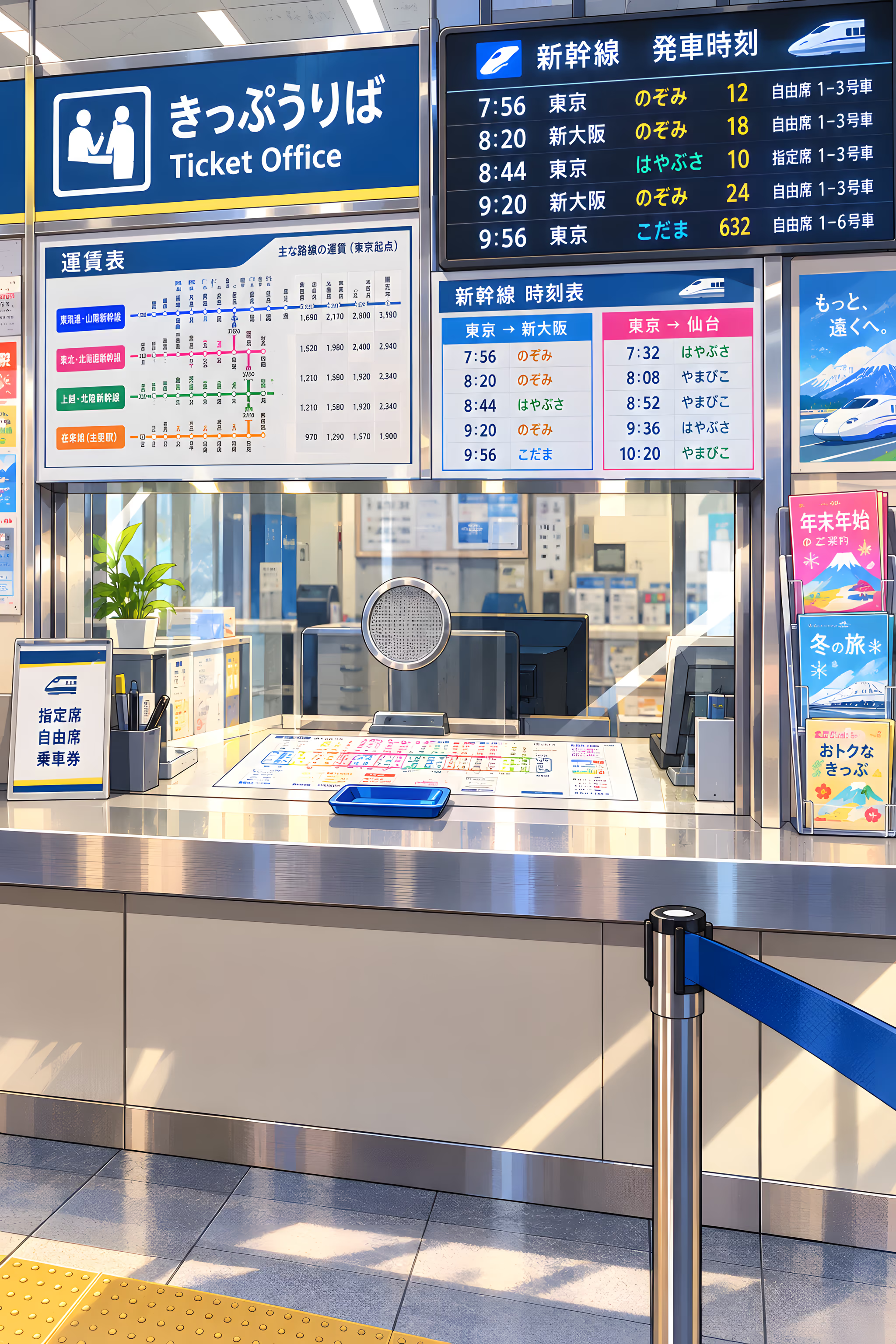
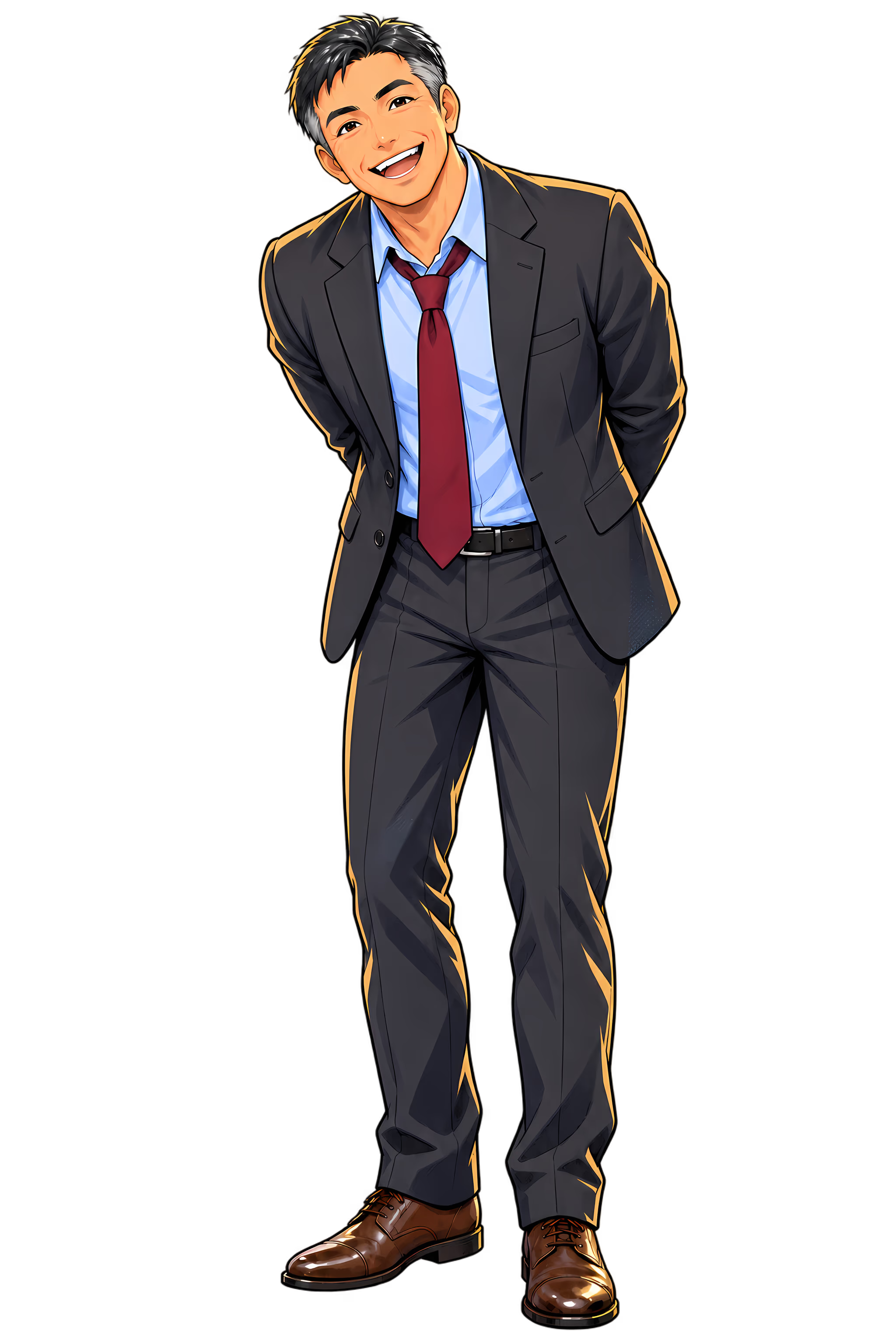
How Kenji opens the conversation
Kenji always speaks first. This is the scene's own opening line, with a reply you could give back at the same level:
窓側と通路側、どちらがいいですか?
Madogawa to tsūrogawa, dochira ga ii desu ka?
Window or aisle — which would you like?
You could say
窓側でお願いします。富士山が見たいです。
Madogawa de onegai shimasu. Fujisan ga mitai desu.
Window, please. I want to see Mount Fuji.
Other ways it can begin
No two conversations go the same way, and the first line changes too. Each of these can open the scene:
窓口、すいてますね。今日はラッキーです。
Madoguchi, suitemasu ne. Kyō wa rakkī desu.
The ticket window's empty, isn't it? We're lucky today.
You could say
本当ですね。よかったです。
Hontō desu ne. Yokatta desu.
It really is. That's a relief.
実は、この予約、毎月しているんですよ。
Jitsu wa, kono yoyaku, maitsuki shite iru n desu yo.
Actually, I make this booking every month.
You could say
毎月ですか。すごいですね。
Maitsuki desu ka. Sugoi desu ne.
Every month? That's impressive.
新幹線、よく乗りますか。
Shinkansen, yoku norimasu ka.
Do you ride the bullet train often?
You could say
いいえ、あまり乗りません。
Iie, amari norimasen.
No, not very often.
三号車がおすすめです。静かですよ。
Sangōsha ga osusume desu. Shizuka desu yo.
I recommend car number three. It's quiet.
You could say
じゃあ、三号車にします。
Jā, sangōsha ni shimasu.
Then I'll go with car three.
席は真剣に選びましょう。新幹線だけに。
Seki wa shinken ni erabimashō. Shinkansen dake ni.
Let's pick our seats seriously — "shinken," like "shinkansen."
You could say
山本さん、うまいですね。
Yamamoto-san, umai desu ne.
Nice one, Yamamoto-san.
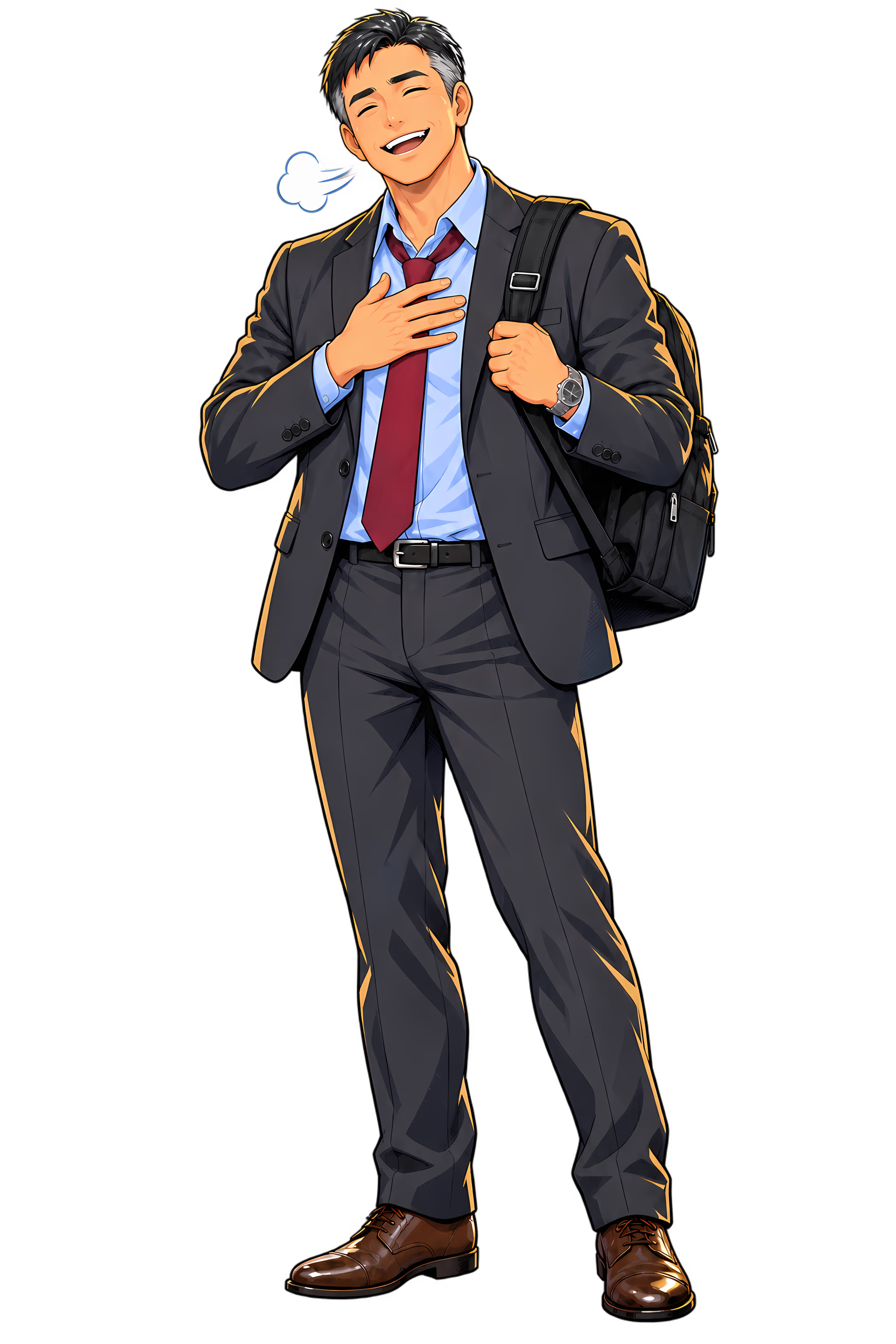
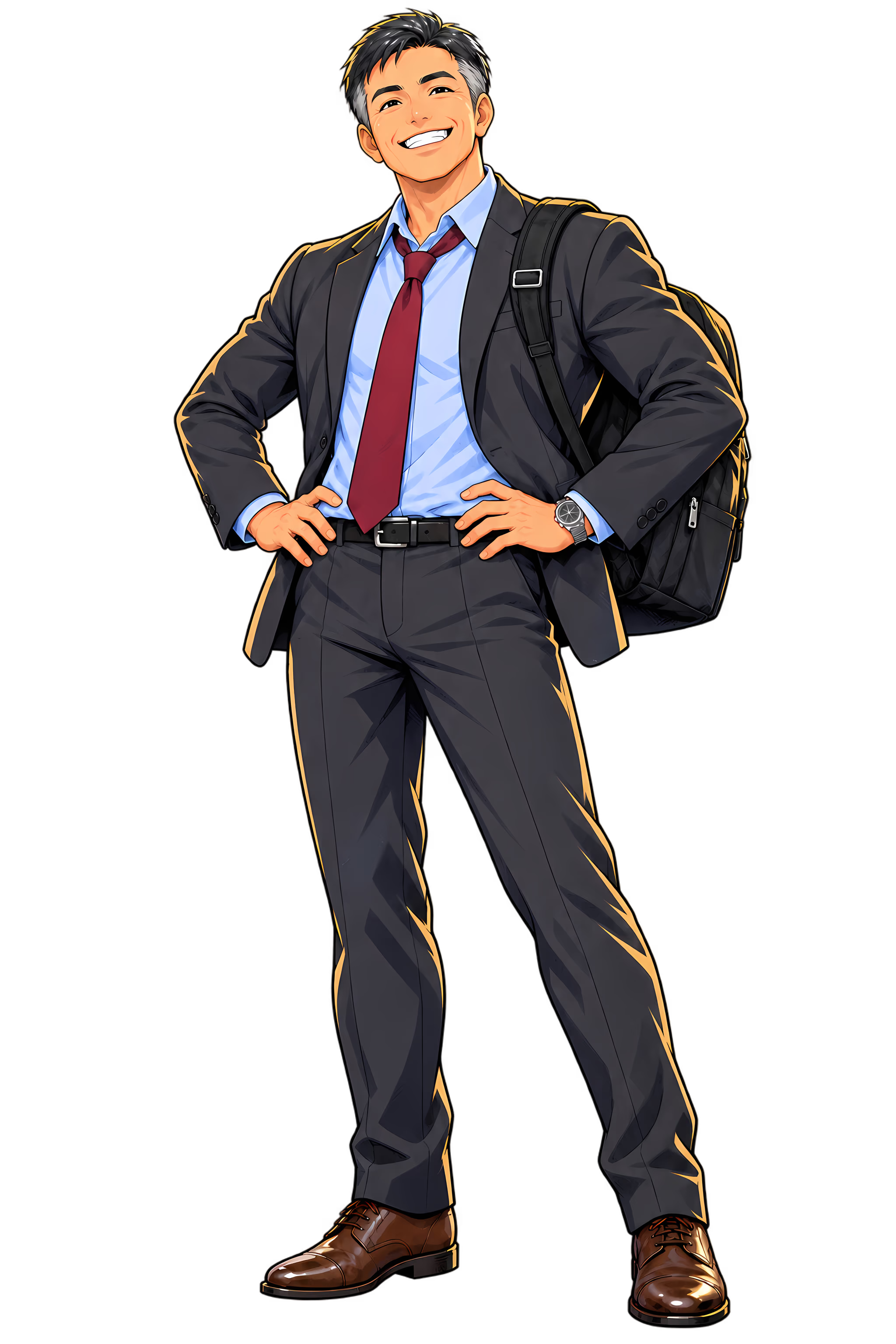
Phrases worth knowing here
Lines for what you do at the ticket office, each with when you'd say it.
- 金曜の朝、大阪まで二枚お願いします。Kin'yō no asa, Ōsaka made nimai onegai shimasu.Two tickets to Osaka, Friday morning, please.Your opening request at the window, once it's your turn.
- 指定席でお願いします。Shiteiseki de onegai shimasu.Reserved seats, please.When the clerk asks reserved or non-reserved.
- 窓側の二席、並びで取れますか。Madogawa no niseki, narabi de toremasu ka.Can we get two window-side seats together?Looking at the seat map with Kenji, asking for seats side by side.
- もう少し早い便はありますか。Mō sukoshi hayai bin wa arimasu ka.Is there a slightly earlier train?When the suggested departure time doesn't work for your meeting.
- 経費なので、領収書をいただけますか。Keihi na node, ryōshūsho o itadakemasu ka.It's a work expense, so could I have a receipt?At payment, since this is a business trip.
Words you'll hear
| Japanese | Romaji | Meaning |
|---|---|---|
| 新幹線 | shinkansen | bullet train |
| 指定席 | shiteiseki | reserved seat |
| 自由席 | jiyūseki | non-reserved seat |
| 窓側 | madogawa | window side |
| 通路側 | tsūrogawa | aisle side |
| 往復 | ōfuku | round trip |
| 片道 | katamichi | one way |
| 特急券 | tokkyūken | express ticket (surcharge) |
| 発車 | hassha | departure (of a train) |
| 領収書 | ryōshūsho | receipt (for expenses) |
How polite to be
polite Here Kenji speaks polite Japanese: です and ます, the way people talk with strangers, neighbors, and coworkers, and the replies suggested to you match the level you'd use back. The guide to keigo explains the three levels, and when each is right.
Try it out loud
In Unsubtitled, Kenji says these lines in their own voice, and answers whatever you say back, typed or dictated, with furigana, romaji, and a translation until you no longer need them.
Start talkingMore scenes with Kenji
- Running into a neighbor健二(けんじ) · Convenience storepolite
- A sales meeting健二(けんじ) · Meeting roomformal
- Yakitori under the tracks健二(けんじ) · Yakitori barcasual
- Picking up a prescription健二(けんじ) · Pharmacypolite
- Bargains at the supermarket健二(けんじ) · Supermarketpolite
- Buying a rice cooker健二(けんじ) · Electronics storepolite
- Signing up at the gym健二(けんじ) · Gympolite
- Picking up the rental car健二(けんじ) · Car rentalpolite
- A night at the ballpark健二(けんじ) · Baseball stadiumpolite
Or see every scene, with all four characters.