Names in Japanese
Japanese honorifics
Japanese honorifics are the endings added to a person's name: さん (-san) for almost anyone, 様 (-sama) for customers and clients, くん (-kun) for boys and juniors, and ちゃん (-chan) for children and people close to you. Teachers and doctors are 先生 (sensei) instead. You never put one on your own name.
The endings, and who gets each
An ending says how you stand with someone: how well you know them, and whether they are older, senior, or someone you serve. When in doubt, use さん.
| Ending | Who it's for |
|---|---|
| さん -san | The default, for almost anyone: coworkers, neighbors, shop staff, and people you have just met. It goes on family names and given names, for men and women alike.田中さん Tanaka-san |
| 様 -sama | Customers, clients, and guests: anyone being served. It is also the ending on every name on an envelope and in a business email.お客様 okyaku-sama |
| くん -kun | Boys, and men younger or junior to you. Teachers use it for students, and some managers for junior staff, women included.健太くん Kenta-kun |
| ちゃん -chan | Children, close friends, family, and pets: warm and familiar. Mostly for girls and small children; on an adult you barely know, it sounds childish.美咲ちゃん Misaki-chan |
| 先生 -sensei | Teachers, doctors, lawyers, and authors, after the family name or on its own, in place of さん.田中先生 Tanaka-sensei |
| 先輩 -senpai | Someone ahead of you at school or at work, after their name or on its own. Mostly heard among students and young coworkers.佐藤先輩 Satō-senpai |
| 殿 -dono | Certificates, official notices, and some formal letters. You will read it now and then, but hardly ever hear it.山田殿 Yamada-dono |
-san: the safe default
さん is polite without being stiff, and it fits nearly everyone you will meet: a coworker, a neighbor, a friend of a friend. It goes on more than names, too. Jobs and shops take it, which makes them sound friendly: お医者さん for a doctor, パン屋さん for a bakery, おまわりさん for a police officer. The cast say it all the time:
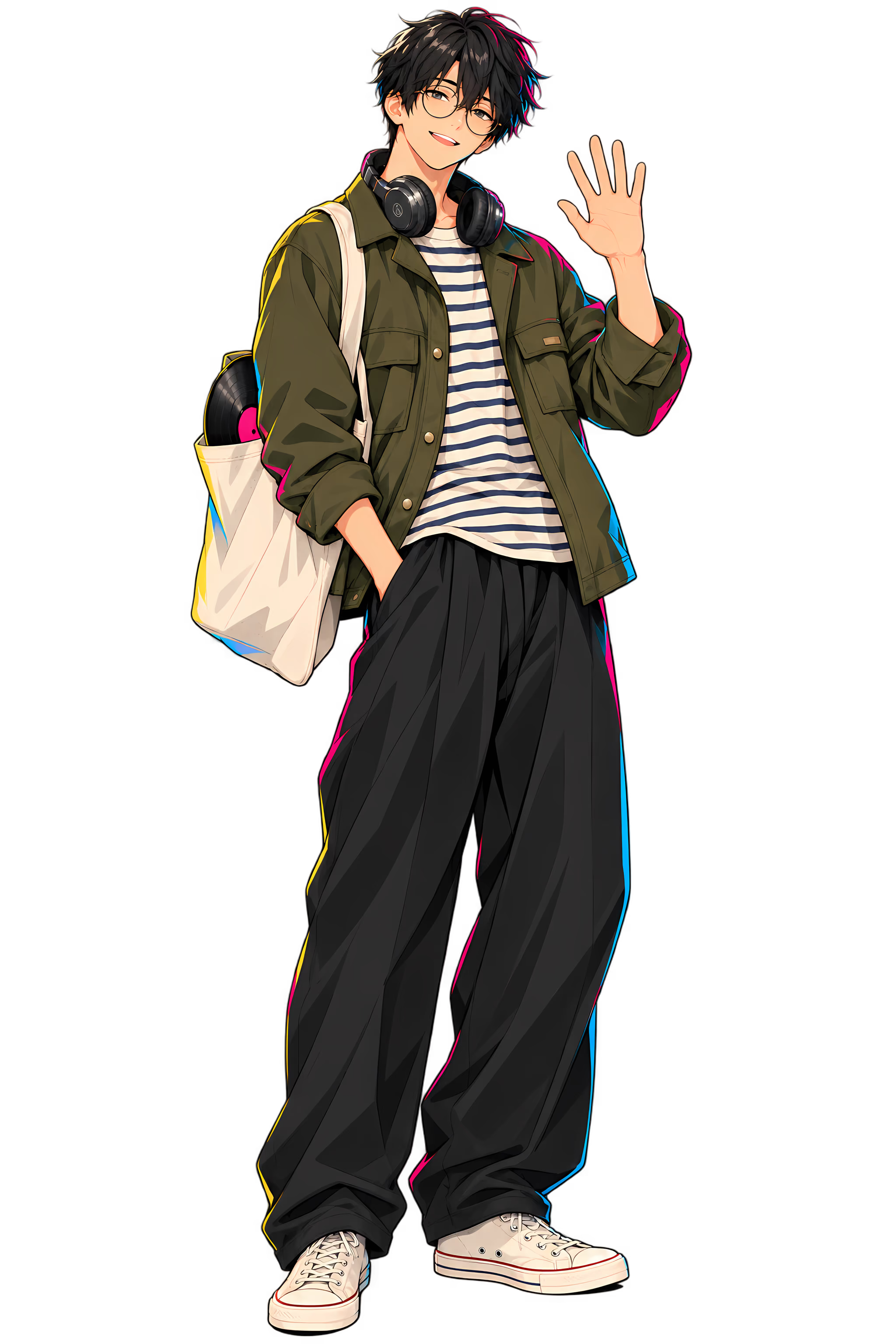
Mei, opening asking for a haircut
ここの店長さん、すごく上手なんだよ。
Koko no tenchō-san, sugoku jōzu nan da yo.
The manager here is really good, you know.
Ren, opening something left on the train
おまわりさん、今電話中みたいだね。
Omawari-san, ima denwa-chū mitai da ne.
Looks like the officer's on the phone right now.
Yoko, opening a trip to the dentist
歯医者さんは平気ですか?私は少し苦手です。
Haisha-san wa heiki desu ka? Watashi wa sukoshi nigate desu.
Are you okay with dentists? I'm a little scared of them.
To Yoko, in a hot spring getaway
お土産屋さんは何時まで開いていますか。
Omiyageya-san wa nanji made aite imasu ka.
How late are the souvenir shops open?
Handy when deciding whether to shop before or after dinner.

-sama: for customers and clients
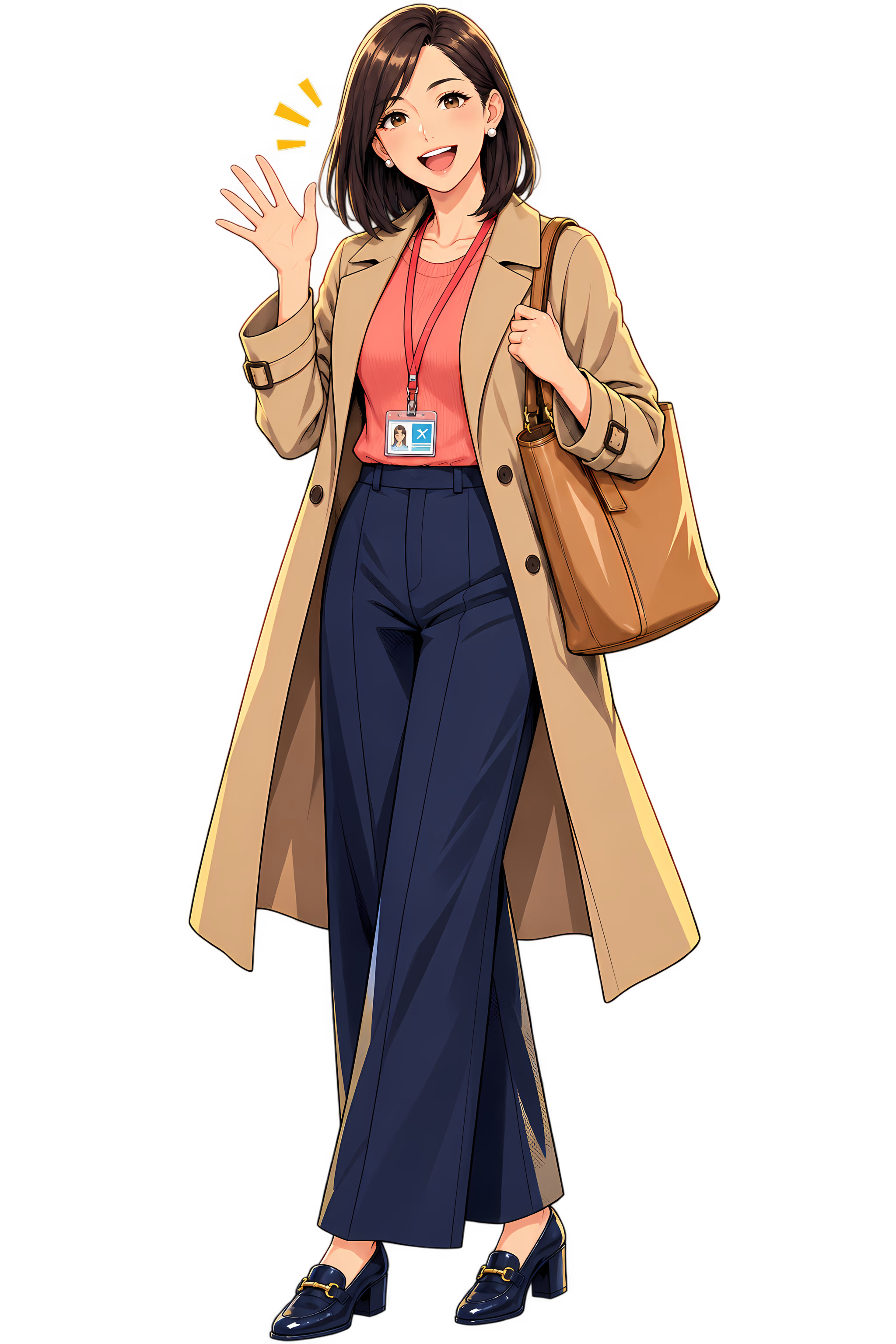
様 is the formal one. A shop, a hotel, or an airline speaks to you as お客様, “honored customer”, and every letter, parcel, and business email is addressed to a name with 様. Between people talking, it sounds like a service counter, so keep it for writing and for anyone you are serving. Yoko, at work, uses it with you:
Yoko, opening planning a trip
お客様、ご旅行は何日ぐらいをお考えですか?
Okyakusama, goryokō wa nannichi gurai o okangae desu ka?
About how many days are you thinking of traveling?
Yoko, opening a hot spring getaway
お客様は、どちらからいらっしゃいましたか。
Okyakusama wa, dochira kara irasshaimashita ka.
And where have you come from, if I may ask?
-kun and -chan: for people close to you
くん and ちゃん are for people you are close to, or who are younger than you. くん goes on boys' names, on younger men, and at some offices on junior staff of either gender, said by someone senior. ちゃん is warmer still: for small children, close friends, family, and pets, and often on a girl's or a woman's name among friends. Both sound wrong going up: never くん or ちゃん for a boss, a teacher, or someone you have only just met.
Titles instead of names: sensei and senpai
Some people are called by what they are. 先生 is for teachers, doctors, lawyers, and writers, and it replaces さん: 田中先生, or just 先生 to their face. 先輩 is anyone ahead of you at school or work, and 後輩 (kōhai) is the word for someone behind you, though nobody uses it as an ending. Mei talks about two different 先生s:
Mei, opening waiting at the clinic
私も先月ここ来たよ。先生、優しい。
Watashi mo sengetsu koko kita yo. Sensei, yasashii.
I came here last month too. The doctor's nice.
Mei, opening coffee and cake
聞いて!スケッチ、先生にほめられたんだ。
Kiite! Sukecchi, sensei ni homerareta nda.
Listen! My teacher praised my sketch.
When to leave the ending off
- Your own name. An ending honors someone else, so you never add one to yourself. Introduce yourself with your name alone, or, at work, with と申します: 山本と申します.
- Your own side, to outsiders. Speaking to a customer, you drop the ending even from your own boss's name, because to them your company is “us”. The guide to keigo explains this inside and outside.
- Close friends and family. Calling someone by their bare name, 呼び捨て (yobisute), is a sign of real closeness. Between people who aren't close, it sounds rude.
That is why both of these business introductions give the speaker's name plain, after their company's:
Yoko, opening checking in
おはようございます。旅行会社の高橋と申します。
Ohayō gozaimasu. Ryokō-gaisha no Takahashi to mōshimasu.
Good morning. I'm Takahashi, from the travel agency.
Kenji, opening a sales meeting
本日はお時間をいただき、ありがとうございます。さくら食品の山本と申します。
Honjitsu wa ojikan o itadaki, arigatō gozaimasu. Sakura Shokuhin no Yamamoto to mōshimasu.
Thank you for making time for me today. I'm Yamamoto, from Sakura Foods.

Mistakes to avoid
- -san on yourself. 山本さんです about yourself sounds like you are honoring your own name. Say 山本です.
- Two endings at once. 先生 already does the work of さん, so 田中先生さん doubles it. One ending is enough.
- -chan on someone senior. On a manager or a stranger, ちゃん sounds like talking down to them, however kindly meant.
- Dropping the ending too soon. Wait to be asked. Moving to a given name, or to no ending, is the other person's offer to make.
Try it out loud
Endings come naturally once you have said them to someone. In Unsubtitled you can check in with Yoko at the airport, ask Mei about the hair salon's manager, and sit across from Kenji at a sales meeting, out loud, with furigana and a translation until you no longer need them.
Start talkingQuestions about Japanese honorifics
Is -san for men or women?
Both. さん carries no gender, and it goes on family names and given names alike. It is the one ending you can use with almost anyone without thinking twice.
Do Japanese people use honorifics with foreigners?
Usually, yes. Expect your own name with さん after it, often your given name, since it is easier to say. Use さん back, with their family name, until they tell you otherwise.
Should I use a first name or a family name?
The family name, with さん, for anyone you meet at work, in a shop, or for the first time. Given names come with friendship, and with them, often, ちゃん or くん, or no ending at all.
What is the difference between -sama and -san?
様 is the more formal of the two: it is how a business speaks to its customers, お客様, and how every envelope and business email is addressed. In conversation between people, さん is the respectful default, and 様 would sound stiff.
For the rest of Japanese politeness, the guide to keigo explains the levels, and the support page answers questions about the app.