A stain before a meeting
Japanese at the dry cleaner's: stains and express service
You and Yoko are colleagues. You spilled coffee down your jacket an hour before a client meeting, and she knows the cleaner's by the office, so she's walked you round at lunchtime. Yoko speaks first, in polite Japanese: です and ます, the way people talk with strangers, neighbors, and coworkers. Here is how it can begin, and the phrases and words worth having ready.
politeWith Yoko, at the dry cleaner


How Yoko opens the conversation
Yoko always speaks first. This is the scene's own opening line, with a reply you could give back at the same level:
このシミ、今日中に落ちますかね。
Kono shimi, kyōjū ni ochimasu ka ne.
I wonder if this stain will come out by the end of today.
You could say
今朝コーヒーをこぼしてしまって…
Kesa kōhī o koboshite shimatte…
I spilled coffee on it this morning…
Other ways it can begin
No two conversations go the same way, and the first line changes too. Each of these can open the scene:
ここ、夕方にはできるそうですよ。
Koko, yūgata ni wa dekiru sō desu yo.
They say it'll be ready here by this evening.
You could say
本当ですか。助かります。
Hontō desu ka. Tasukarimasu.
Really? That's a big help.
シャツは大丈夫でしたか。
Shatsu wa daijōbu deshita ka.
Was your shirt okay?
You could say
はい、ジャケットだけです。
Hai, jaketto dake desu.
Yes, it's just the jacket.
店員さんに聞いてみましょうか。
Ten'in-san ni kiite mimashō ka.
Shall we try asking the shop staff?
You could say
はい、お願いします。
Hai, onegai shimasu.
Yes, please do.
実は私も、よくこぼすんです。
Jitsu wa watashi mo, yoku kobosu n desu.
Actually, I spill things all the time too.
You could say
そうなんですか。安心しました。
Sō nan desu ka. Anshin shimashita.
Is that so? That makes me feel better.
会議は二時からでしたよね。
Kaigi wa niji kara deshita yo ne.
The meeting starts at two, right?
You could say
はい、二時からです。
Hai, niji kara desu.
Yes, it starts at two.




Phrases worth knowing here
Lines for what you do at the dry cleaner, each with when you'd say it.
- コーヒーをこぼしてしまって。Kōhī o koboshite shimatte.I spilled coffee on it.Say this at the counter when handing over the jacket, to explain the stain.
- このシミ、落ちますか。Kono shimi, ochimasu ka.Will this stain come out?Ask while pointing at the spot, before they take the item.
- 特急でお願いできますか。Tokkyū de onegai dekimasu ka.Could you do express service?When you need it back fast and are willing to pay extra.
- 三時までに間に合いますか。Sanji made ni ma ni aimasu ka.Will it be ready in time for three o'clock?Use when you have a deadline like a client meeting; swap in any time.
- 何時に取りに来ればいいですか。Nanji ni tori ni kureba ii desu ka.What time should I come pick it up?Ask as you finish up, before taking your claim ticket.
Words you'll hear
| Japanese | Romaji | Meaning |
|---|---|---|
| 染み | shimi | stain, spot |
| 染み抜き | shiminuki | stain removal |
| 上着 | uwagi | jacket |
| 急ぎ | isogi | rush, in a hurry |
| 特急 | tokkyū | express (same-day) service |
| 仕上がり | shiagari | finished work, ready time |
| 預かり証 | azukarishō | claim ticket |
| こぼす | kobosu | to spill |
| 落ちる | ochiru | to come out (of a stain) |
| 打ち合わせ | uchiawase | meeting (with a client) |
How polite to be
polite Here Yoko speaks polite Japanese: です and ます, the way people talk with strangers, neighbors, and coworkers, and the replies suggested to you match the level you'd use back. The guide to keigo explains the three levels, and when each is right.
Try it out loud
In Unsubtitled, Yoko says these lines in their own voice, and answers whatever you say back, typed or dictated, with furigana, romaji, and a translation until you no longer need them.
Start talkingMore scenes with Yoko
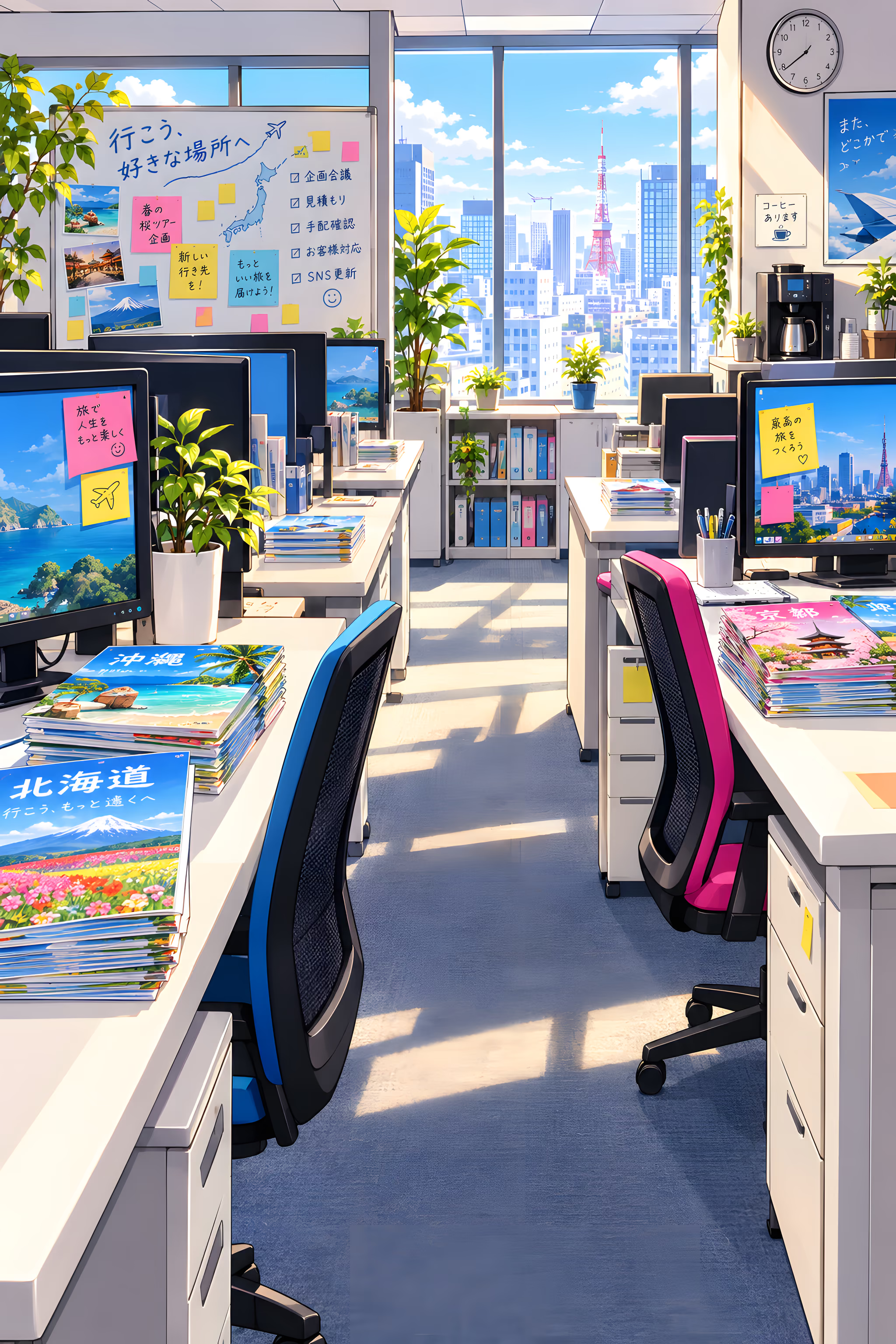
- First day at the office陽子(ようこ) · Officepolite
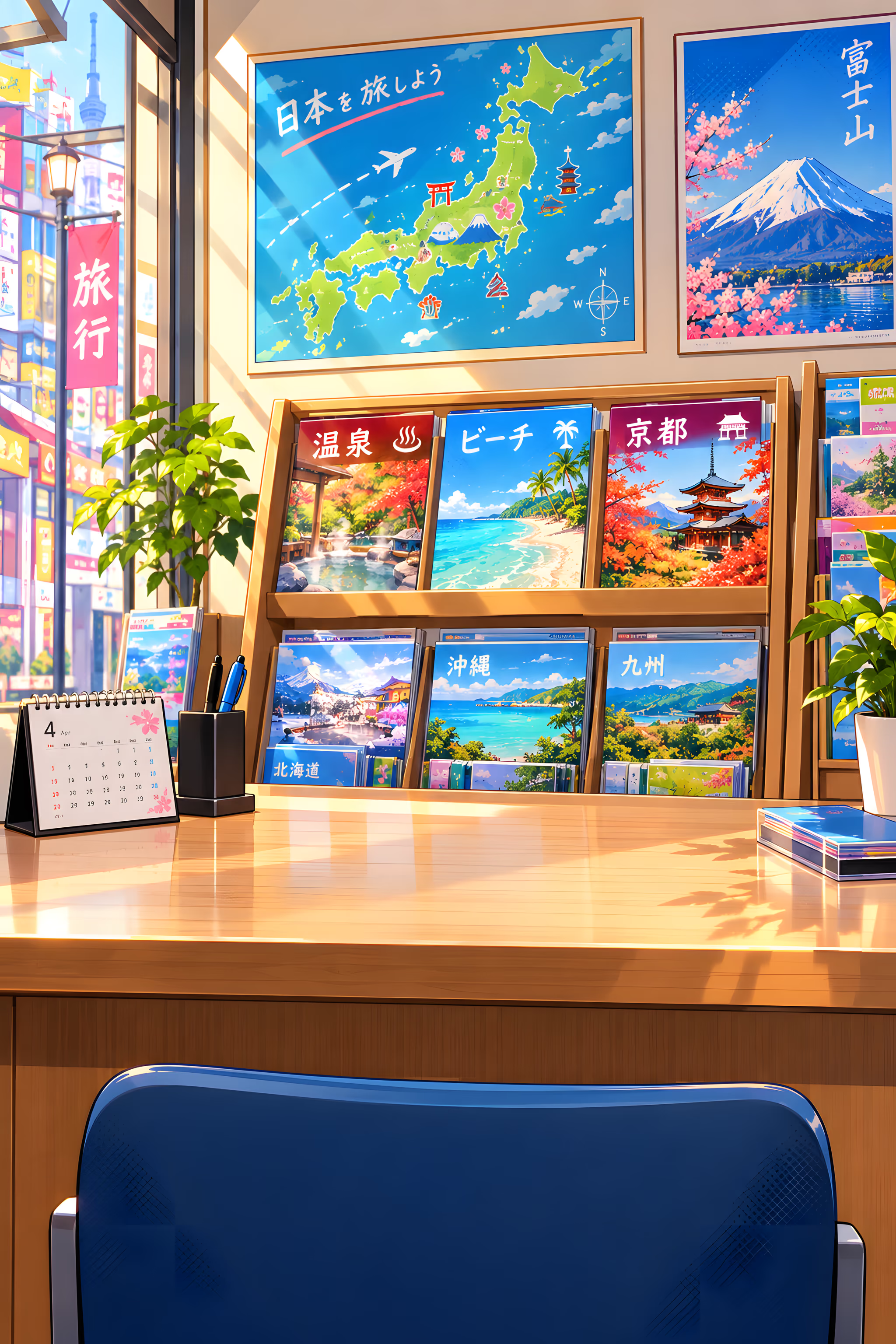
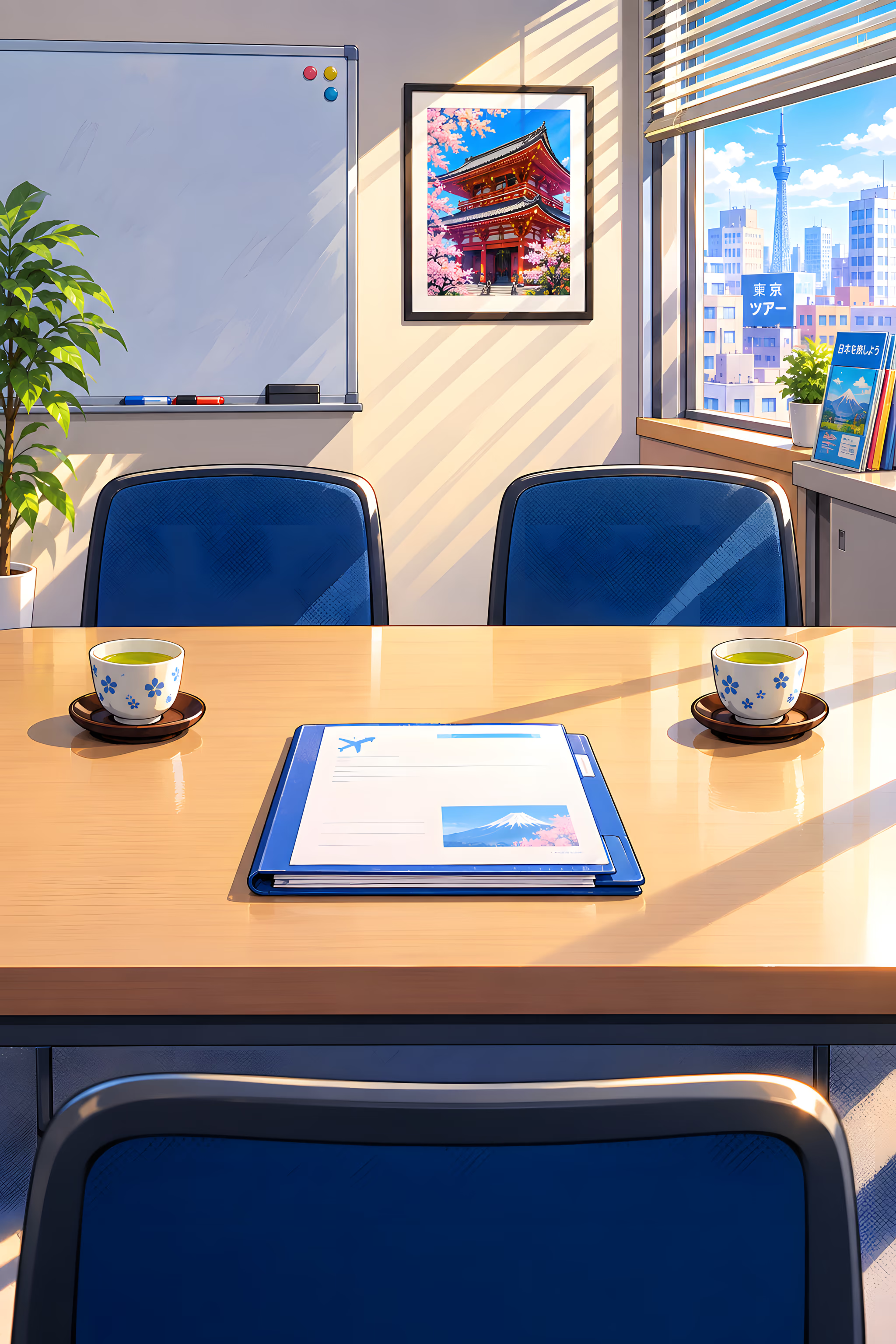
- Planning a trip陽子(ようこ) · Travel agencyformal
- Celebrating a finished project陽子(ようこ) · Izakayacasual
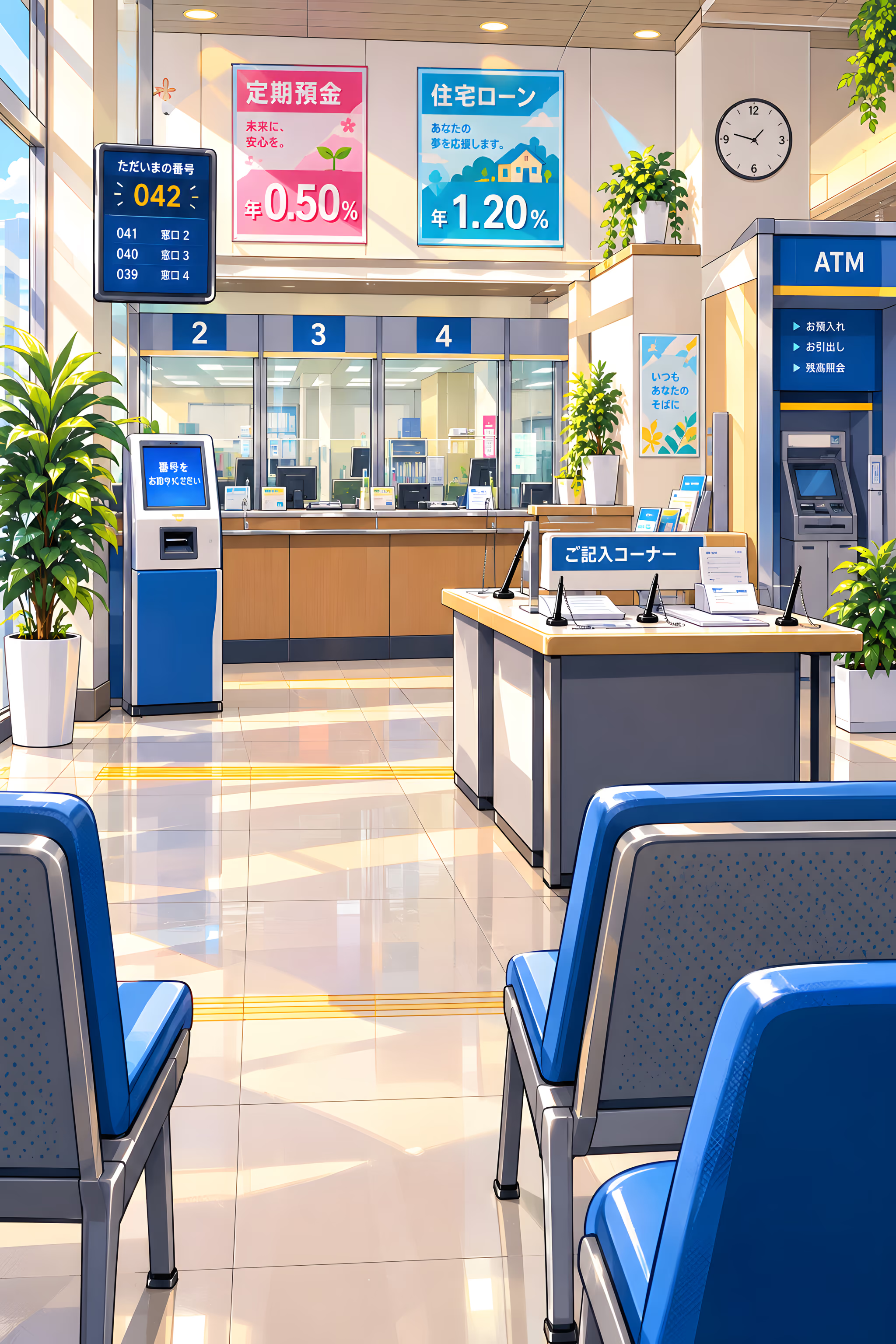
- Opening an account陽子(ようこ) · Bankpolite
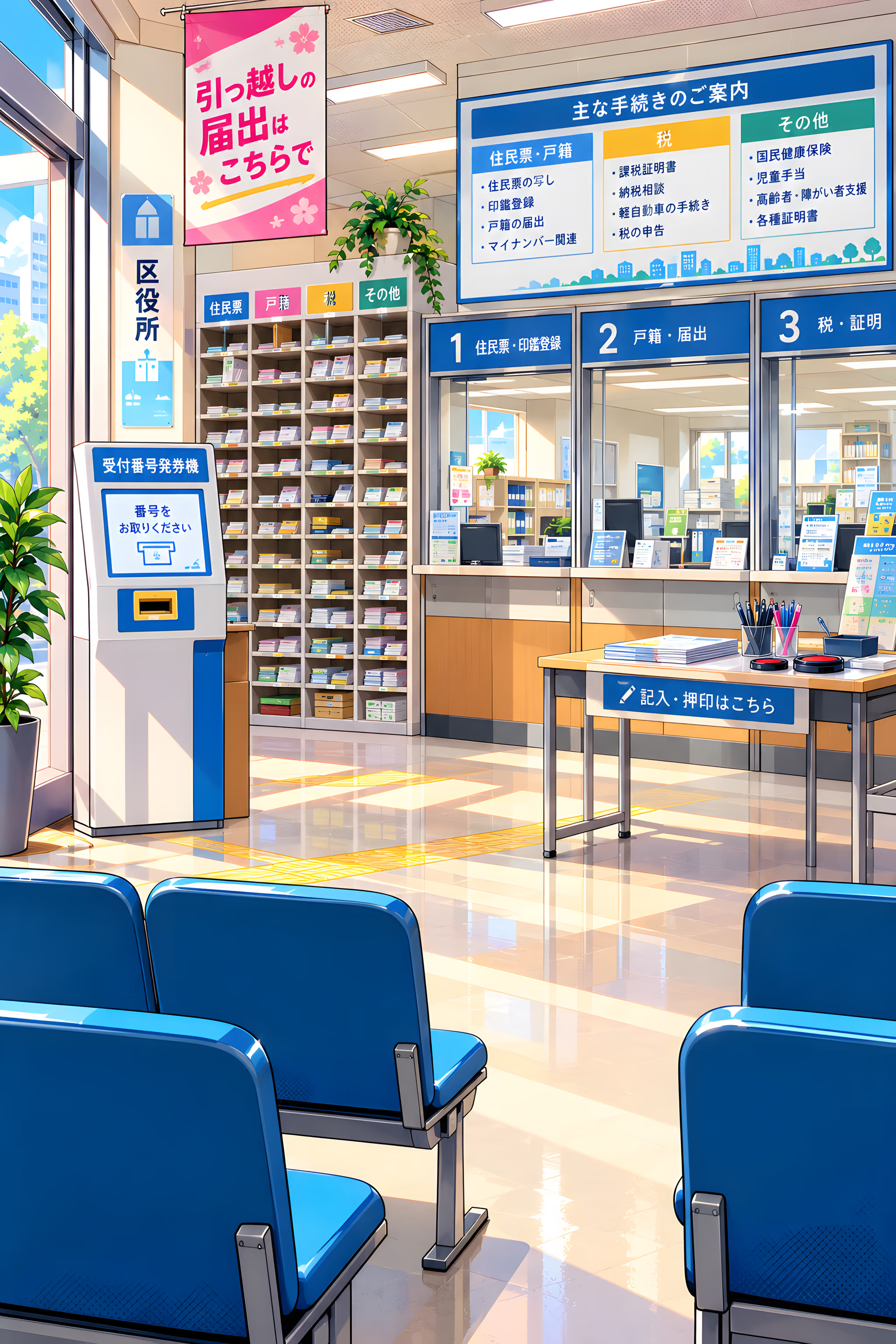
- Registering where you live陽子(ようこ) · Ward officepolite
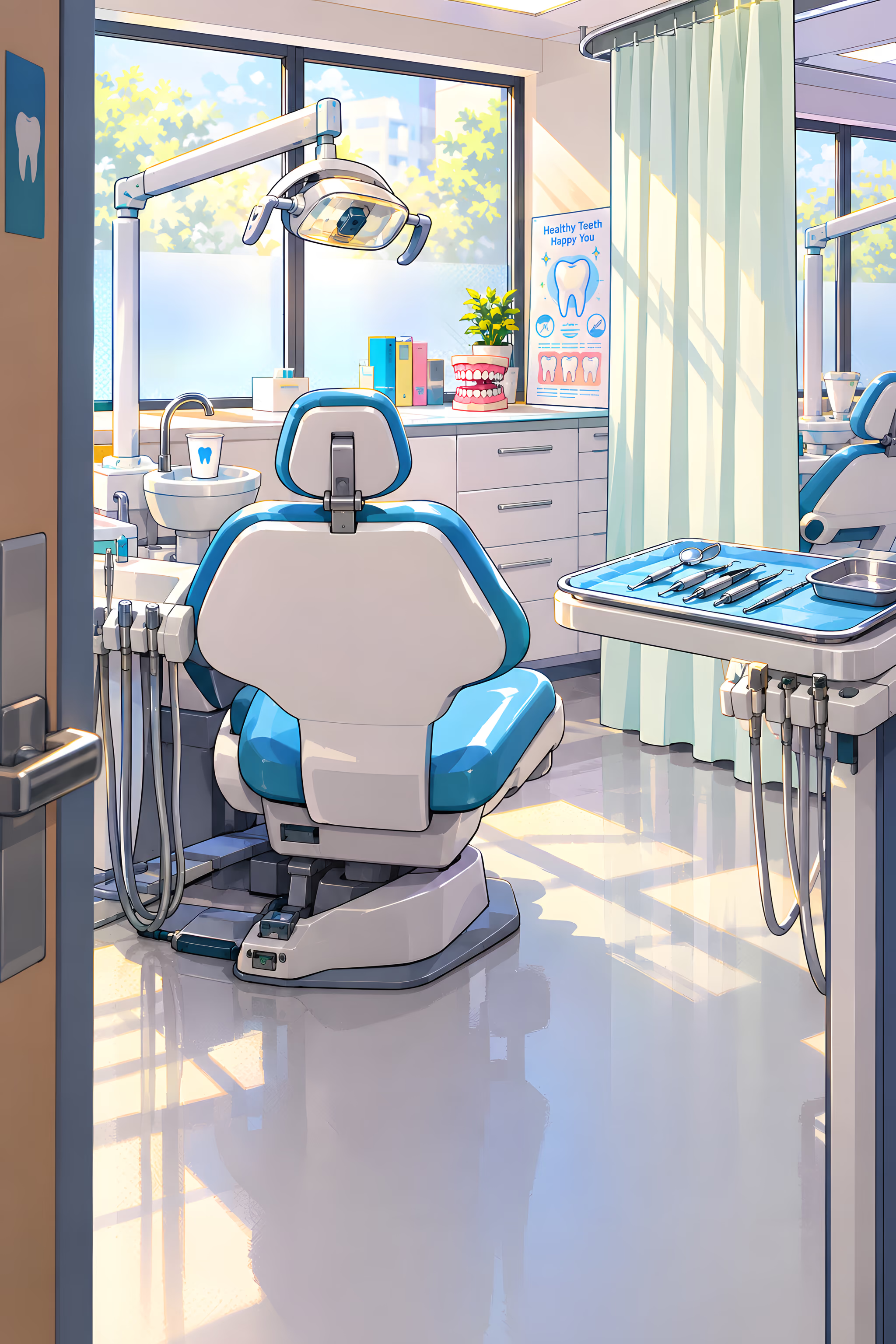
- A trip to the dentist陽子(ようこ) · Dental clinicpolite
- Checking in陽子(ようこ) · Airportformal
- A job interview陽子(ようこ) · Interview roomformal
- A hot spring getaway陽子(ようこ) · Hot spring townformal




Or see every scene, with all four characters.