A job interview
Japanese for a job interview: keigo phrases
You've applied for a job at the travel agency where Yoko works, and she's the one interviewing you. You've never met, and she's just sat down with your application in front of her. Yoko speaks first, in keigo: the respectful and humble forms staff use with customers, and everyone uses with clients and superiors. Here is how it can begin, and the phrases and words worth having ready.
formalWith Yoko, at the interview room

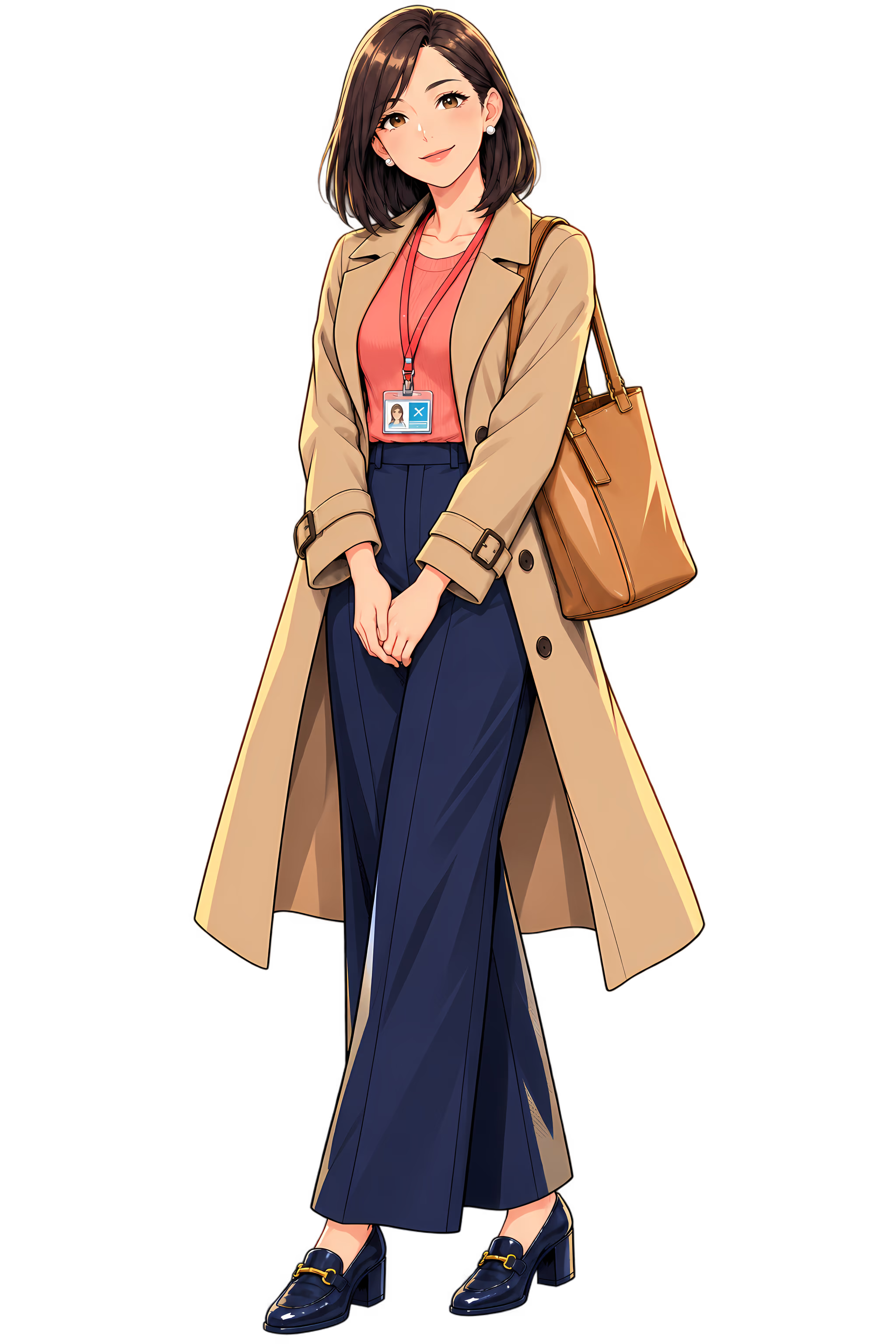
How Yoko opens the conversation
Yoko always speaks first. This is the scene's own opening line, with a reply you could give back at the same level:
では、自己紹介をお願いできますか。
Dewa, jiko shōkai o onegai dekimasu ka.
Now then — could I ask you to introduce yourself?
You could say
はい。旅行が好きで、応募しました。
Hai. Ryokō ga suki de, ōbo shimashita.
Yes. I love travel, so I applied.
Other ways it can begin
No two conversations go the same way, and the first line changes too. Each of these can open the scene:
本日はお越しいただき、ありがとうございます。
Honjitsu wa okoshi itadaki, arigatō gozaimasu.
Thank you very much for coming in today.
You could say
こちらこそ、よろしくお願いいたします。
Kochira koso, yoroshiku onegai itashimasu.
Thank you for having me. I look forward to speaking with you.
どうぞ、おかけください。お荷物はそちらへ。
Dōzo, okake kudasai. Onimotsu wa sochira e.
Please, have a seat. You can put your bag over there.
You could say
ありがとうございます。失礼します。
Arigatō gozaimasu. Shitsurei shimasu.
Thank you. Excuse me, then.
こちらの場所は、すぐに分かりましたか。
Kochira no basho wa, sugu ni wakarimashita ka.
Did you find this place all right?
You could say
はい、駅から近くて助かりました。
Hai, eki kara chikakute tasukarimashita.
Yes, it was close to the station, which helped.
履歴書を拝見しました。字がお上手ですね。
Rirekisho o haiken shimashita. Ji ga ojōzu desu ne.
I've looked at your application. Your handwriting is lovely.
You could say
ありがとうございます。とてもうれしいです。
Arigatō gozaimasu. Totemo ureshii desu.
Thank you very much. That makes me happy.
少し緊張なさっていますか。大丈夫ですよ。
Sukoshi kinchō nasatte imasu ka. Daijōbu desu yo.
Are you a little nervous? It's all right.
You could say
はい、少し。でも、頑張ります。
Hai, sukoshi. Demo, ganbarimasu.
Yes, a little. But I'll do my best.




Phrases worth knowing here
Lines for what you do at the interview room, each with when you'd say it.
- 本日はよろしくお願いいたします。Honjitsu wa yoroshiku onegai itashimasu.Thank you for seeing me today.Say it right after sitting down, before the interview starts.
- 前職では接客を担当しておりました。Zenshoku de wa sekkyaku o tantō shite orimashita.In my previous job I handled customer service.Use when asked about your work history; おりました is the humble form.
- 御社のツアー企画に魅力を感じました。Onsha no tsuā kikaku ni miryoku o kanjimashita.I was drawn to your company's tour planning.A natural answer when Yoko asks your 志望動機.
- 一つ伺ってもよろしいでしょうか。Hitotsu ukagatte mo yoroshii deshō ka.May I ask one question?Use at the end, when she asks if you have questions.
- 来月から勤務可能です。Raigetsu kara kinmu kanō desu.I can start working from next month.Answer for when she asks when you could begin.
Words you'll hear
| Japanese | Romaji | Meaning |
|---|---|---|
| 面接 | mensetsu | job interview |
| 履歴書 | rirekisho | résumé, CV |
| 志望動機 | shibō dōki | reason for applying |
| 御社 | onsha | your company (spoken, polite) |
| 前職 | zenshoku | previous job |
| 接客 | sekkyaku | customer service |
| 経験 | keiken | experience |
| 旅行会社 | ryokō-gaisha | travel agency |
| 長所 | chōsho | strong point, strength |
| 勤務 | kinmu | work, working (hours/days) |
How polite to be
formal Here Yoko speaks keigo: the respectful and humble forms staff use with customers, and everyone uses with clients and superiors, and the replies suggested to you match the level you'd use back. The guide to keigo explains the three levels, and when each is right.
Try it out loud
In Unsubtitled, Yoko says these lines in their own voice, and answers whatever you say back, typed or dictated, with furigana, romaji, and a translation until you no longer need them.
Start talkingMore scenes with Yoko
- First day at the office陽子(ようこ) · Officepolite
- Planning a trip陽子(ようこ) · Travel agencyformal
- Celebrating a finished project陽子(ようこ) · Izakayacasual
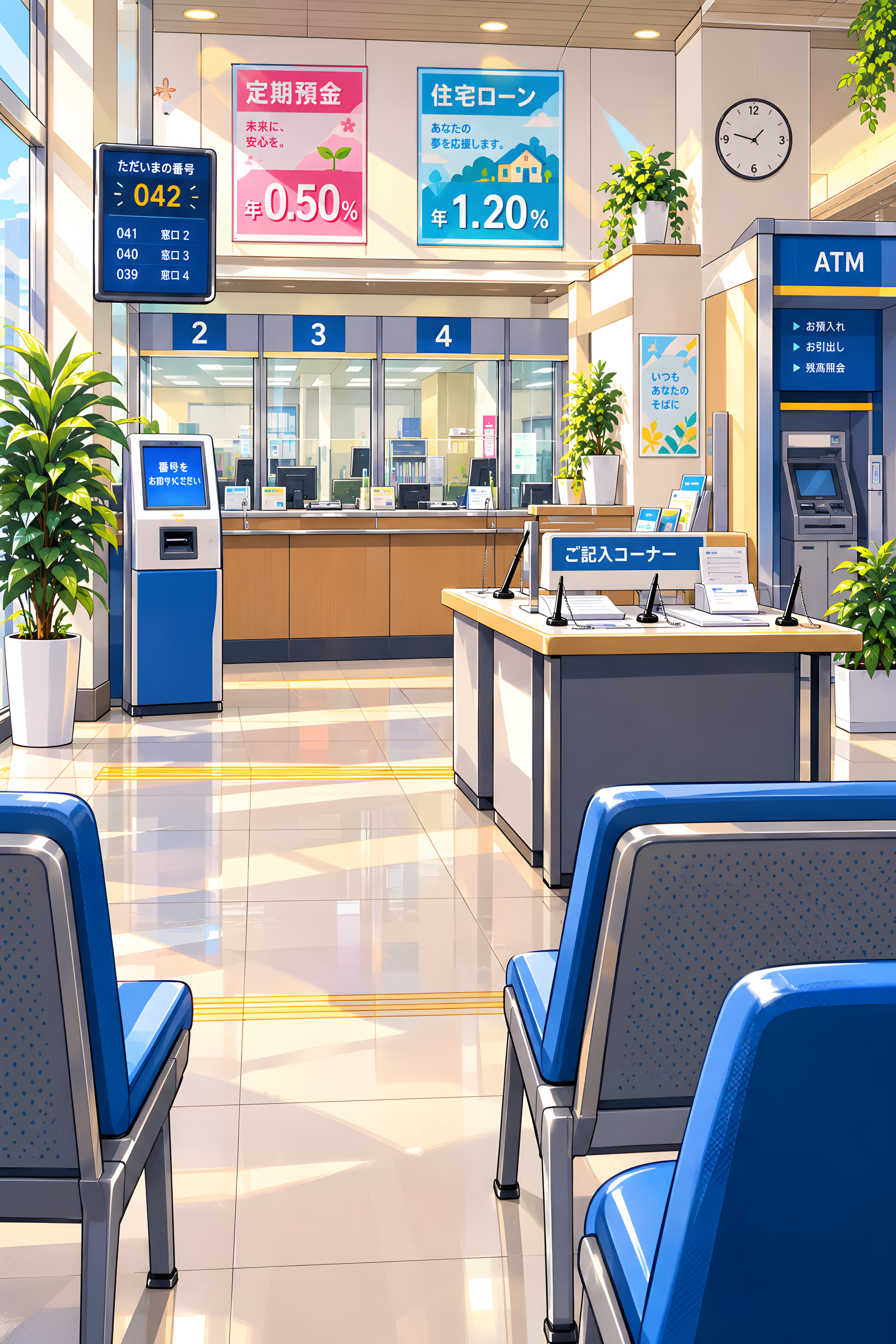
- Opening an account陽子(ようこ) · Bankpolite
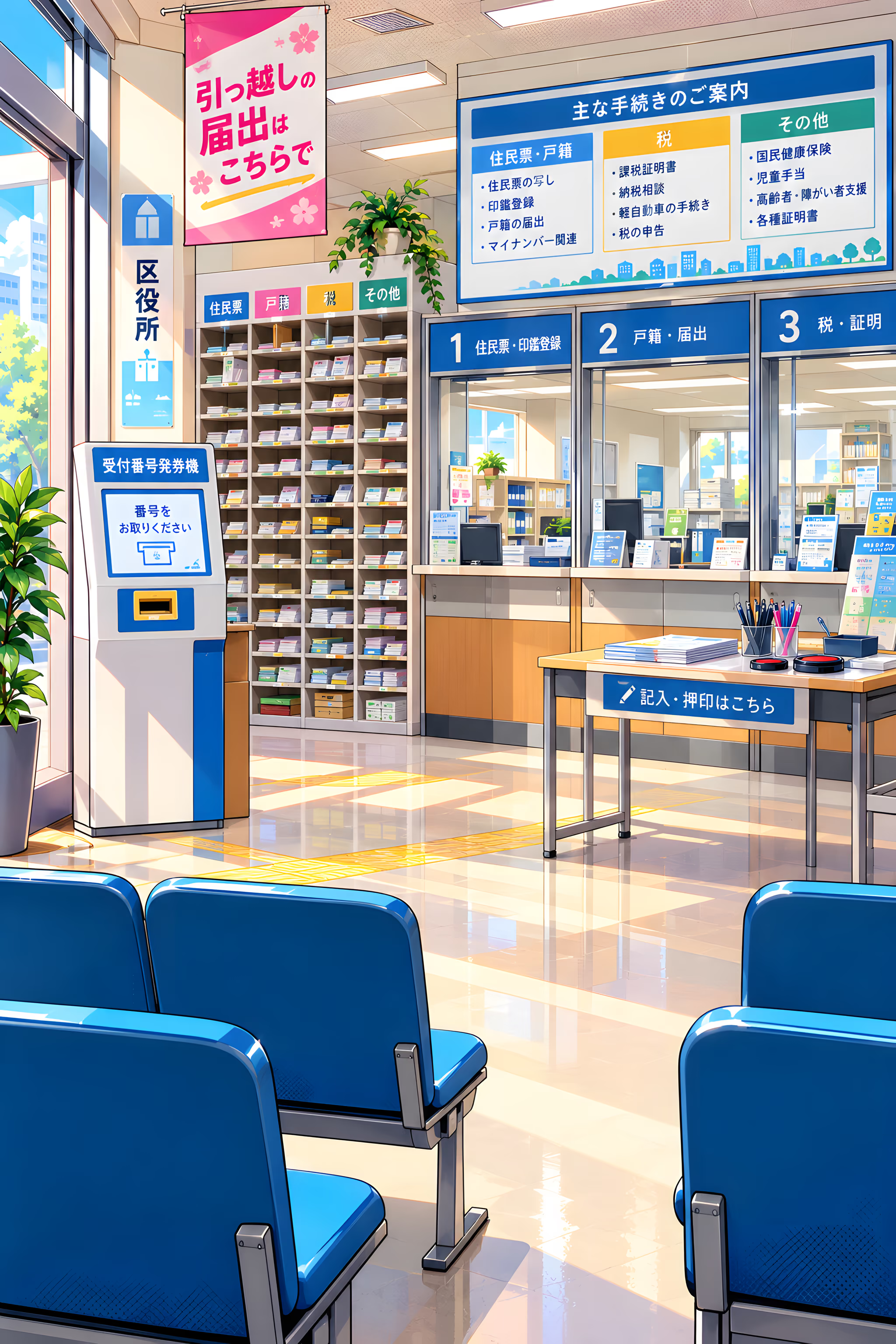
- Registering where you live陽子(ようこ) · Ward officepolite
- A stain before a meeting陽子(ようこ) · Dry cleanerpolite
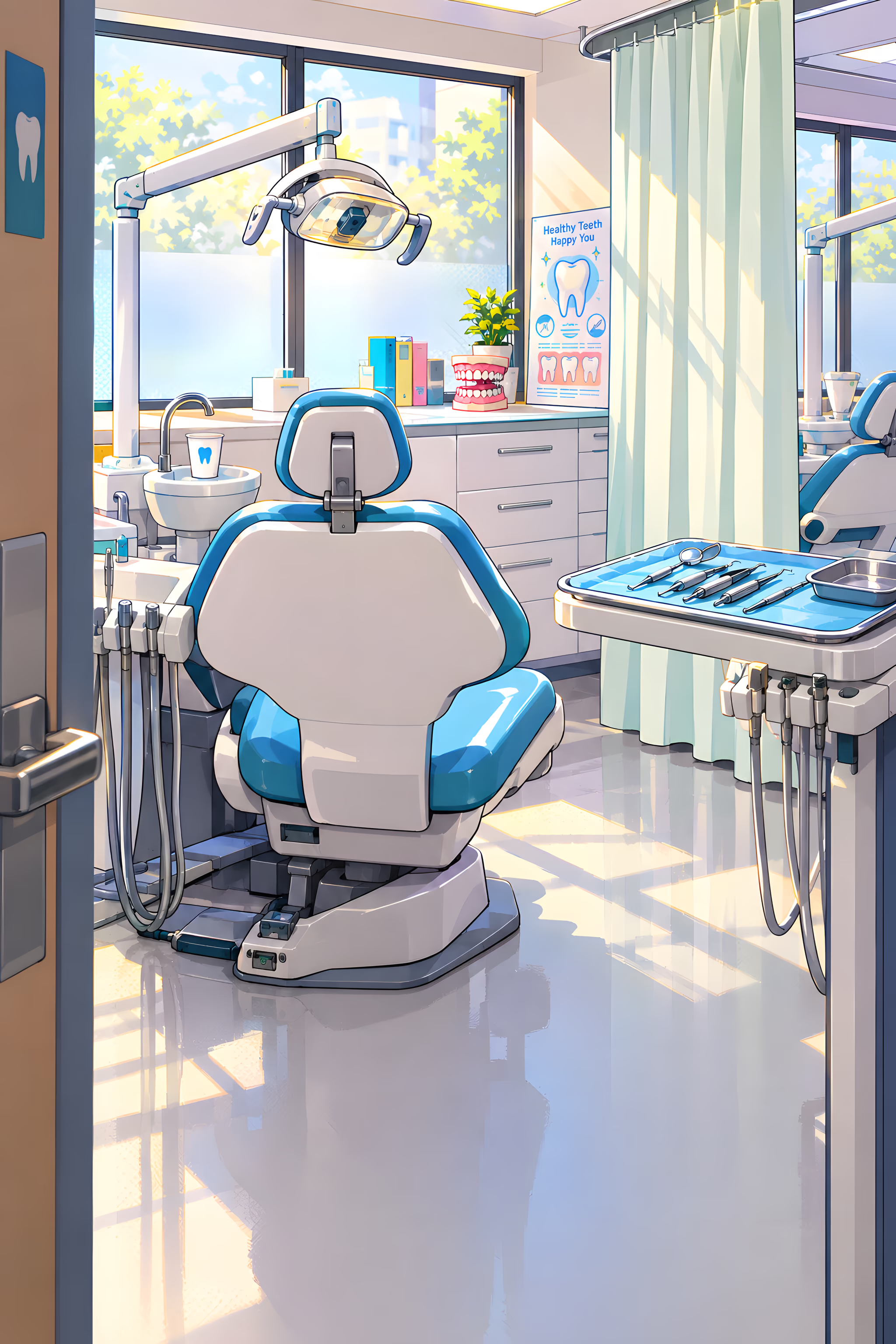
- A trip to the dentist陽子(ようこ) · Dental clinicpolite
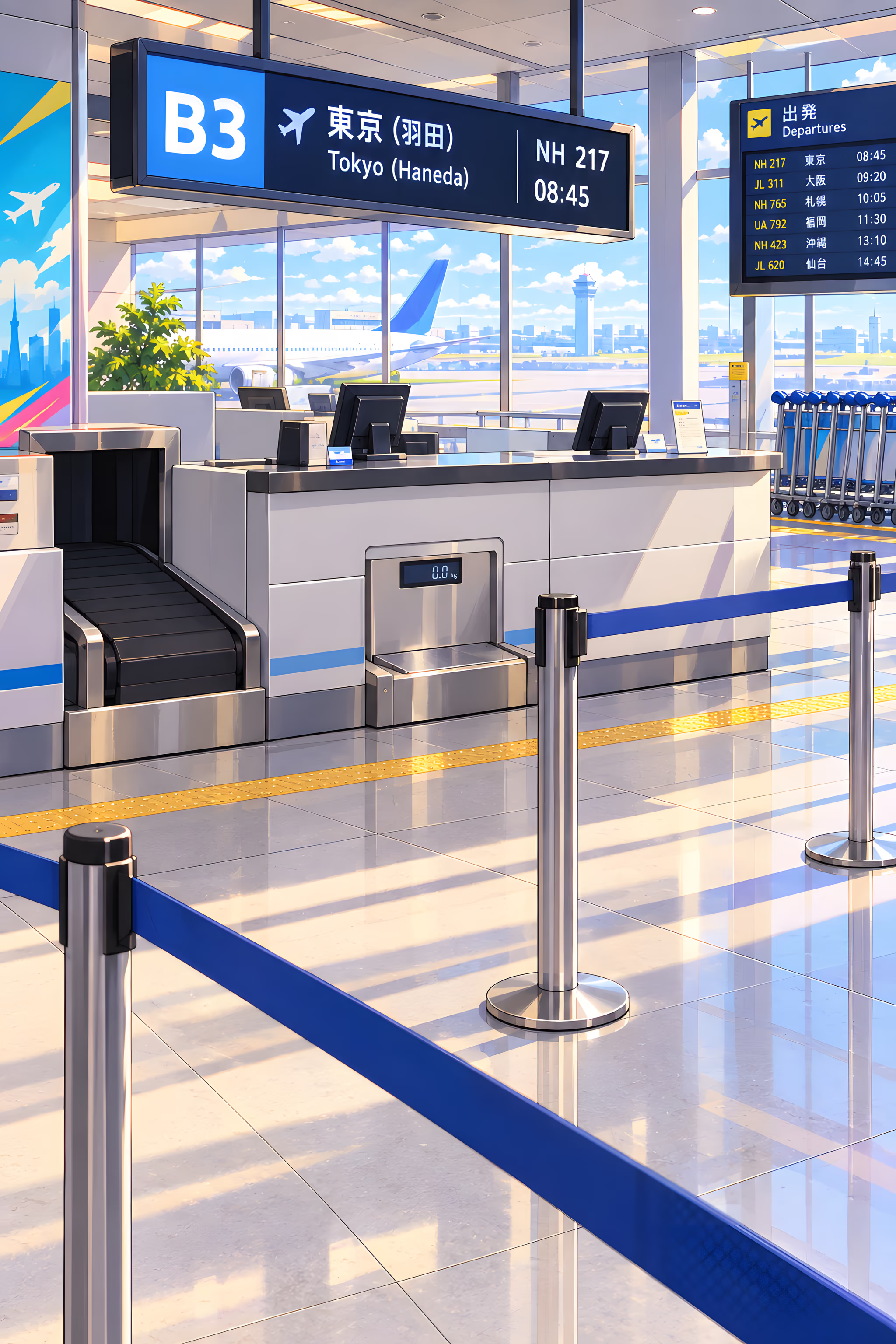
- Checking in陽子(ようこ) · Airportformal
- A hot spring getaway陽子(ようこ) · Hot spring townformal



Or see every scene, with all four characters.